SLO County cities already had policies to clear homeless camps before Newsom’s push
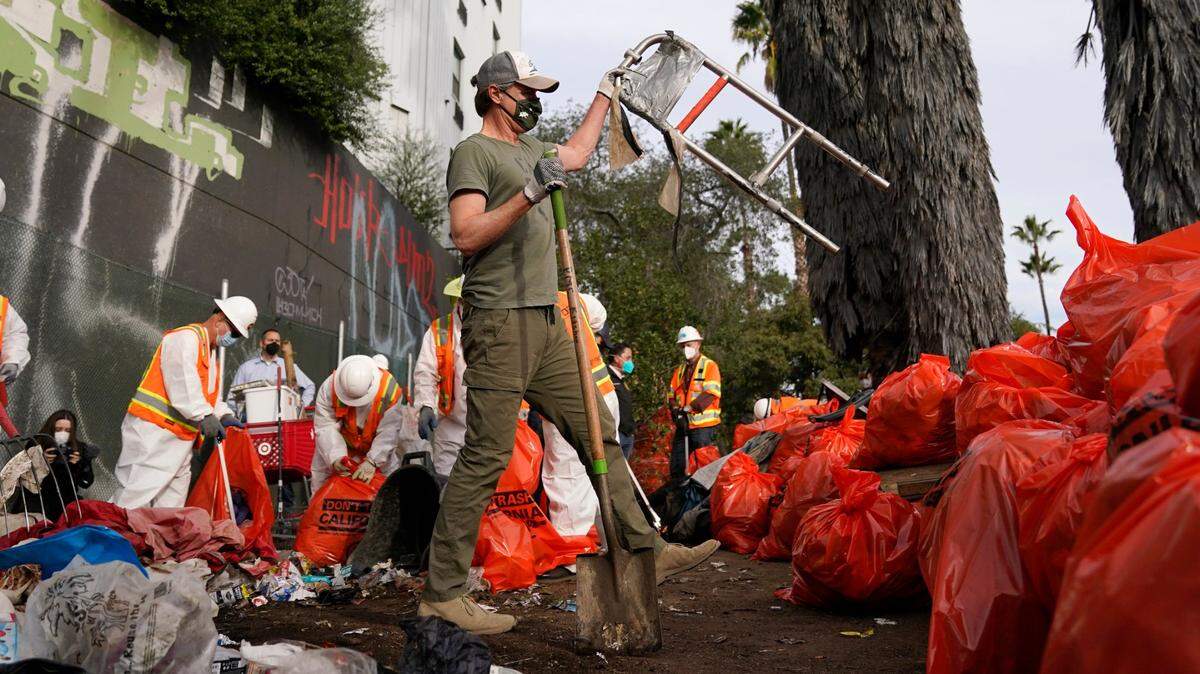
California Gov. Gavin Newsom wants cities and counties across the Golden State to take more action to break up visible homeless encampments — but according to San Luis Obispo County municipalities, he’s asking for changes that have already been made.
On May 12, Newsom released a model ordinance he hopes all cities and counties can adopt to reduce the prevalence of homeless encampments, following up on the governor’s July 2024 executive order to clear encampments with more urgency.
The model — which draws heavily on the Supreme Court’s 2024 Grants Pass v. Johnson ruling — would see municipalities outlaw the construction of encampments on public property, and would require encampment residents to move at least 200 feet from their previous spot every three days.
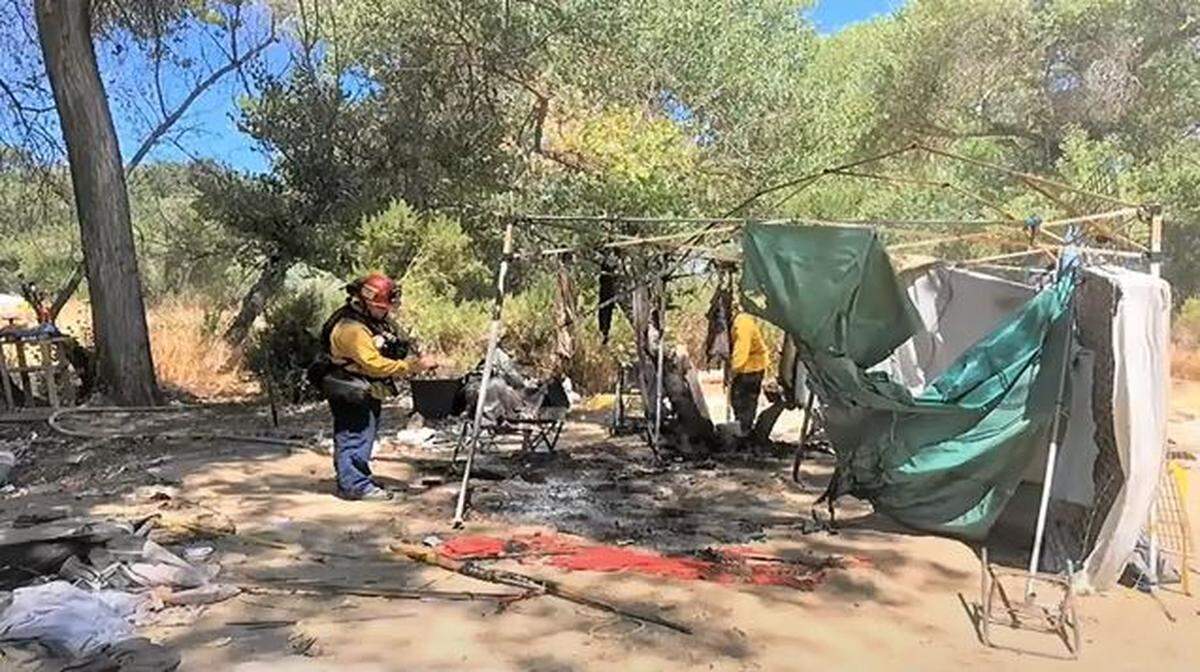
It further requires a minimum of 48 hours advance notice from law enforcement and service providers before clearing an encampment, and would require the agency to hold some belongings for at least 60 days for homeless residents.
But San Luis Obispo County governments said this model ordinance — which is just a template and not a legal obligation from the Governor’s Office — is just a retread of policies that are already in effect across the county.
“The key is that many of us already have strong policies in place and are managing the homeless crisis with general fund taxpayer dollars, doing the best we can, but we just don’t have adequate funding,” Atascadero city manager Jim Lewis said in an email to The Tribune. “If the governor was really committed to addressing this issue, the state would give more than legal advice through a template ordinance.”
Newsom’s suggestions are full of redundancies, cities say
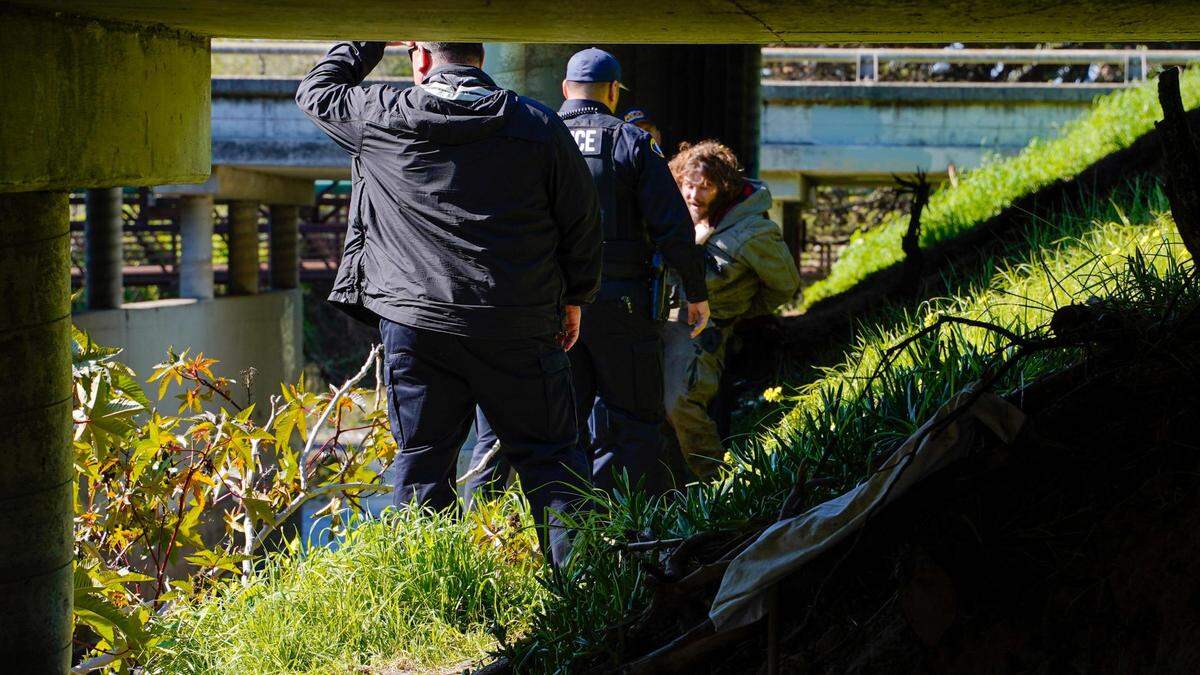
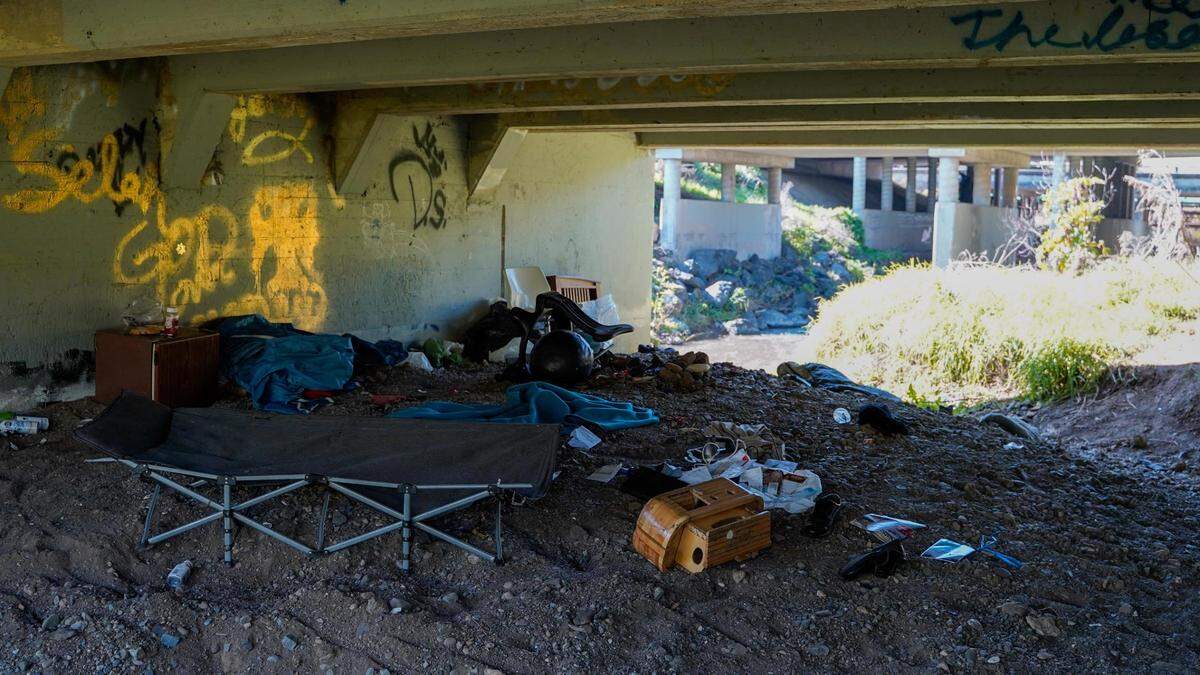
Across San Luis Obispo County and its seven cities, many municipalities already have some form of public camping and sleeping ordinances in place that restrict where and how long a person can camp at night.
The cities of San Luis Obispo, Morro Bay, Grover Beach, Paso Robles and Atascadero have all implemented ordinances prohibiting camping in certain public spaces within the past decade.
San Luis Obispo’s Compassionate Assistance, Mitigation and Prevention policy already follows the same 48-hour noticing period as Newsom’s model and holds belongings for up to 90 days — 30 days more than the governor’s suggestion, city manager Whitney McDonald said.
The city’s CAMP standards are more concerned with keeping public parks clear of visible tents or overnight sleepers between 10 p.m. and 5 a.m. than it is with how often people must move, McDonald said.
“Our current procedures align with the governor’s model ordinance, and we are not anticipating any substantive changes to our CAMP Standards,” McDonald said. “Additionally, existing provisions of the City’s Municipal Code authorize citations for conduct that poses a health and safety hazard, such as impeding access to city sidewalks.”
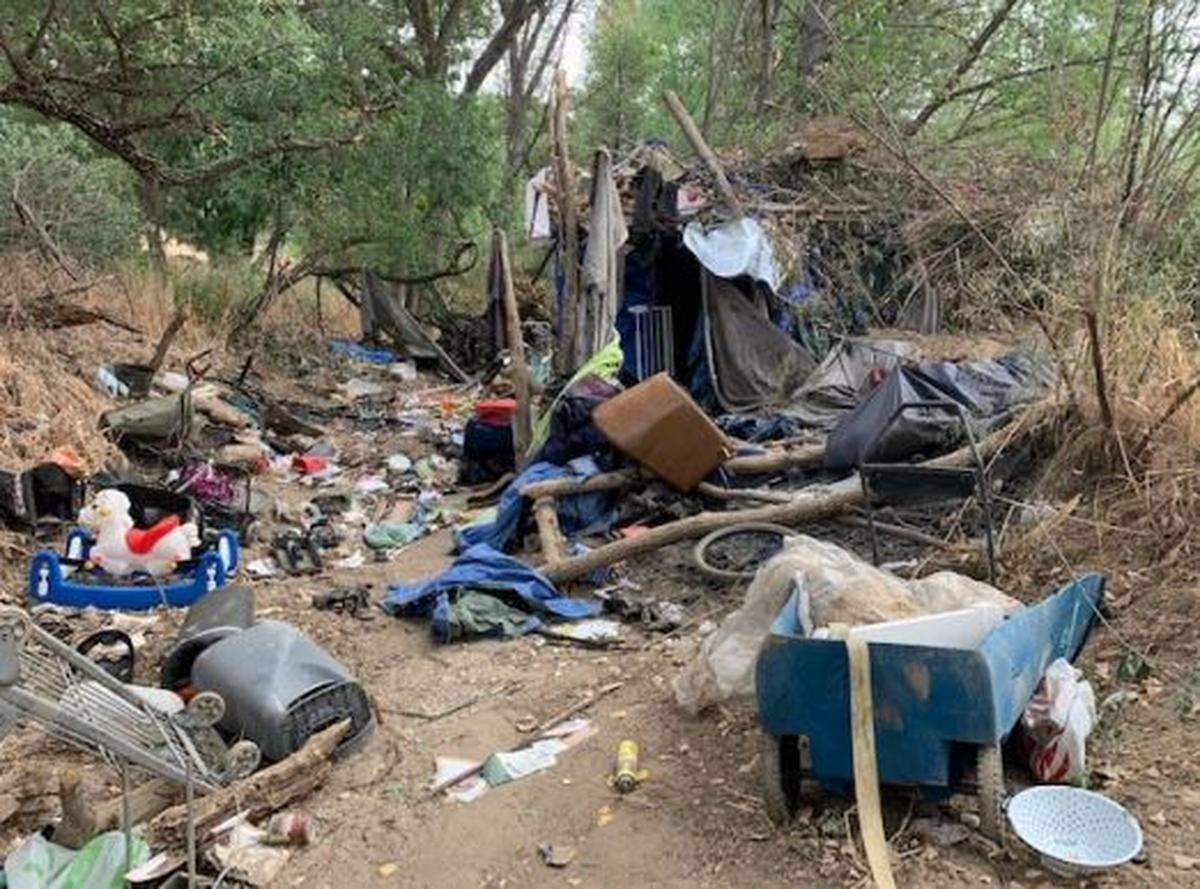
Morro Bay, which in 2023 passed a trio of ordinances on the time, place and manner in which encampments can exist in public spaces, already has most of Newsom’s boxes checked through its existing ordinances, city manager Yvonne Kimball said.
Newsom’s model is not intended as a one-size-fits-all answer to homeless policy needs across the state, Kimball said, and Morro Bay’s approach has several key differences.
For example, Morro Bay allows for camping for a total of 24 hours in any one location, where Newsom’s model allows 48 hours in one spot, Kimball said. The governor’s model also requires that homeless campers move 200 feet at the end of those 48 hours, where Morro Bay’s ordinances are more concerned with dictating where camping is prohibited, such as within 200 feet of residential areas, schools, playgrounds, visitor-serving commercial areas, critical infrastructure, or high/very high fire zones, she said.
Paso Robles city manager Chris Huot said though the city’s regulations already cover most of what Newsom is asking for, the city will conduct a review of the model ordinance to see if any meaningful changes can be made under its guidance.
Like Lewis in Atascadero, he said, the city needs dollars, not instructions on how to clear encampments.
“There is no direct, ongoing state funding source to support the work the city is doing to reduce the number of encampments within our community,” Lewis said.
Newsom’s model comes with Prop. 1 funds — but not all cities will get them
Lewis said the issue with the effectiveness of these ordinance does not lie in the way its rules are constructed, but rather in the lack of sufficient financial support to back up those rules — an amount of money unlikely to increase amid federal funding cuts and the prioritization of care beds over housing through Proposition 1.
In a more ideal environment, the state “would give cities money directly to fund cleanup and related wrap-around services to get them housed and keep them housed,” Lewis said. “The Prop. 1 money is for building housing for mental health services, not addressing homeless camps or issues on the street.”
Kimball said Morro Bay is hopeful that it can gain some Prop. 1 funding through collaboration with the county’s Department of Public Health, intending to use that funding to maintain the city’s existing part-time Hhomeless outreach case manager position and provide emergency needs such as tarps, blankets and bus passes to homeless residents.
Grover Beach city manager Matt Bronson similarly said many of Newsom’s model ordinance requests are echoed in the city’s existing ordinance, which “has worked well” in reducing the number of active encampments, but he added that the $3.3 billion Proposition 1 funding disbursement that came alongside Newsom’s model won’t reach Grover Beach because it doesn’t have any housing or service opportunities that could receive funds from the bill.
San Luis Obispo County Homeless Services Division communications manager Suzie Freeman said the county has reviewed the model ordinance, identifying plenty of similarities with its own homelessness policies.
However, the county is unlikely to adopt the exact provisions of Newsom’s model because the region lacks enough emergency shelter beds and housing units to provide solutions to people living in encampments, she said.
By extending the amount of outreach time dedicated to people living in encampments, service providers have an easier time building trust and getting them attached to services, Freeman said.
“The urgency to address homelessness is real, but any call to accelerate encampment resolutions should be matched with additional flexible-use funding to create and support housing and emergency shelter options,” Freeman said in an email. “In our community, we have seen that clearing encampments without adequate shelter or housing resources does not resolve the issue and often worsens it.”
“Displacing people without practical options increases trauma, undermines progress made, and may shift the issue into a neighboring jurisdiction,” she continued.