Paso Robles councilman should turn over devices, accounts to third party, city says
Paso Robles City Councilmember Chris Bausch should turn over his private devices and accounts to a third party to search for public records requested by The Tribune, the city proposed in a new brief.
The proposal comes two months after The Tribune sued both Bausch and the city for violating the Public Records Act after multiple requests involving the councilman went almost entirely unfilled.
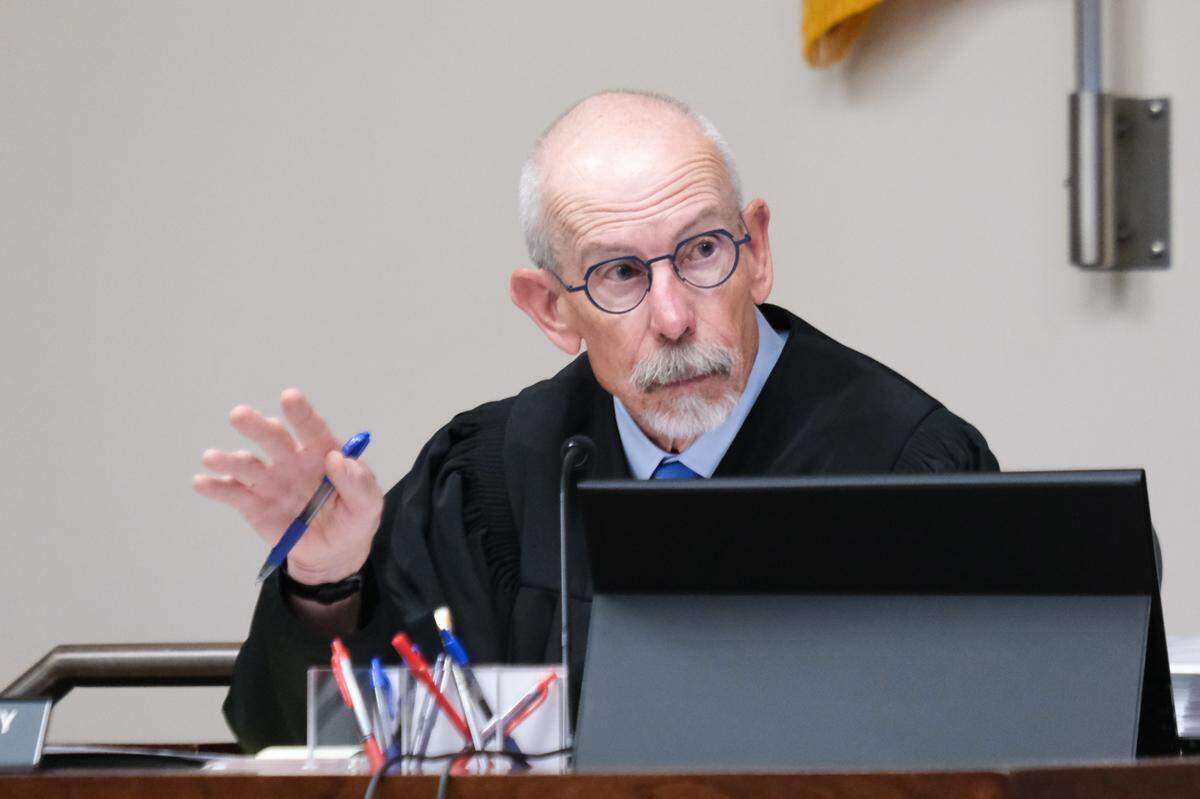
Last week, the San Luis Obispo Superior Court Judge Michael Kelley directed the city to come up with a plan to break the stalemate and produce records to The Tribune by the end of May.
The city filed its proposal Monday evening, suggesting a third-party conduct the search for records — a suggestion floated by Kelley during Wednesday’s hearing.
According to its new proposal, the city said it had followed guidelines set out by case law and notified all five of its City Council members of records of The Tribune’s requests from their personal devices. All but Bausch responded, provided records or confirmed they did not have records, and signed affidavits attesting to their search efforts, the city said.
The city has maintained that Bausch refused to produce records unless ordered to do so by a court. Bausch has said he would need six additional months to find and produce records to The Tribune, despite allegedly searching for records since January.
In April, Bausch filed a counter-suit against The Tribune asking for the requests to be dismissed because they were “vexatious and deceptive” and sued the city for not paying for his legal representation. In turn, the city then sued Bausch, alleging he knowingly violated the Public Records Act, calling his excuses for not producing records “varied, unsubstantiated and unlawful.”

Bausch should turn over devices by next week, city proposes
The proposed process is based on Kelley’s request and the “unusual circumstances of this case,” the city wrote in its proposal, adding that it’s more intrusive than the typical record retrieval process that Bausch did not cooperate with.
Paso Robles would like to retain Setec Investigations, a third-party consultant that specializes in “identifying, preserving, retrieving, and analyzing electronic information in support of a forensic investigation or ongoing litigation,” according to its website.
The city proposes that Bausch be ordered to deliver his personal devices and email account passwords to Setec within five court days of the next hearing, which is scheduled for 11 a.m. on Friday. The city also seeks a court order for Bausch to deliver records he has already identified to the city by the time he turns in his devices.
Bausch’s devices and accounts would be delivered to Setec for the sole purpose of collecting potentially responsive records and delivering those records to the city for review within seven days of its receipt of Bausch’s devices and accounts.
The city would then immediately begin reviewing documents upon receipt from Bausch and Setec.
A potential timeline would have Bausch deliver his devices and passwords to Setec by May 16, Setec producing records to the city by May 23, and the city producing records and a privilege log, which will list out redactions and exemptions, to The Tribune by June 6. If there is an unusually large number of records, the city would produce the remainder by June 23.
The city also proposed a timeline to argue the merits of the case, which will address both Bausch and the city’s cross-complaints and ultimately determine who is responsible for attorney’s fees.
Opening briefs should be filed no later than July 23, oppositions filed by Aug. 25 and reply briefs by Sept. 8, followed by a court hearing that works with Kelley’s schedule. The city also proposed opening and opposition briefs should be limited to 25 pages and that reply briefs should be limited to 15 pages.
Both Bausch and The Tribune were expected to respond to the city’s proposal by the end of the day Wednesday.