
Wind topples last remaining structure at Nazi POW camp on Central Coast
This Christmas brought our area some incredible waves and interesting weather.
After a brief Christmas Eve rain spell that was little more than a drizzle, the wind kicked up, and it kicked up hard. On the Gaviota Coast, surf sessions were blown out and avocados were knocked out of trees prematurely.
But we lost something more important than clean waves and avocados on Christmas Eve, we lost the remnants of a very unique and important part of Goleta’s history.
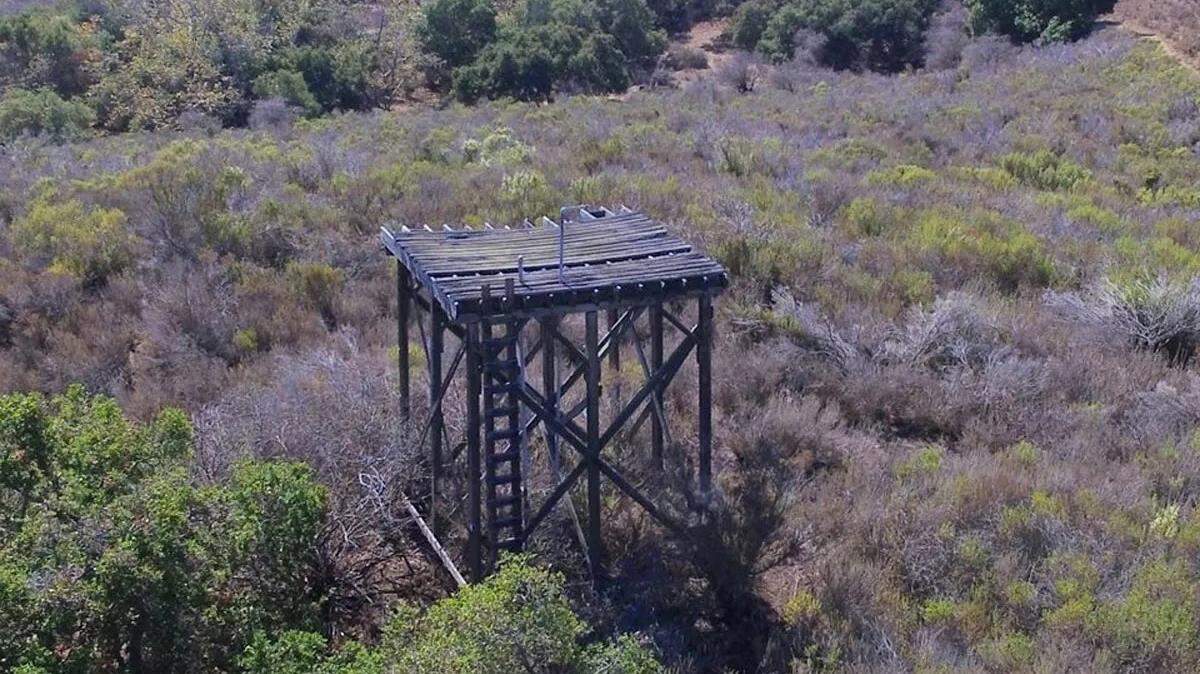
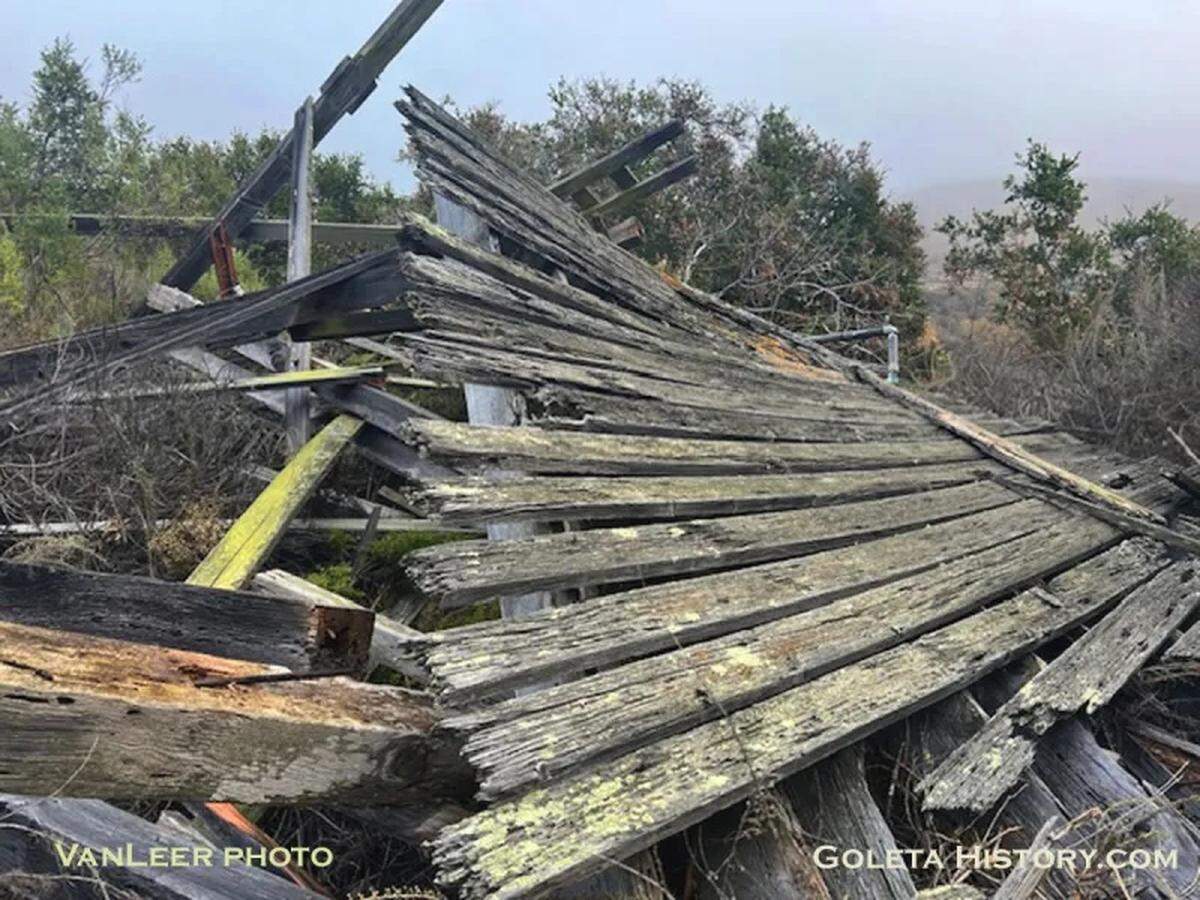
The water tower from the Nazi POW camp on the Gaviota Coast finally gave in to years of weather and wind, and it collapsed.
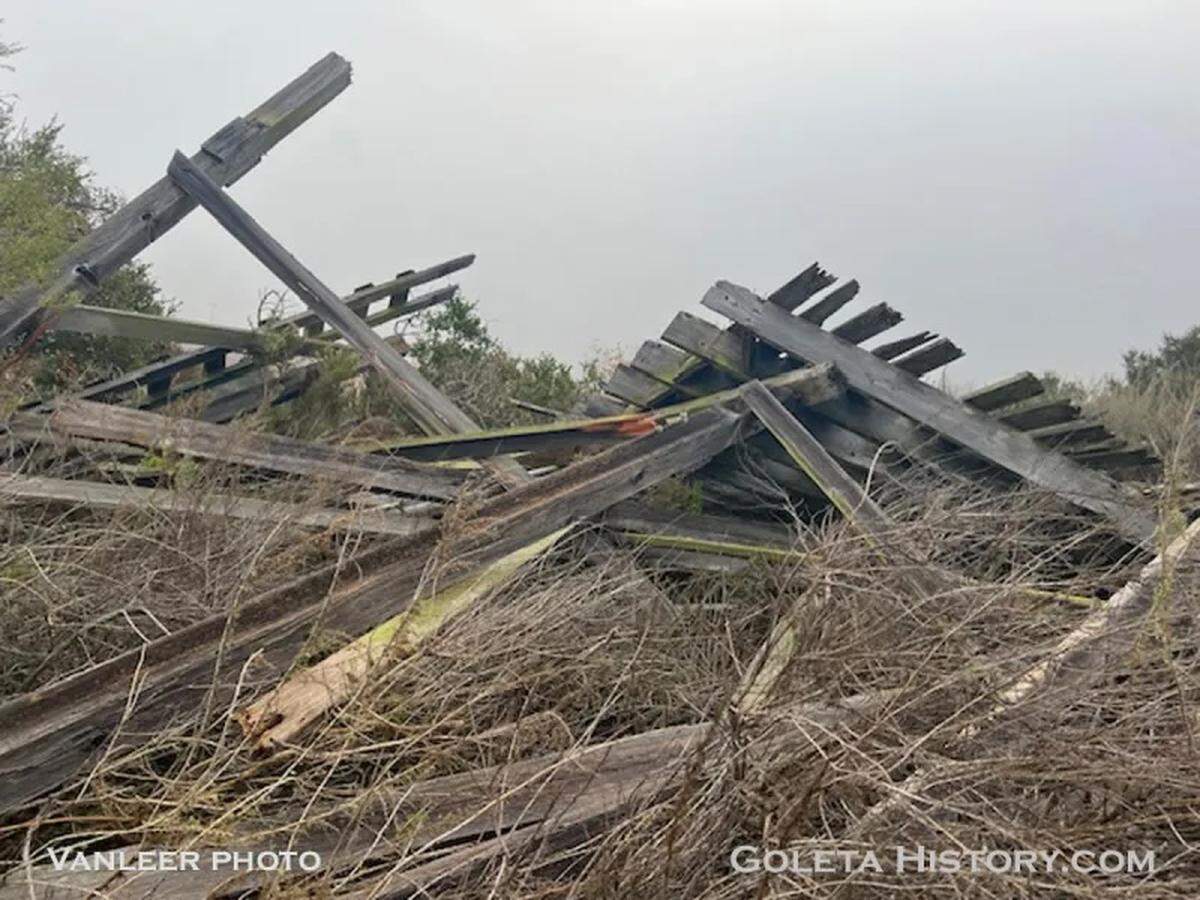
As a local history enthusiast, I was very sad to learn that the tower fell down.
The Gaviota POW camp is somehow still one of the best kept history secrets in our area and now that the tower that marked the location is gone, it will be even harder to remember.
Several years ago, I did a story on the camp on my history website but most people are still amazed when they hear that we really had Nazis living in our area at one time.
During World War II, the U.S. military started bringing captured enemies back to the States to help relieve the stress on our soldiers overseas.
There were actually hundreds of camps for captured enemy soldiers throughout the United States, but the authorities intentionally kept it pretty quiet. Patriotism was running high during the war years, and the government didn’t need the added problem of protecting the prisoners from angry citizens.
In this area, they started by making the Vandenberg base a POW camp, but they soon ran out of room and had to expand to nearby locations. A big empty field overlooking the ocean on the Edwards Ranch near Naples was chosen, and the camp was quickly built.
By October of 1944, the camp was complete, and about 250 German POWs were brought in. The Nazis had endured a lot of hardships on the battlefield and the journey after that, so when they arrived at this beautiful coastal camp with plenty of food and clean clothing, they felt very, very lucky.
The camp at Edwards Ranch was like a resort compared to most prison camps. Besides the beautiful location and views, they had a sports field, a library, a theater, full medical care, a variety of classes, religious services and they had their own orchestra. But probably the best part was they took frequent swims in the nearby Pacific, and sometimes their guards would join them!
The Edwards Camp was enclosed by a tall barbed wire fence that had guard towers and machine gun mounts, but the men inside were treated with respect and many became friends with the guards.
The prisoners realized their good fortune and they even decorated and landscaped the camp. While there were riots at some other camps around the country, the camp at Edwards was always a peaceful place.
At the time, most folks in the Santa Barbara area knew something about the camp on the coast, but the authorities still tried to keep it out of the public eye as much as possible. The prisoners actually provided a valuable asset to the farming community of Goleta.
Since most of the local young men had been drafted, the farmers were desperate for help in their orchards and fields so a program was started that allowed them to hire the POWs as workers.
The military would bring them to the farms, along with armed guards, and the prisoners actually enjoyed working hard in the local farms. The prisoners were paid, and the farmer usually provided them with a lunch. There were a few instances of attempted violence against the POWs, but the majority of local citizens were appreciative of the help.
The war ended and the prisoners were sent back to Europe in 1946, but many of the Germans eventually returned to spend the rest of their lives on this beautiful stretch of California.
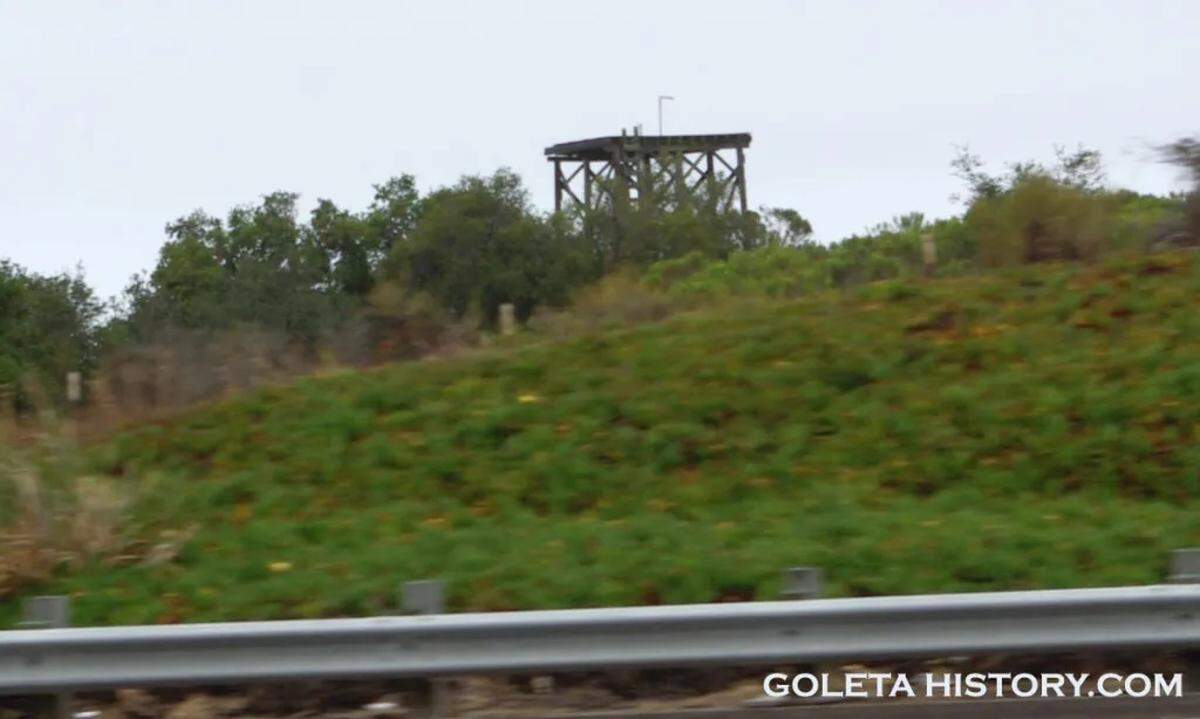
After the camp was closed, it became housing for ranch workers and was occupied off and on until the 1970s, when a fire burned all of the buildings except the water tower.
The water tower was the last reminder of a very unique time in Goleta and American history, and the last physical evidence of the POW camp at Edwards Ranch.
Now the tower is gone forever, and the story of the POW camp at Goleta will be even harder to be remembered.
Unfortunately, this is not unusual for historic structures in this area. The owners are not properly motivated to save and preserve them, and they eventually disintegrate. The same path is being followed at the Barnsdall-Rio Grande gas station at Ellwood and the original two hangars at the Santa Barbara airport.
Read more about the POW Camp at Edwards Ranch at www.goletahistory.com.
This story was originally published December 31, 2024 at 12:16 PM with the headline "Wind topples last remaining structure at Nazi POW camp on Central Coast."