
SLO is switching how you vote for City Council. Here’s what’s changing and why
Your San Luis Obispo city ballot will look a little different next election.
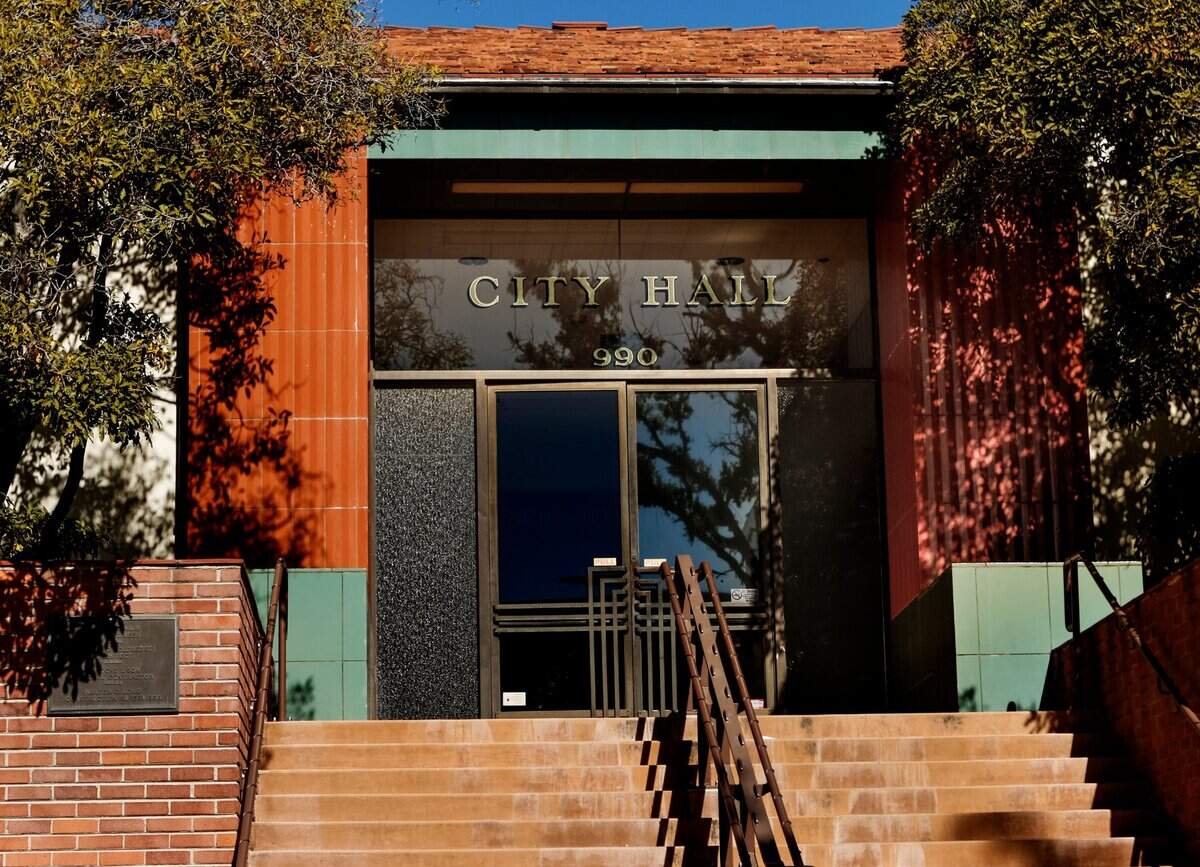
On Tuesday, the City Council voted to change the way its members are elected after reaching a settlement with a voting advocacy group that pushed San Luis Obispo to move from citywide elections, claiming they dilute Latino votes.
Currently, voters cast two votes for two open council seats and one vote for mayor each election — but starting in 2026, voters will instead cast only one vote for City Council, with the two open seats going to the top two vote-getters.
“This is just the beginning of the discussion we’ll have with eligible and registered voters before the 2026 election,” Mayor Erica Stewart said in a news release.
“What’s clear is that the state’s one-size fits all solution does not make sense for San Luis Obispo and going to districts for our elections will dilute the voice of local Latine voters,” she said, using a new term for the Latino community.
Why is SLO changing how residents vote?
Stewart said the agreement would help the city “avoid costly litigation.”
The move comes after the city reached a settlement with the nonprofit Southwest Voter Registration Education Project, a Latino voter participation organization that threatened litigation in 2023 if the city didn’t switch to district elections.
In a letter to the city, attorney Kevin I. Shenkman acting on behalf of the Southwest Voter Registration Education Project claimed San Luis Obispo’s at-large election system for choosing City Council members and the mayor violates the California Voting Rights Act because it dilutes the influence of Latino voters in elections.
Other state and local cities have received similar letters in recent years, prompting them to change their election systems so that council members are selected by district, rather than from the city as a whole.
Grover Beach, Paso Robles, Arroyo Grande and San Luis Obispo received legal threats in 2018 and 2019 demanding those cities switch to district elections because their then-current systems diluted Latino votes.
Rather than risk lawsuits, Arroyo Grande, Paso Robles and Grover Beach all complied with the demand and have since transitioned to district elections.
San Luis Obispo, however, previously held that that demand would not protect minority groups from losing voting influence and denied that the city had a systemic problem in its election process to begin with.
This week the city said that after analyzing voter and demographic data and hearing from local Latino community leaders, it was clear splitting the city into districts “is directly contrary to the purpose and intent of the (California Voting Rights Act) because districts here would actually dilute the local Latine vote.”
“While I understand that districting may have some community appeal, this approach is not in the best interest of the Latinx community in San Luis Obispo,” Beya Makekau, associate vice president of DEI strategic planning and networks for the Cal Poly Office of University Diversity and Inclusion, said in a public comment to the City Council. “With the Latinx population comprising approximately 18% of our city, moving to a district-based model risks further diluting the Latinx vote rather than amplifying it.
“Council must prioritize equity in practice, not just in theory,” Makekau added. “This means adopting measures that ensure Latinx voices are not only heard but are empowered within our electoral system.”
When will it go into effect?
On Tuesday, the City Council approved the switch to single voting, saying the new method would “help elevate the potential of minority groups in the city to organize around a single candidate, participate in and influence local elections.”
The new voting will go into effect for the next two election cycles, in 2026 and 2028, with the option of switching to by-district voting after that if the change does not work for the community, the release said.
The way the mayor is elected will stay the same, the city said, with voters continuing to cast one vote for their preferred candidate.
For details on this change and next steps, visit www.slocity.org/Elections.
Tuesday’s discussion followed almost two years of negotiations between the city and the Southwest Voter Registration Education Project.
%20Cropped.jpg)