Why are people dying on SLO County highways? Here’s a look at causes behind fatal crashes
READ MORE
Deadly Driving in SLO County
A multi-part series by The Tribune
Expand All
Where are SLO County’s deadliest roads? These 3 spots have the most fatal crashes
Why are people dying on SLO County highways? Here’s a look at causes behind fatal crashes
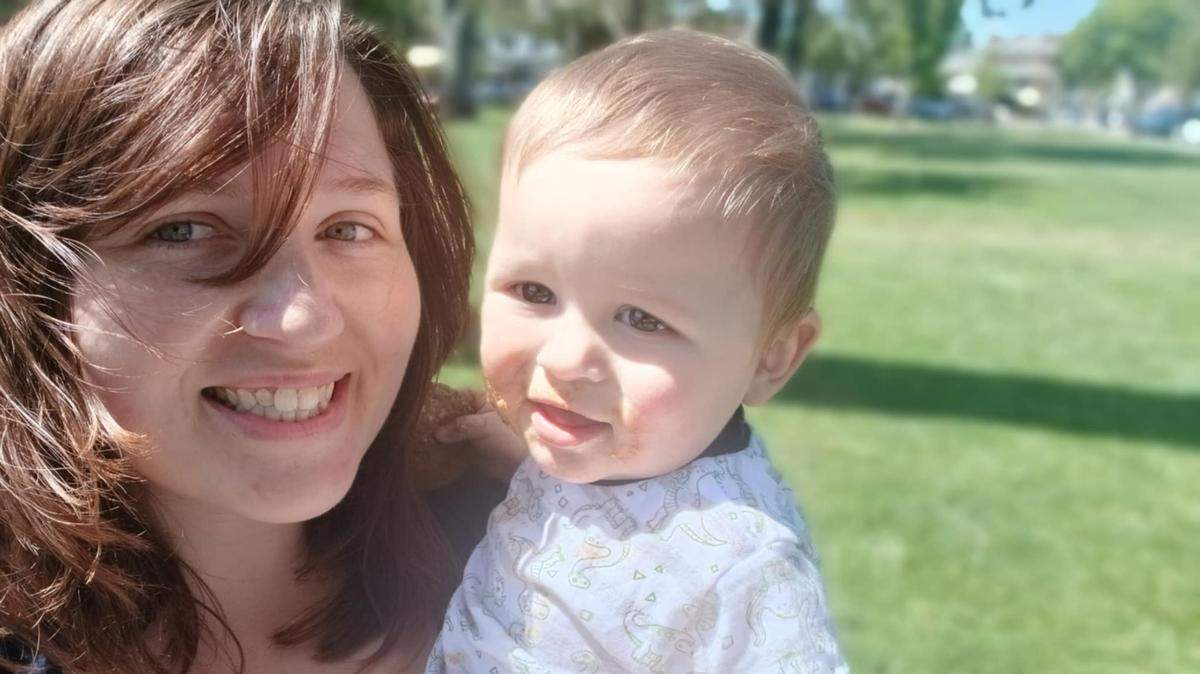
SLO County mom killed at deadly intersection days before baby’s 1st birthday. Here’s her story
When will SLO County’s deadliest roads be fixed? These improvements are already in the works
Editor’s note: This story is the second in a four-part series about deadly car crashes in San Luis Obispo County.
How common are car crashes in San Luis Obispo County?
From 2014 to June 2024, nearly 11,000 vehicle-related incidents occurred in San Luis Obispo County, according to data from the California Statewide Integrated Traffic Records System.
These crashes resulted in the loss of 321 lives and more than 14,500 injured people.
Who is dying on local roads? What are the causes behind the collisions? Is SLO County more dangerous than other counties on the Central Coast?
The Tribune looked into the data behind the deaths.
What are the most common causes of deadly crashes?
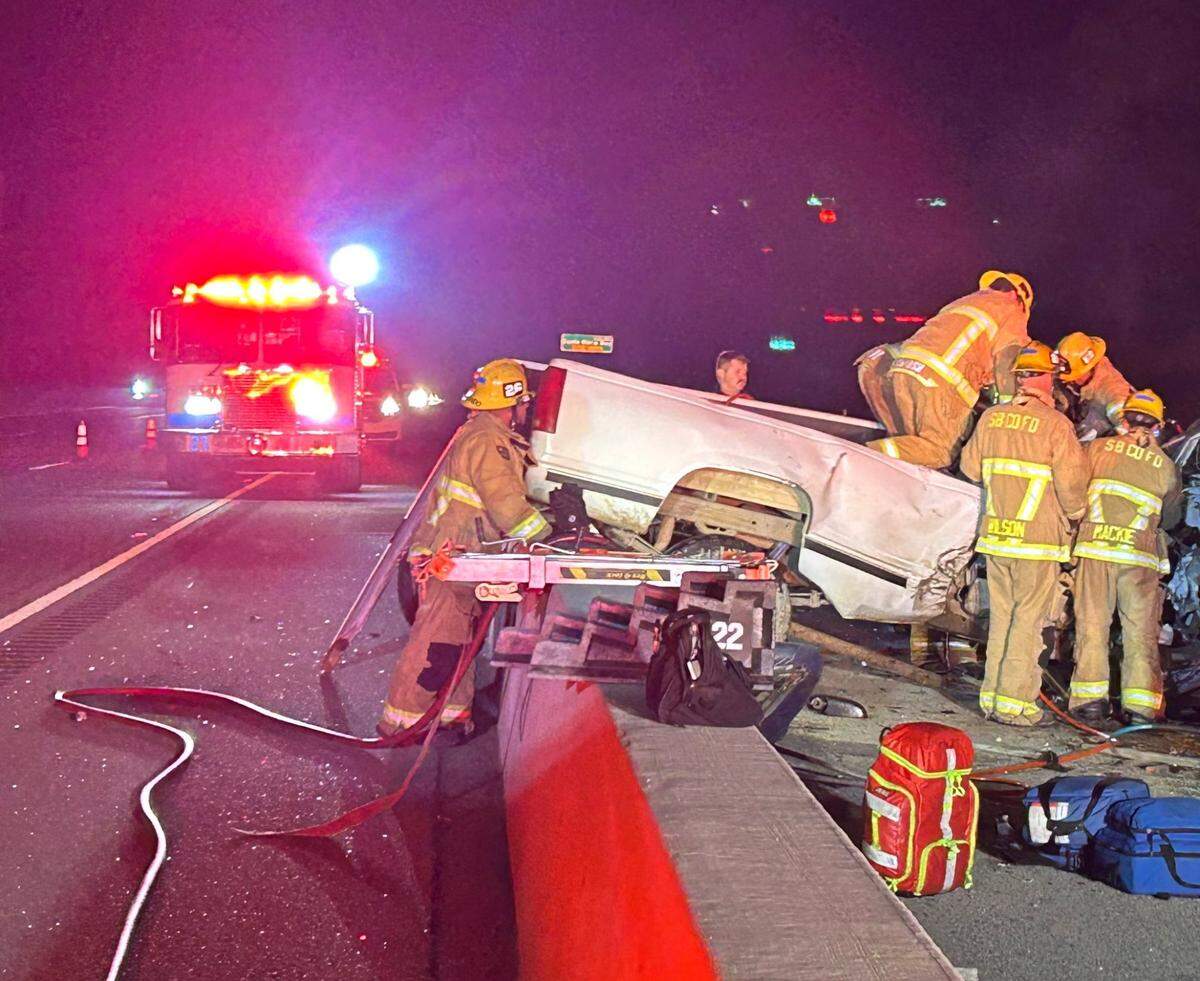
San Luis Obispo County had 298 fatal crashes over the past decade.
According to the state traffic records system data, 2.7% of all vehicle collisions in SLO County during that time period ended in a person dying from their injuries.
Nearly 33% of fatal crashes involved a vehicle hitting an object on the road.
The next most frequent cause of roadway deaths was head-on collisions at more than 16%.
Tied at 14% were broadside, or, T-bone collisions, and incidents where a vehicle collided with a pedestrian.
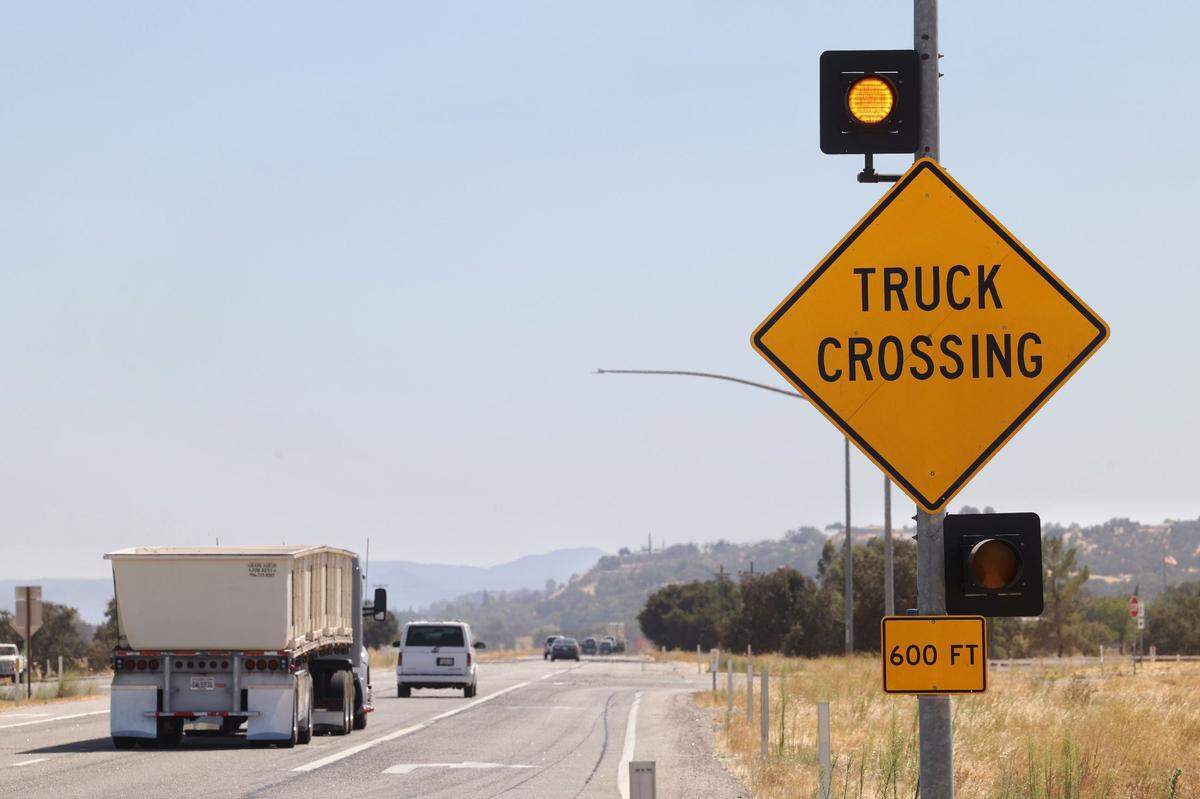
What leads to SLO County traffic collisions?
According to The Tribune’s analysis of data from the state traffic records system, the deadliest places to drive in SLO County involve stretches of Highway 101, Highway 46 and Highway 41.
However, that’s not the full story, according to Patrick Seebart, public information officer for the California Highway Patrol’s Templeton office.
“We don’t put the roadway at fault for the crash,” he said.
Seebart has worked for the CHP for 22 years. During that tenure, he has been at the sites of numerous collisions around North County.
Seebart said that drunk driving and distracted driving are the main causes behind deadly collisions in SLO County.
“People just aren’t paying attention,” he said. “They’re pulling out in front of people, and it’s sadly costing people their lives.”
Distracted driving can be difficult to account for, Seebart said, because there are often no witnesses present to indicate exactly what caused a fatal driving decision.
Often, he said, the CHP will never know what happened in the final moments before a fatal collision.
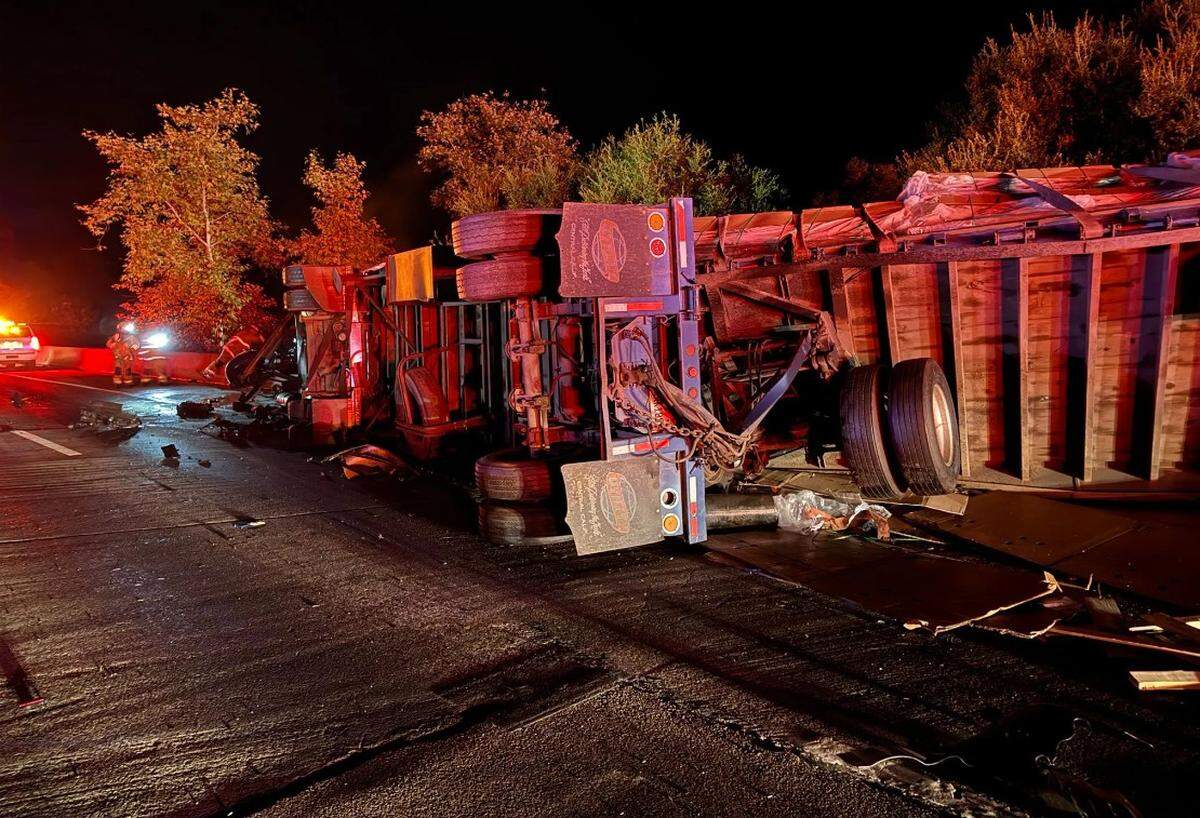
In California, the CHP tracks the primary collision factor violations behind each crash.
Data showed that nearly 34% of fatal SLO County crashes from 2014 to 2024 were due to people driving or biking under the influence of alcohol or drugs. DUIs resulted in more roadway fatalities than any other factor.
Improper turning was the second-most frequent cause of death at about 22%, while nearly 12% of deadly crashes in SLO County were caused by speeding on roadways.
“People are just in such a hurry that they don’t stop and wait a second. They don’t doublecheck that that intersection is clear,” Seebart said. “They just go, and they’re killing themselves out there.”
What are the deadliest times to drive?
When you decide to drive can also be a factor in fatal crashes.
Certain time periods — including specific hours and days of the week — were more dangerous for SLO County drivers and their passengers, according to data from California’s Statewide Integrated Traffic Records System.
More deaths overwhelmingly occurred on local roads during dusk and nighttime, with nearly 23% of deadly crashes taking place from 6 to 9 p.m., according to state traffic records system data.
Most drivers are on the road after work during early evening hours. That’s also when light is fading from the sky, depending on the season.
Noon to 3 p.m. was the second-deadliest time of day to drive with 16% of collisions happening during this time frame, according to the data.
In terms of days of the week, Saturday had the highest percentage of fatal crashes in SLO County.
About 19% of roadway deaths over the last decade occurred on this day, the data show.
The next deadliest day was Friday, with 16% of deadly collisions occurring on the final day of the work week.
How does SLO County compared to other California counties?
More people died in traffic incidents in SLO County over the past decade than its Central Coast neighbors.
From 2014 to 2023, Monterey and Santa Barbara counties both had lower rates of roadway fatalities in relation to their population sizes, according to data from state traffic records system.
San Luis Obispo County averaged 31.2 fatalities per year from 2014 to 2023.
That means SLO County averaged one roadway fatality for every 9,052 people, based on 2020 population data from the U.S. Census Bureau.
Santa Barbara County averaged 36.1 traffic fatalities per year for the past decade, data showed, or, one fatality per every 12,416 people.
In Monterey County, there were 47 road fatalities per year on average from 2014 to 2023. That’s one fatality per 9,341 people.
Countywide fatal crash data from 2024 had not yet been released as of Wednesday, Nov. 20.
This story was originally published November 21, 2024 at 5:00 AM.