Historic SLO home was set to house 8 adults suffering from mental illness. What happened?
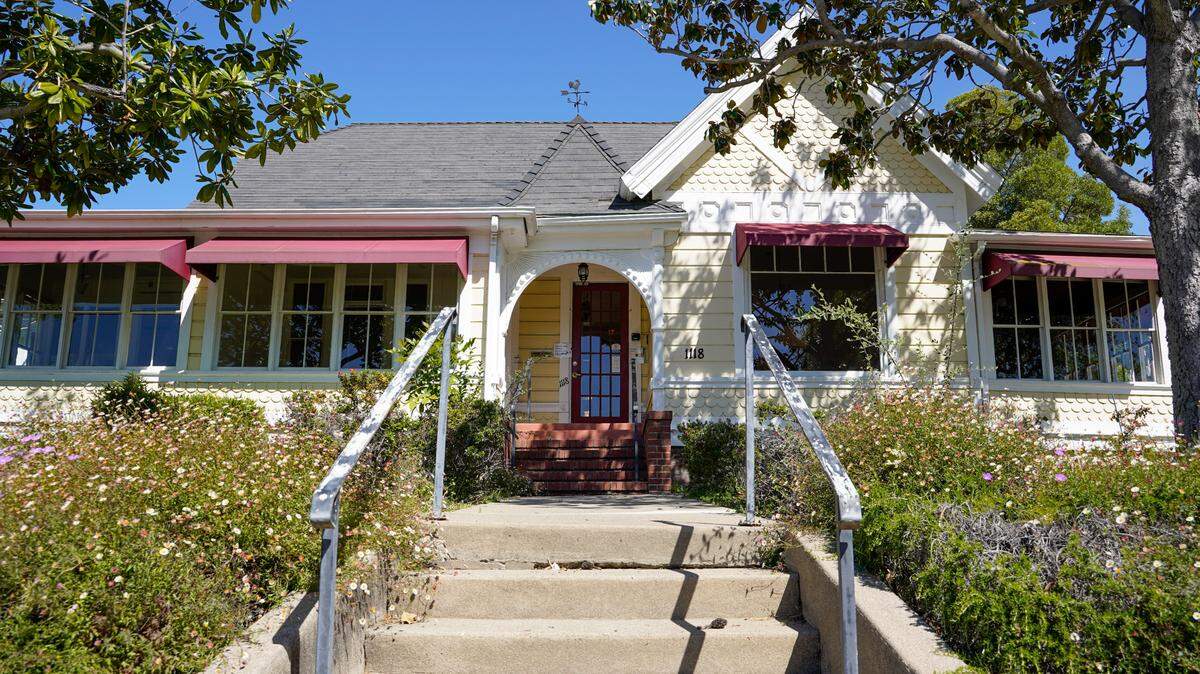
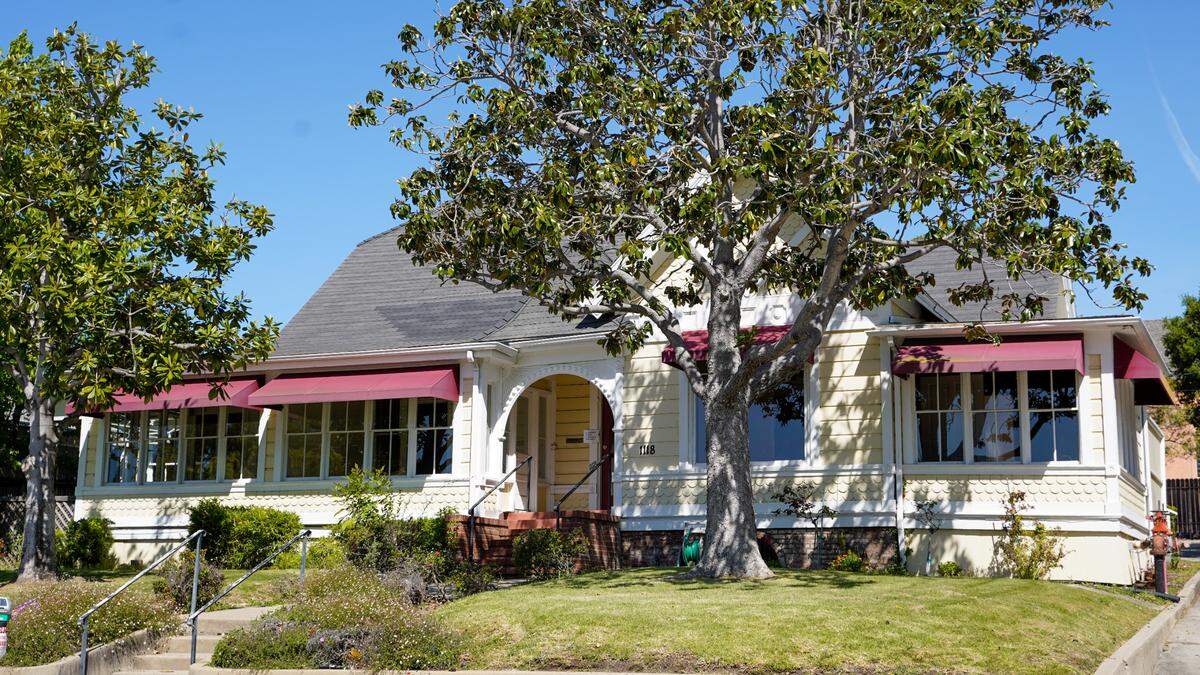
Last September, a historic home in San Luis Obispo was due to open eight more beds for unhoused residents — but more than half a year later, the property stands unchanged.
Transitions-Mental Health Association planned to turn the 1894 Victorian at 1118 Palm St. into eight units of non-congregate housing for adults living with serious mental disorders who are considered homeless, chronically homeless or at risk of becoming chronically homeless, but time and money constraints have essentially assured that the project can no longer move forward, TMHA executive director Jill Bolster-White said.
Bolster-White said while the property cost TMHA around $1.2 million to buy back in 2022, the funds the organization received to carry out needed renovations to make the space appropriate for interim shelter simply don’t go as far in 2024 as they did in 2022.
Even with American Rescue Plan Act funds from the city of San Luis Obispo and a No Place Like Home loan totaling around $2 million, inflation’s pressure on the construction industry and the cost of raw goods have pushed the estimate well past what the organization can pay.
“We initially thought we had enough to build the project, and then we put the plans out to bid and the price came in substantially over what our initial estimates had been, Bolster-White said. “I think it’s a sign of the times — construction costs went way up.”
The Tribune looked into what happened with the project as part of its Reality Check series.
Funding deficits proving too much for local projects
As it stands, the Palm Street Studios project is facing a $1.6 million deficit that will be difficult to fill without a grant lined up, Bolster-White said.
“The original estimate for construction increased by 28% due to the increased cost of construction materials, labor and oversight requirements,” Bolster-White said in an email. “The cost would have been $650,000 per studio.”
The organization has tried several different avenues to fill the gap — including requesting a second National Housing Trust Fund grant — but without success, Bolster-White said.
Originally, getting the project going was the easy part, Bolster-White said.
In recent years, plenty of California state law changes have made the process of bringing a project such as Palm Street Studios to the market much easier, as many of the permitting hurdles have been removed.
However, just when it got simpler to get a project approved, the COVID-19 pandemic and the following wave of inflation pushed many planned projects past even their loftiest price estimates.
In recent months, the combination of California’s budget deficit of more than $38 billion and continuously rising construction costs have forced nonprofits to make difficult decisions about projects such as Palm Street Studios, Bolster-White said.
Elsewhere in San Luis Obispo County, that impact is being felt by projects that relied on state money to get off the ground, such as the South County’s now-halted Central Coast Blue water recycling plant, which lost support when its state funding was reduced from $15 million to $5 million and costs continued escalating.
In TMHA’s case, the nonprofit will have to return all state funds it received to renovate the property, leaving little in the bank to get a similar project rolling, Bolster-White said.
She said flipping an existing property in a good spot in San Luis Obispo to gain eight units of supportive housing for a little over $3 million was a good deal on each unit, but continuing to sink money into the project means the value per unit only goes down for TMHA as time goes on and costs rise.
“Do we feel good about asking donors to contribute when the cost is so high?” Bolster-White said. “We’re really contemplating selling the property — we feel like we’ve tried all the options to bring in additional funding.”
Future of TMHA housing project unclear
Now, TMHA is in the market for a buyer and reevaluating its future housing plans on Palm Street, Bolster-White said. Unless a donor swoops in to fill the $1.6 million funding gap, the nonprofit will look elsewhere to provide supportive housing.
“We are looking at a different property that has some existing housing, and that might be a little bit more short-term in terms of its availability for housing,” Bolster-White told The Tribune. “Between real estate cost and renovations, I’m nervous about whether we’ll be able to find something that’s affordable.”
This story was originally published May 9, 2024 at 10:12 AM.