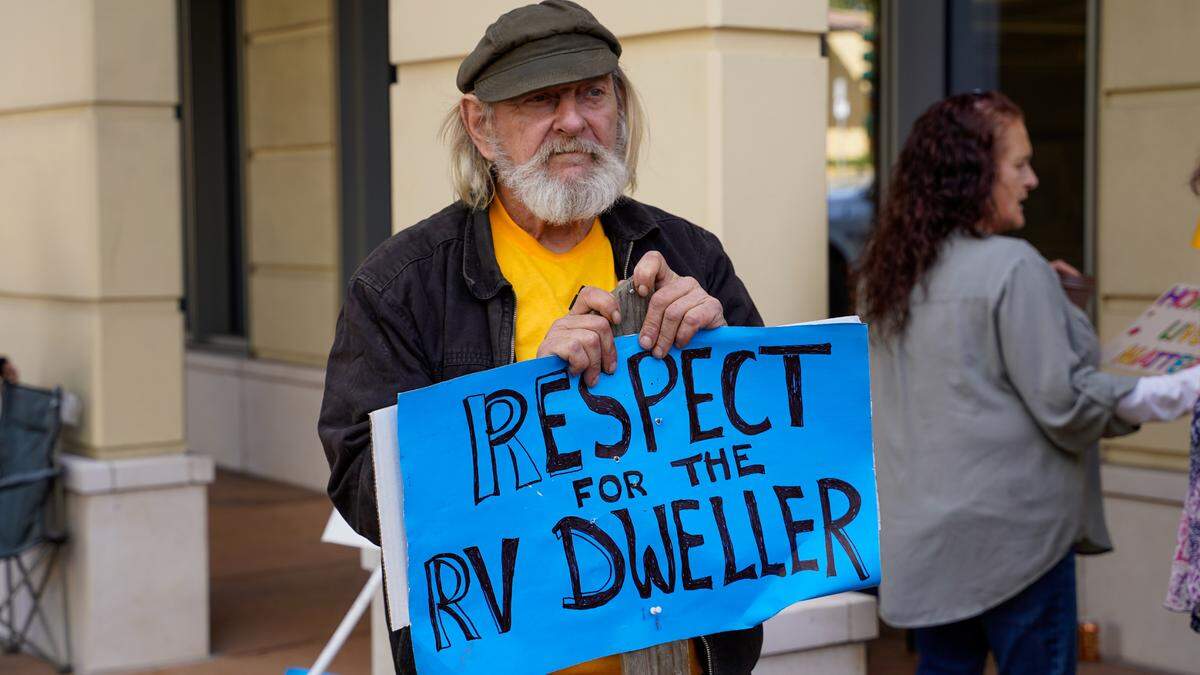
Closure of SLO County Safe Parking Site delayed after homeless union gets restraining order
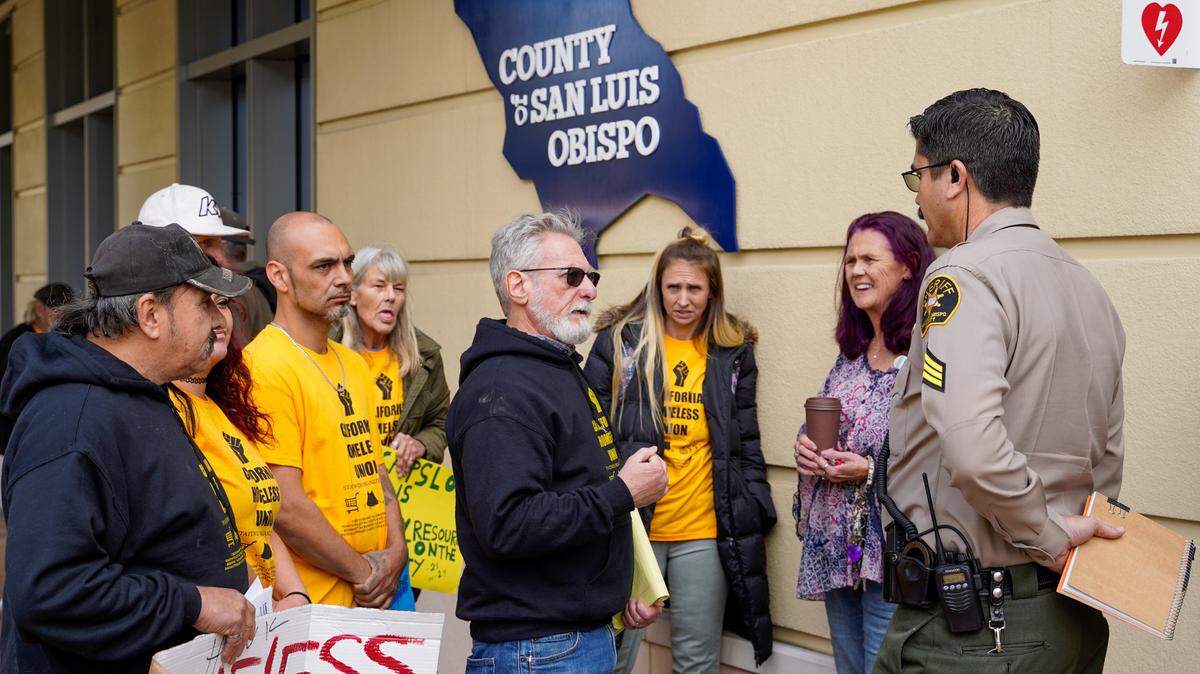
A federal judge has delayed the closure of San Luis Obispo County’s Safe Parking Site just days before it was set to cease operations, amid an ongoing legal fight between residents and the county.
The Oklahoma Avenue Safe Parking Site will remain open past the planned Monday closure date after District Judge André Birotte Jr. granted a temporary restraining order against San Luis Obispo County on Friday.
That means the 16 remaining residents can remain at the site until March 29 at 4:20 p.m., but whether they can stay beyond that date is yet to be seen.
Birotte partially granted the restraining order as part of a lawsuit launched by the local chapter of the California Homeless Union, according to minutes from last week’s United States District Court hearing.
In February 2023, the county announced it would wind down operations at the safe parking site until all residents had either left on their own or found paths to housing with help from case workers from nonprofits such as the Community Action Partnership of San Luis Obispo.
This pending removal of residents — which eventually was given the March 18 deadline — spurred some residents to form a local chapter of the California Homeless Union, which filed an application for a restraining order on the residents’ behalf Feb. 26.
Union lawyer Anthony Prince said he felt Birotte was sympathetic to the union’s argument that closing the site would expose the remaining residents to an increased risk of harm.
“The county is generally representing that they have made good faith efforts to provide people with housing, and of course, we disagree with that and the facts show otherwise,” Prince told The Tribune.
In a brief statement to The Tribune on Saturday, the county did not comment on the restraining order and only said it would continue to provide access to existing site services that will allow residents to pursue housing options.
“The County of San Luis Obispo maintains that the Oklahoma Parking Site was only intended to provide people with a temporary place to stay while they identified more suitable housing opportunities and was never envisioned to be a permanent location for people to live,” the statement read. “Additionally, the County and other local homeless service providers have worked diligently to offer housing and shelter options to the 16 people that remain at the site as of March 14, 2024.”
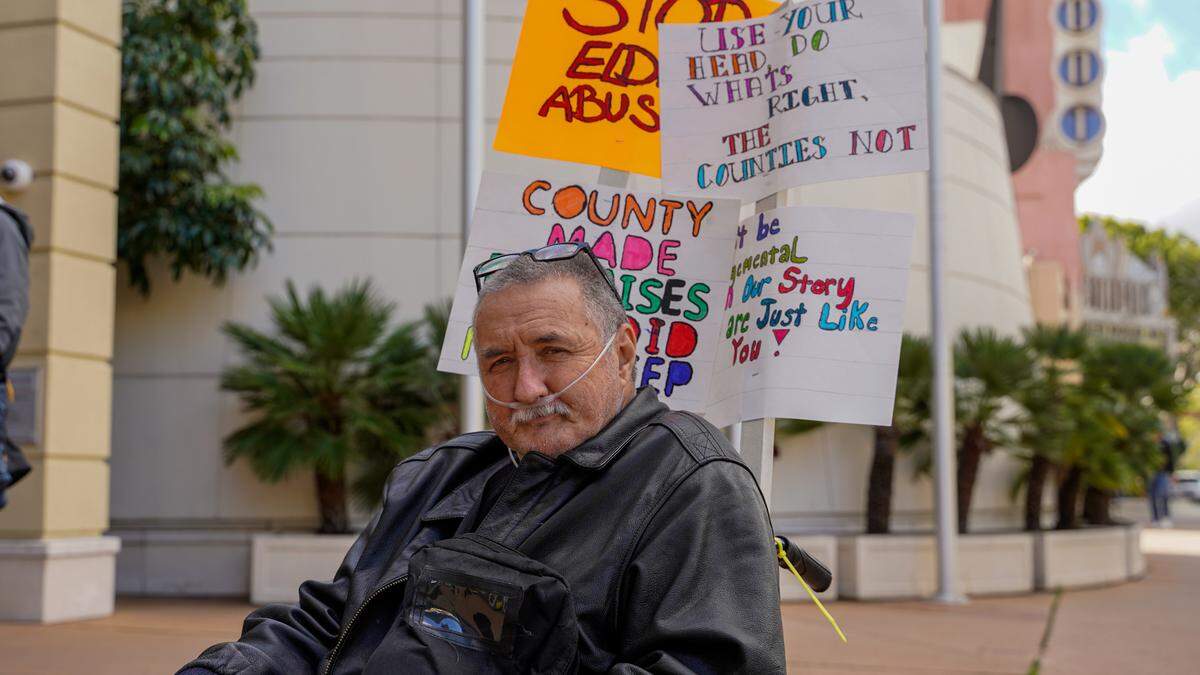
Why is SLO County being sued?
The union lawsuit asserts that the county, CAPSLO and two CAPSLO directors violated site residents’ First, Fourth, Fifth, Eighth and Fourteenth Amendment rights, along with the Americans with Disabilities Act and Articles 1 and 7 of the California Constitution.
In the application, the union argued the county and CAPSLO failed to provided sufficient housing options for residents, with some proposed dwellings failing to meet the health, age and economic needs of residents.
The court extended the site’s closure date because the union’s complaints showed “a serious enough question going to the merits of their Fourteenth Amendment claim, and that the balance of hardships tips sharply enough in their favor, to warrant some interim relief, albeit not everything they seek,” according to hearing minutes.
Birotte found that there are some legal precedents for homelessness-related cases based on the state-created danger theory, and he found that because county ordinances prevent parking or camping in many locations, residents may be at higher health and legal risk living in their recreational vehicles and cars.
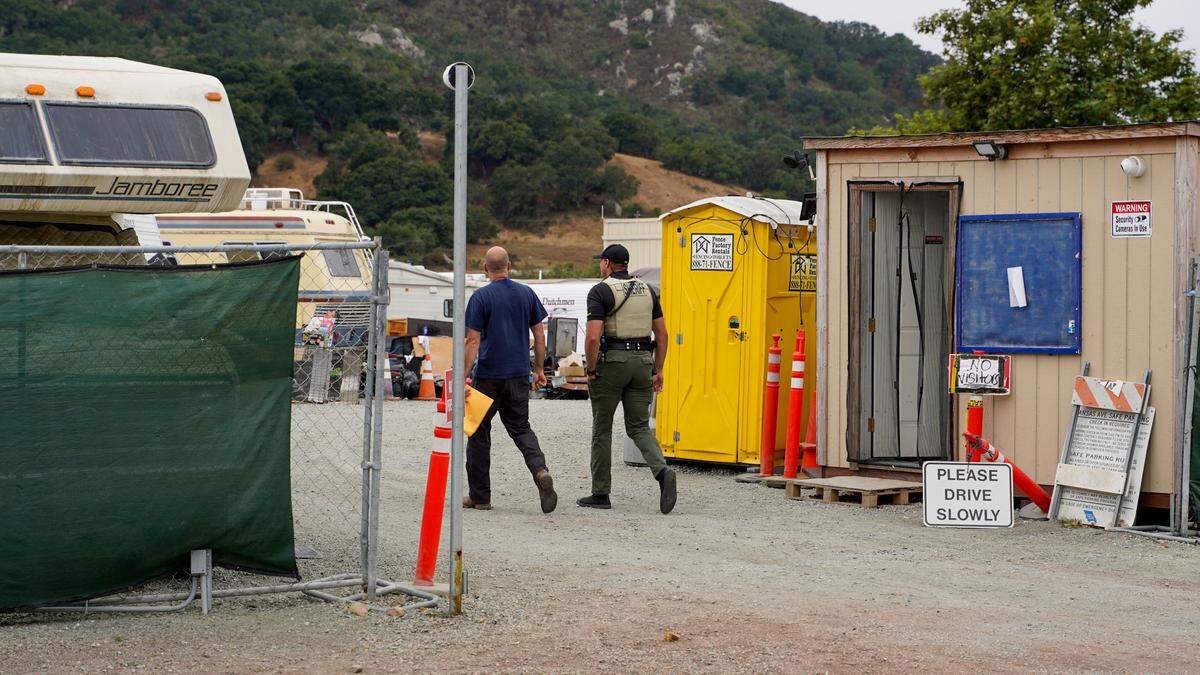
“A central concern here is whether the Plaintiffs in fact have ‘nowhere else to go,’” the minutes read.
However, Birotte also found that the union must demonstrate that irreparable, immediate harm is likely in the event of an eviction, indicating that speculative injuries are not a substantial basis for an injunction.
He also found that the union’s Eighth Amendment claim that ordinances against overnight parking and camping constitute cruel and unusual punishment was not a valid reason to issue a temporary restraining order.
Specifically, Birotte found the union failed to establish any elements that would allow it to cite the landmark 2019 9th Circuit case Martin v. Boise, which prohibits many West Coast municipalities from removing homeless people from public property.
Birotte’s findings also said a temporary restraining order is not a valid way to address past injuries such as the harm that individuals who left the site in the past may have received.
As such, past site residents won’t be allowed back on the site while it remains open, Prince told The Tribune.
“Most of these trailers are not independently drivable, so people can’t afford it and sooner or later, they will leave the trailer, and that’s the only home they have,” Prince said. “I think the judge is starting to see that there’s enough evidence to show that a substantial number of people still at this site will be put at increased risk of harm if that county was allowed to close the site without first actually taking some steps to make sure people are in a safe, durable alternative.”
What happens next?
Prince said this order is only the first step in the lawsuit, as it directs the county to show cause why Birotte should not issue a preliminary injunction that would prevent any further evictions from the site.
According to the order, the county has until March 22 at 5 p.m. to file its response in opposition to the injunction.
Conversely, the union has until March 26 to file a status update on remaining site residents ahead of the March 28 hearing, where the judge will make a decision on an injunction.