New book traces Hearst Castle architect Julia Morgan’s journey to SLO County
Atascadero author and editor Gordon Fuglie knew it would be daunting to tackle the topic of Hearst Castle architect Julia Morgan.
Instead selecting one author to write a book about the visionary architect behind media magnate William Randolph Hearst’s San Simeon estate, Fuglie and his publishers lined up seven of them — with each writer addressing different facets of Morgan’s life and legacy related to their expertise.
The result, Fuglie said, “is the most wide ranging treatment of San Francisco architect Julia Morgan published to date.”
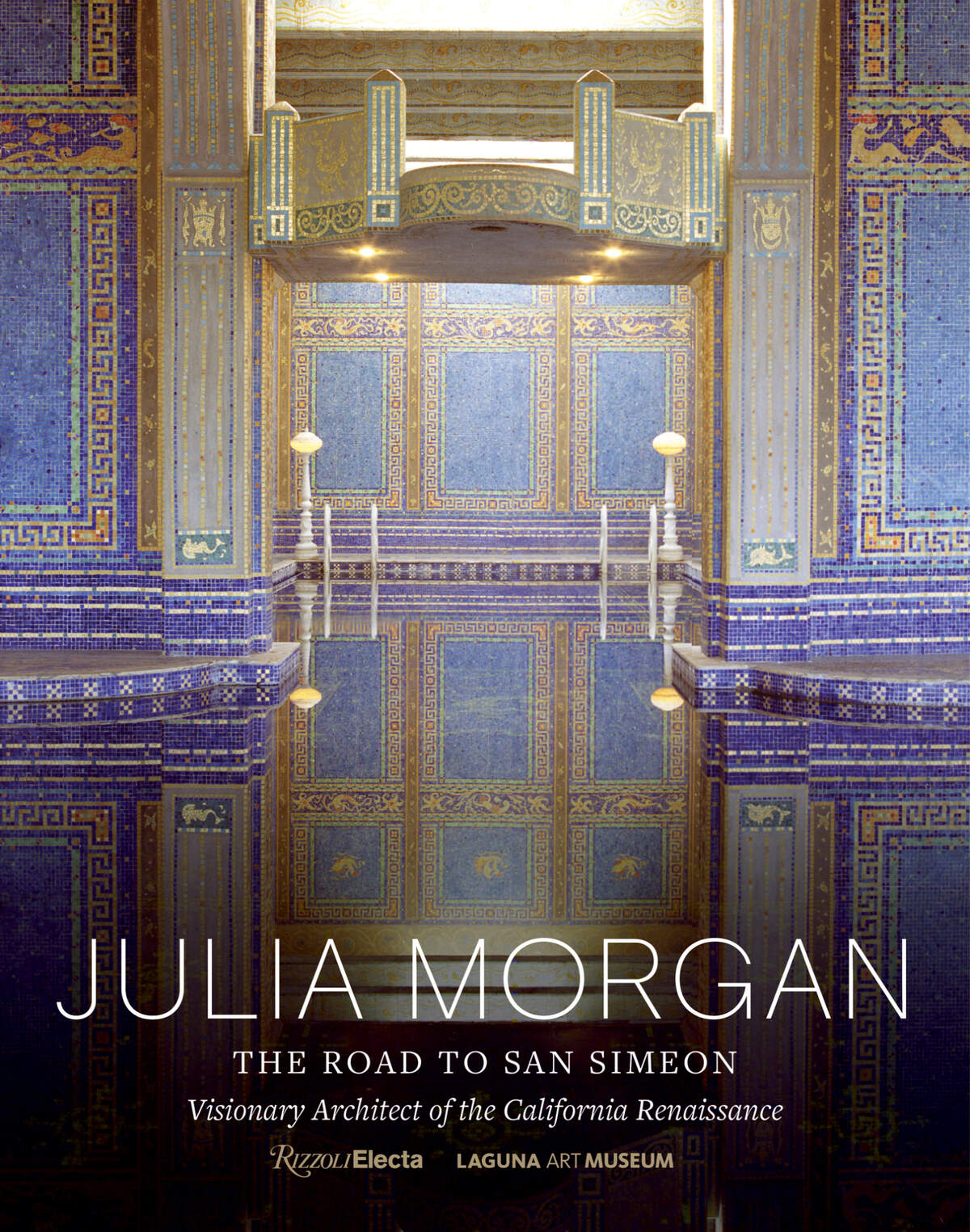
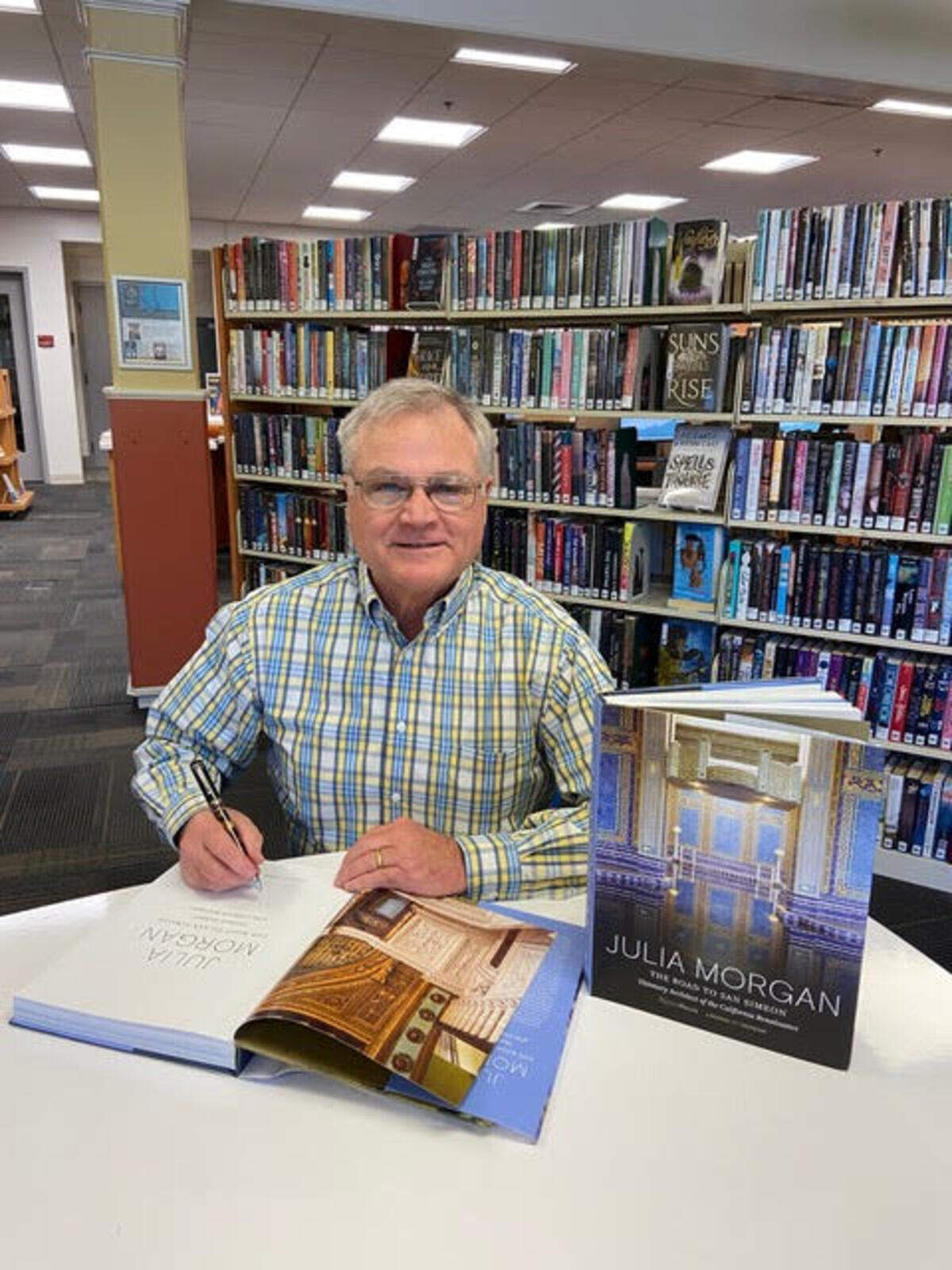
“Julia Morgan: The Road to San Simeon, Visionary Architect of the California Renaissance” was published by Rizzoli Electa in May.
Four of the writers have ties to San Luis Obispo County, including Cal Poly architecture graduates Johanna Kahn and Jeff Tilman.
Another local contributor was author and former Castle historian Victoria Kastner, whose own book about Morgan was released earlier this year.
Who was Julia Morgan?
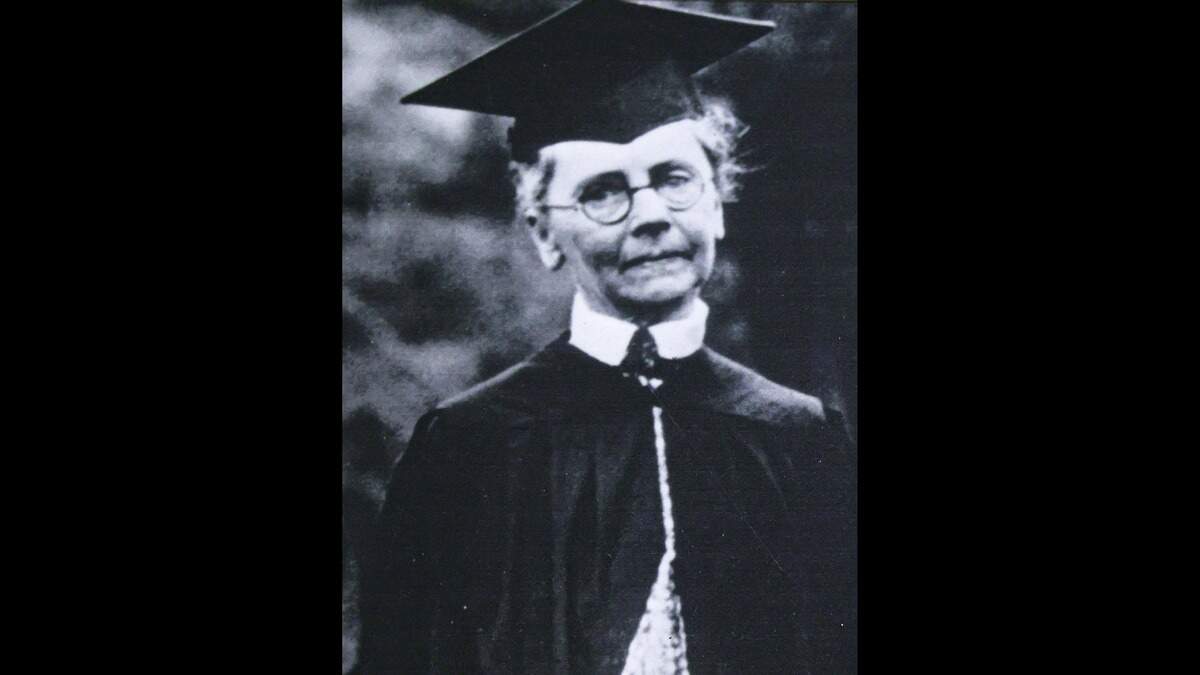
Morgan, who was born 150 years ago in 1872, accomplished many firsts during her life.
She was the first woman to earn a civil engineering degree from UC Berkeley, the first female graduate of the École Nationale Supérieure des Beaux-Arts in Paris and the first licensed woman architect in California.
During her decades-long career, Morgan designed about 700 structures in the West, mostly in California.
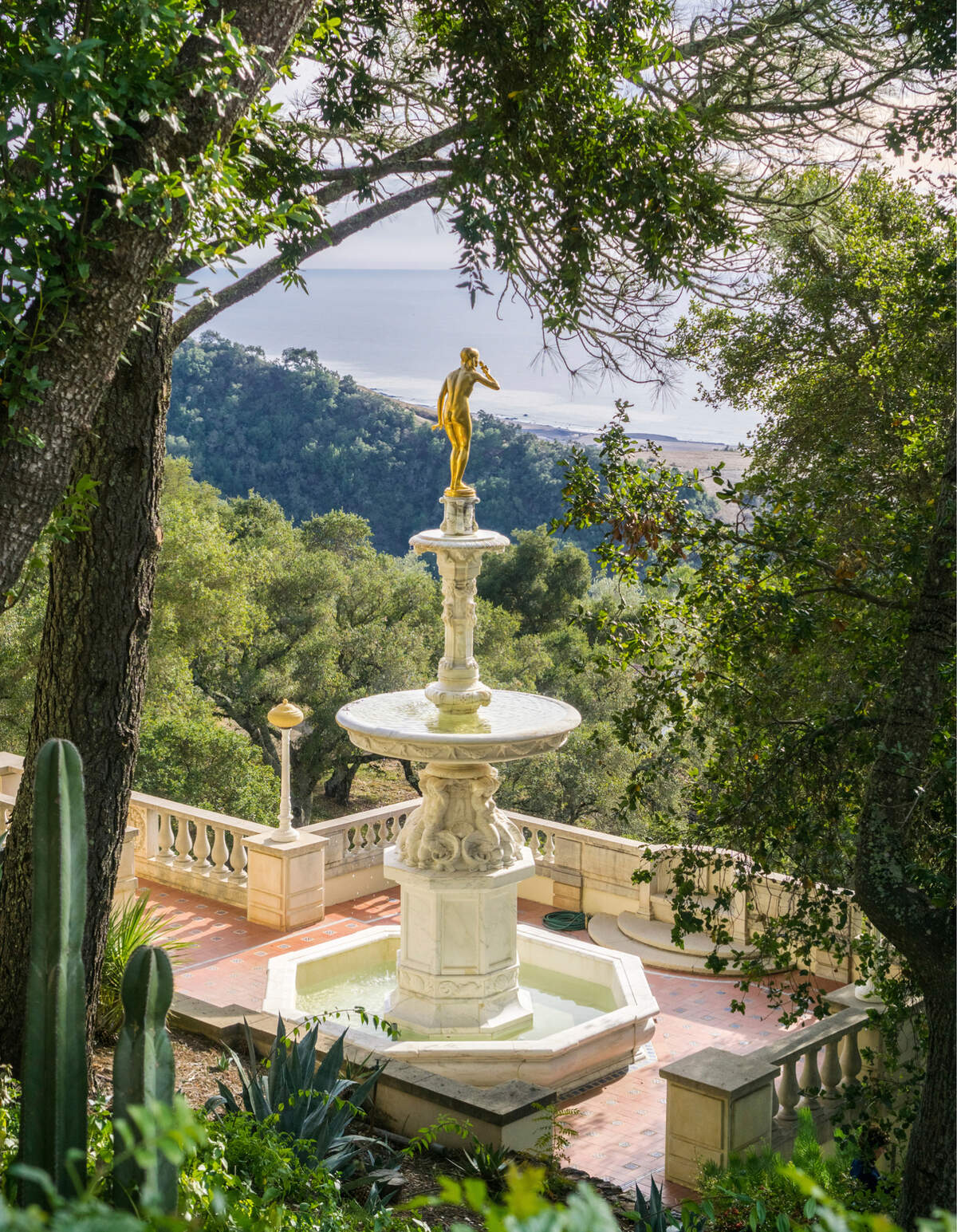
She and Hearst worked side-by-side as equals during their collaboration at the sprawling estate known as La Cuesta Encantada (“The Enchanted Hill” in English), which started in 1919 and spanned nearly three decades.
That someone with Hearst’s wealth and clout would defer to Morgan — albeit arguing with her beforehand — was virtually unheard of at the time.
In addition to Hearst Castle and Hearst-owned buildings in Old San Simeon Village, her projects included the Monday Club in San Luis Obispo, the sprawling Asilomar complex in Pacific Grove and the Los Angeles Examiner and San Francisco Examiner buildings.
She also oversaw the rebuilding of the San Francisco’s Fairmont Hotel, following the devastating 1906 earthquake.
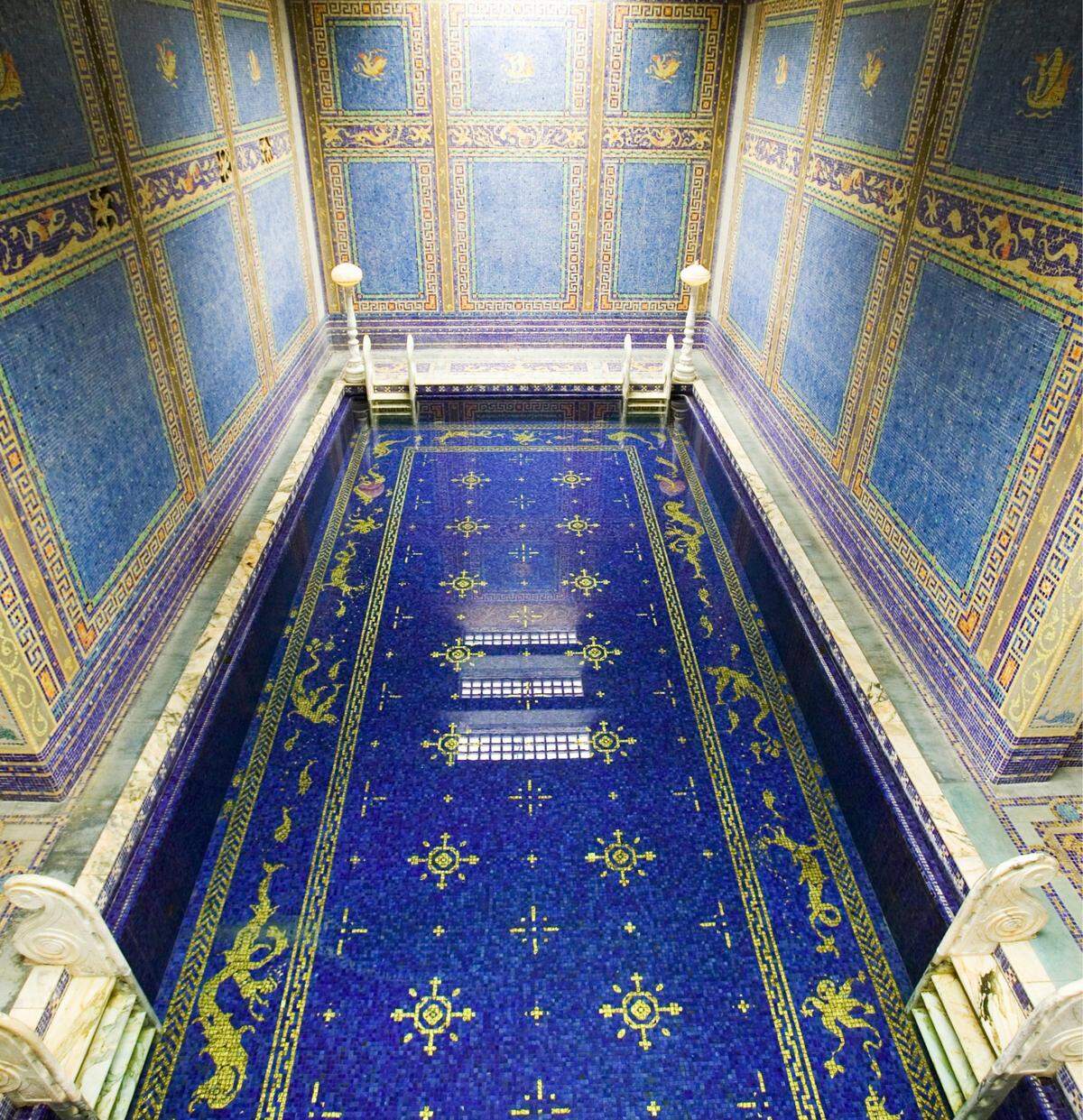
Morgan was a pioneer in using reinforced concrete in her buildings, helping them survive disasters such as the 2003 San Simeon earthquake.
Her many accomplishments have been celebrated widely in recent years. She became the first woman to receive the American Institute of Architects’ highest award, the AIA Gold Medal, in 2014.
There’s a special exhibit about Morgan at the Hearst Castle Visitor Center and a new tour at the Castle focusing on her contribution to Hearst’s estate, now a heavily visited state historical monument.
Her life and works are also the focus of an exhibit at Cal Poly’s Robert E. Kennedy Library.
Book explores Hearst Castle architect, era
According to Fuglie, the director and head of curatorial affairs for the Central California Museum of Art, the latest book to explore Morgan’s legacy looks at “Hearst Castle, Morgan and the cultural epoch in which she worked.”
“It surveys California architecture circa 1890 to 1930,” he said, “focusing on Morgan and her California colleagues who were trained at the Ecole des Beaux-Arts, Paris, and used its style in their architectural design” as well as “the rigorous course of study they underwent to graduate from the Ecole” and “Morgan’s unique circumstances for studying at the Ecole.”
“It is the most advanced and thorough study ever done on these topics (and is) the definitive and comprehensive study of its subject,” Fuglie said about “Julia Morgan: The Road to San Simeon.”
In addition to serving as the book’s editor, he also contributed some chapters about how Beaux-Arts architecture affected the American Renaissance in California and at Hearst Castle.
Since 1980, Fuglie has worked as an art and architecture historian and exhibition curator.
He’s been working on an exhibition of Morgan’s drawings and designs since 2017, but the Laguna Art Museum postponed the show until 2024 due to the COVID-19 pandemic, Fuglie wrote via email.
“There never has been an art museum display of Morgan’s designs — believe it or not!” Fuglie wrote.
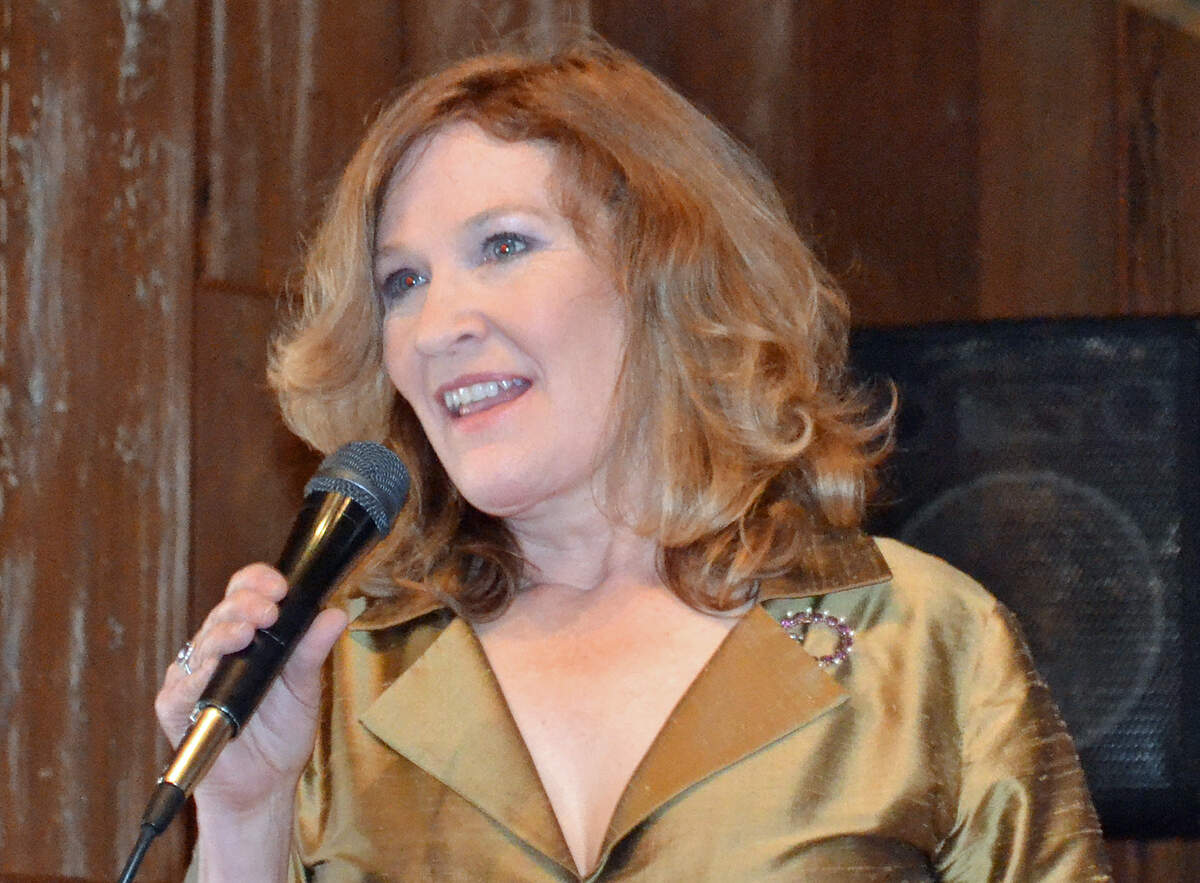
Another book contributor, Kastner, has written often about Morgan and Hearst’s many inspirations for the Castle.
When Kastner began working as a Castle trainee tour guide in 1978, she was told simply that “the Castle was designed by a woman, but we don’t know much about her.”
The author, who lives in Los Osos, has dedicated much of her life to correcting that lack.
“Julia continues to amaze and impress me,” Kastner told The Tribune in February, “even when she’s writing to herself in her diaries. She had such nobility of self.”
Kastner’s book “Julia Morgan: An Intimate Biography of the Trailblazing Architect” was published by Chronicle Books in March.
In her contribution to “Julia Morgan: The Road to San Simeon,” Kahn explores the Oakland YWCA Building, a Renaissance-style palazzo designed by Morgan.
Kahn, a senior architectural historian and archival researcher in the Bay Area, lives in Sacramento.
In addition to a bachelor’s degree from Cal Poly, she holds a master’s degree in architectural history from the University of Virginia.
Tilman, a Cal Poly grad who now teaches at the University of Cincinnati, delves into Morgan’s trials, tribulations and successes during her years at Ecole des Beaux-Arts in Paris, where architecture had previously been taught to men only.
Other contributors to the anthology include Karen McNeill, who lives in Berkeley,.
According to the Laguna Art Museum, she’s an expert on Morgan.
“Her scholarship focuses on women and gender in the architectural profession, as well as how Progressive Era women use the built environment to expand their roles in society,” the museum said in an August news release.
In the book, McNeill focuses on the Parisian foundations of Morgan’s styles, and her experiences at the Ecole des Beaux-Arts.
Elizabeth McMillian, a semi-retired architectural historian and former lecturer at USC, lives in a coastal exurb of Tijuana, Mexico.
In “Julia Morgan: The Road to San Simeon,” she writes about Morgan’s Beaux-Arts vision for the Hearst Los Angeles Examiner Building. McMillian and Fuglie were student interns in the same Getty Museum department in 1980 and 1981.
The late Kirby William Brown’s contribution to the book is an essay on the tiles at Hearst Castle, and a rewrite of the his book “California Faience.”
That was Brown’s last publication; he died in 2019.
Brown, who had been a resident of Manteca, was the grandson of William Bragdon, a co-founder of Berkeley’s California Faience, an influential arts and crafts tile producer for the period. The firm used Morgan’s designs and turned them into tiles for the Castle.
Fuglie said that “part of Kirby’s motivation to publish on the state’s faience stemmed from a visit to Hearst Castle where he heard the tour guide claim that all the decorative tiles were produced in Italy.”
The end result of the alliance between those authors is a scholarly tome filled with Morgan’s drawings, photographs of her accomplishments and musings on the history of the time and her unusual collaboration with Hearst.