Dozens of SLO County bridges are in poor condition. Here’s where and what’s being done
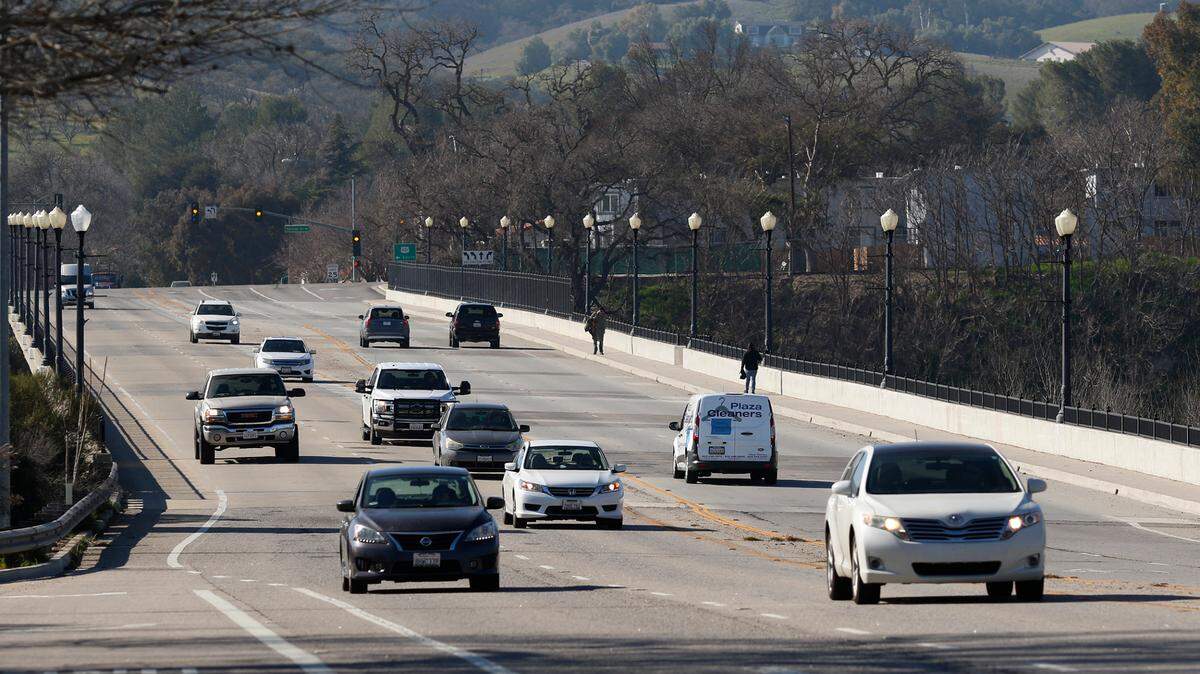
Every day, tens of thousands of San Luis Obispo County motorists drive across bridges that are in poor condition — but an infusion of federal money could help fund repairs in coming years.
At least 23 bridges from San Miguel to Nipomo have structural issues and require substantial fixes, according to U.S. Department of Transportation data. They range from rural county-maintained bridges that cross small waterways to large state overpasses that span highways and railroad tracks.
Some help could be on the way in the form of new federal infrastructure dollars. U.S. Rep. Salud Carbajal on Feb. 2 announced California will receive $4.2 billion for bridge repairs over five years from President Joe Biden’s infrastructure spending bill, which he voted for last year.
But how much of that money will help repair crumbling San Luis Obispo County bridges?
Local officials say it will likely at least provide funding to put a dent in the bridge repair and replacement backlog that’s developed since the last major federal infrastructure cash infusion.
“It just means we’re going to have a little bit of breathing room to catch up on deficiencies for these last few years,” said Joshua Roberts, county Transportation Division manager. “The county does not expect to see any acceleration in our bridge program due to the new funding. What we do hope to see is that the funding is secured and we can advance these projects on track with our internal schedules.”
Which SLO County bridges are in poor condition?
The county has a collection of city, county and state bridges that require major repairs or need to be replaced.
Federal law requires states to inspect all bridges that are 20 feet or longer every two years, including those maintained by counties and cities. Caltrans performs these inspections and assigns bridges a condition based on three structural elements.
Bridges are made up of a deck, or top surface; a superstructure, or the deck support; and the substructure, or the pillars and beams that support the deck and superstructure.
Inspectors assign each of the components a score, and the lowest-rated section determines the bridge’s overall condition. A score of 7 or more is considered good, a score of 5 or 6 is considered fair and a score of 4 or less is considered poor.
The county bridges in poor condition are maintained by cities, the county and Caltrans, depending on their locations. The Federal Highway Administration’s database lists inspection results from 2019.
Most of the lower-rated bridges are in the North County, including four poorly rated bridges in San Miguel, alone.
Many of the bridges in poor condition have low-rated decks. For example, the Niblick Street bridge in Paso Robles — which the city maintains — has a deck that received a score of 4, but its superstructure and substructure both received grades of 7.
The bridges in the worst condition are mostly county-maintained structures in very rural areas. The lowest-rated structure was the bridge that spans Huer Huero Creek on North River Road northwest of Paso Robles.
That bridge received a superstructure rating of 2 and a substructure rating of 1. The county closed it for repairs in August 2019, and reopened it in September after restricting it to one lane.
The Encina Avenue bridge over Yerba Buena Creek in Santa Margarita and the Toro Creek Road bridge over Toro Creek between Morro Bay and Atascadero are two of the other worst-rated bridges in the county.
So, should motorists worry about driving on poorly rated bridges? A Pittsburgh bridge that had been rated in poor condition recently collapsed, drawing attention to the federal bridge rating system.
Roberts said Caltrans tends to operate “on the more much more conservative and of the spectrum” as far as bridge ratings go, in his experience.
“For instance, the work that was performed on River Road over Huer Huero back in 2019, those repairs were definitely enough to breathe a lot of life back into that bridge,” he said. “And it was an abundance of caution to close it on the part of both the county and recommendation by Caltrans.”
When will poorly rated bridges get fixed?
Bridge repairs and replacements are very expensive, and it usually takes years for local agencies to get the necessary funding.
The county and cities rely on federal funding matches to help pay for bridge work, which has gotten more expensive over time, said Roberts, the county Transportation Division manager. Bridges typically have to qualify for a federal list that puts them on track to receive funding.
In addition to the bridges in poor condition, there are also those that need earthquake retrofitting. The county had 17 federally listed bridges that needed to be replaced or required significant work in 2015, according to a Board of Supervisors staff report from January 2021.
In 2021, the county had successfully replaced or retrofitted six of those bridges, which cost $17 million, the staff report said. The projects cost the county $1.5 million in matching funds, and the Federal Highway Administration/Caltrans covered most of the expenses.
Roberts said previous federal transportation bills have provided much-needed bridge repair and replacement dollars, but the projects have become more expensive and complex over time.
“There’s been general construction cost increases,” he said. “Labor costs more, materials significantly more. Bridges have become more complicated from the federal requirements. And they’ve also just become more complicated, because we tend to do the easy ones first.”
Some of the poorly rated bridges are in the funding pipeline and are currently awaiting repairs or replacement.
The county temporarily repaired the North River Road Bridge over Huer Huero Creek, but staff is currently working to get it into Caltrans’ funding system.
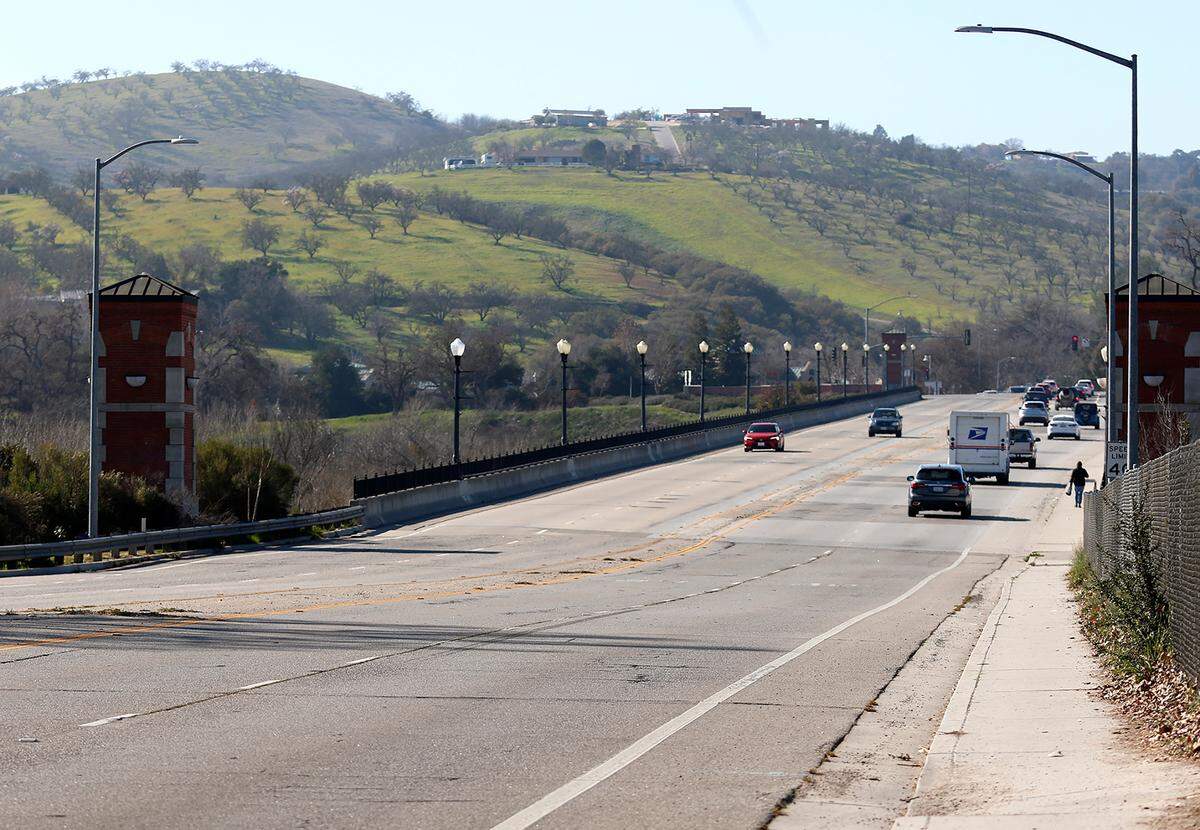
The county also has plans to fix the Encina Avenue bridge over Yerba Buena Creek in Santa Margarita, as well as the Toro Creek Road structure. Roberts said the county has a list of seven bridge projects it hopes to complete during the next five years or so. It’s also advancing another seven bridges to get funding for their replacement.
Paso Robles also plans to reseal the deck of the Niblick Road bridge, which is awaiting funding on a Caltrans list. It will cost $3 million for sealing work on that bridge, along with the city’s 13th Street bridge, said Ditas Esperanza, capital projects engineer.
“We started this many years ago and applied for funds,” she said.
Roberts said maintaining bridges is especially important in a rural area like San Luis Obispo County, as problems with even small bridges can seriously impact residents’ lives.
“In a rural county like ours, (not) having bridges also means potentially cutting off access or significantly reducing access for our residents,” he said.