
It’s getting cold out there on the Central Coast. Here’s what fosters a frosty forecast
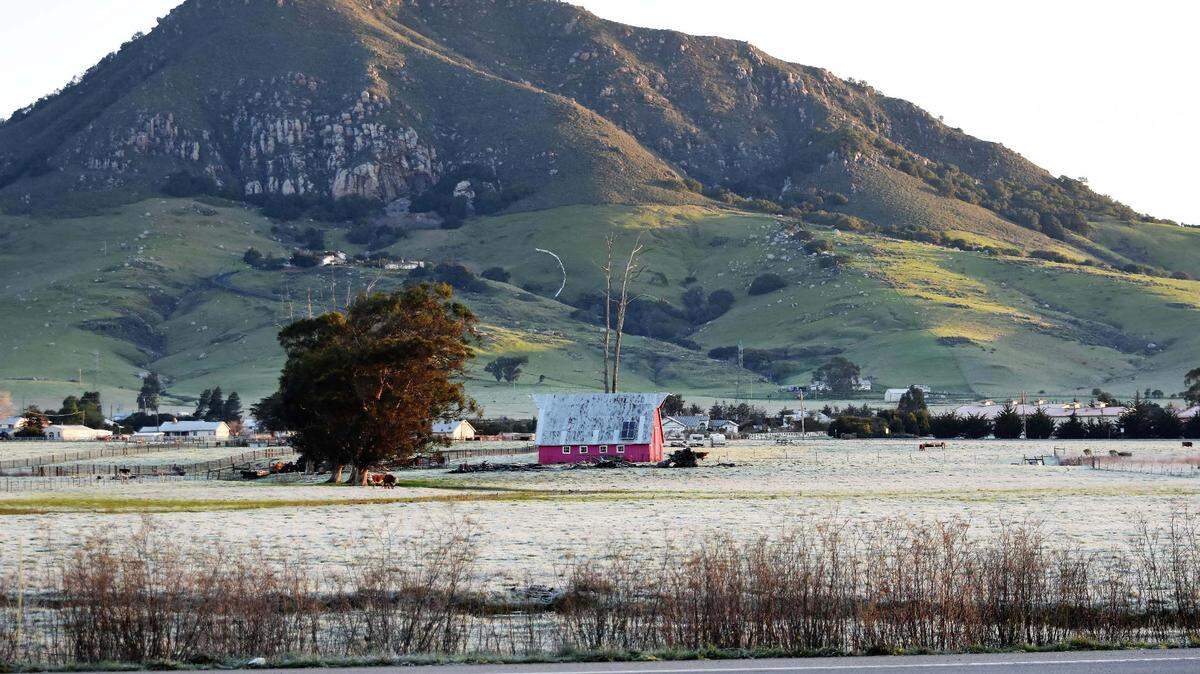
A vast 592-decameter upper-level high-pressure system centered about 2,200 miles west of Washington state is diverting the upper-level winds, like a boulder in a fast-moving stream, northeastward over the Aleutian Islands into Alaska where it cools, before descending southeastward along the West Coast of the United States to the Central Coast.
I have been forecasting since 1991, and I do not recall such a mighty ridge in this area during winter.
This system will continue to bring in cold air from the Arctic, producing well below seasonal temperatures and allowing storms out of the Gulf of Alaska to bring rain and low-elevation snow through the end of the year.
What a significant change from last year when the Eastern Pacific High was firmly anchored off the coast of California, driving storms into the Pacific Northwest and keeping most of our state dry.
As of Dec. 27, Rocky Butte has recorded more than 24 inches of rain, more than half its seasonal (July 1 through June 30) average of 40 inches.
Over 11 inches of rain has fallen at Cal Poly (home of climatology in San Luis Obispo) or about half of its average seasonal rainfall of 22.40 inches. So far, Paso Robles Airport has recorded nearly 5 inches of rain in December, more than three inches above its normal amount for the month. The Santa Maria Airport has reported almost 6 inches of rain, also about half of its seasonal total of 13 inches.
Clear and still nights have produced below-freezing temperatures and near-perfect stargazing conditions in between storms. After the bright glare of last week’s moon descended below the horizon, the Milky Way resembled a backbone stretching across the night sky.
Closer to the ocean, overnight lows have remained mainly above the freezing level, but Jack Frost has still developed. This condition leads to the question, how can this happen? Here is why.
On these clear and calm nights, roofs, cars, and other things near the Earth’s surface cool rapidly by emitting infrared radiation and actually become colder than the air surrounding them. In other words, your thermometer may indicate air temperatures above freezing, but your car windshield is shrouded in ice as you get ready to drive to work or school.
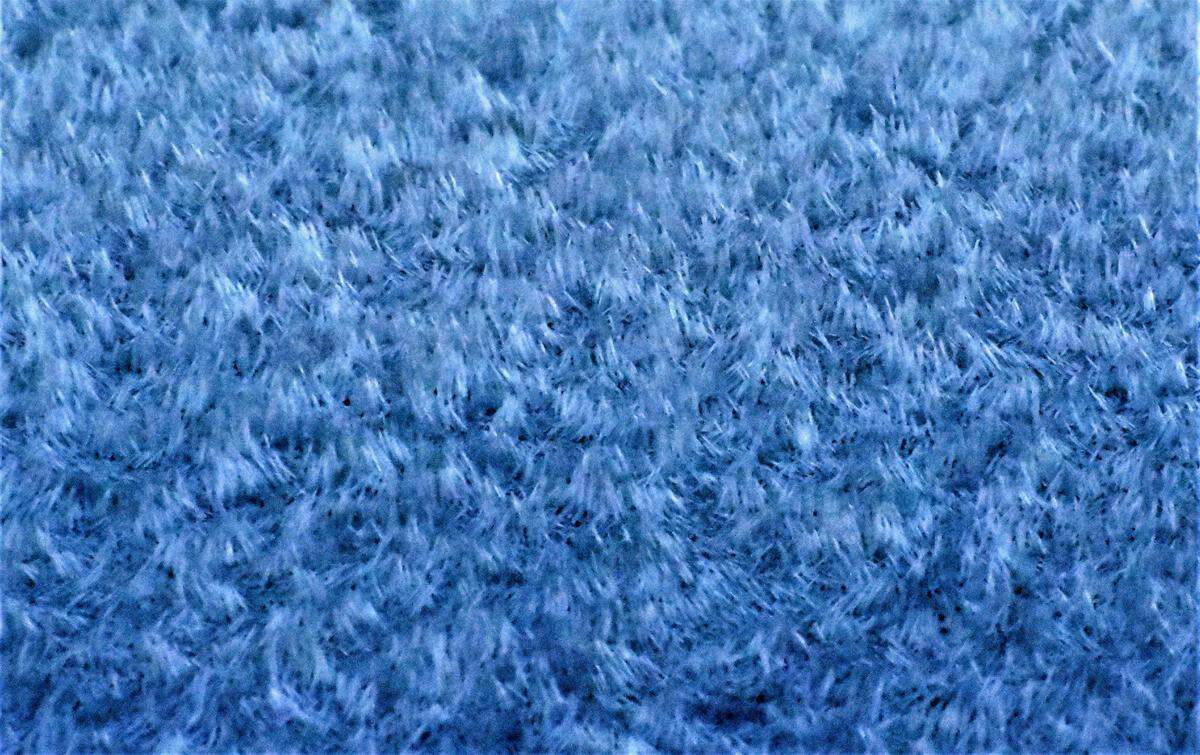
As the relatively warmer air comes in contact with these cold surfaces, like blades of grass or leaves on a tree, it eventually cools to its dew-point temperature. If the temperature of the air immediately surrounding the object should drop to 32 degrees or below, the dew will freeze, becoming tiny beads of ice called frost.
The dew point is the temperature at which air becomes saturated. At that point, the air can no longer hold all of its water vapor. Some of it condenses into water or ice, as dew or frost. Thus dew point is simply the temperature at which dew forms.
Usually, the air temperature can never be colder than its dew-point temperature. When the dew-point temperature and air temperature are the same, the relative humidity is 100 percent.
Frost is more likely to develop on clear and calm nights than when it’s windy and cloudy during the hours of darkness. When conditions are calm, denser cold air flows downward along mountain slopes and accumulates in the valleys. Even when the land is only gently contoured, the cold air will gather in the low-lying areas. Often valley floors will be much colder than the surrounding hillsides. The long and clear nights this week have allowed more of the atmosphere’s heat at the surface to radiate out in space.
On the other hand, if the skies are overcast, the clouds act like a blanket keeping the temperatures warmer. If it’s not calm, the winds will mix the cold air at the surface with the warmer air above, giving warmer temperatures. That is why wind machines and helicopters effectively prevent frost in vineyards during budbreak in the early spring.
Another challenge with below-freezing temperatures is hazardous driving conditions. The abundance of moisture combined with the cold temperatures this month could create a dangerous glaze of ice, creating slick spots on our roads, especially on overpasses and bridges. The ice that forms on our highways is called “black ice” because it’s transparent on the dark asphalt and is nearly invisible to the driver.
So why are elevated roadways more susceptible to ice?
Overpasses and bridges are often made from steel or concrete, which are better conductors of heat than the asphalt connected to the ground. In other words, bridge surfaces freeze more quickly because they exchange more of their infrared radiation to the air and space due to more significant amounts of exposed surfaces.
PG&E safety message
According to the California Highway Patrol, when driving in icy conditions: “Slow down. A highway speed of 55 miles an hour may be safe in dry weather but an invitation for trouble on snow and ice. Snow and ice make stopping distances much longer, so keep your seat belt buckled and leave more distance between your vehicle and the vehicle ahead. Bridge decks and shady spots can be icy when other areas are not. Remember to avoid sudden stops and quick direction changes.”
This story was originally published December 28, 2021 at 5:00 AM.