
Launch of rocket, NASA satellite from Vandenberg delayed for at least a week. Here’s why
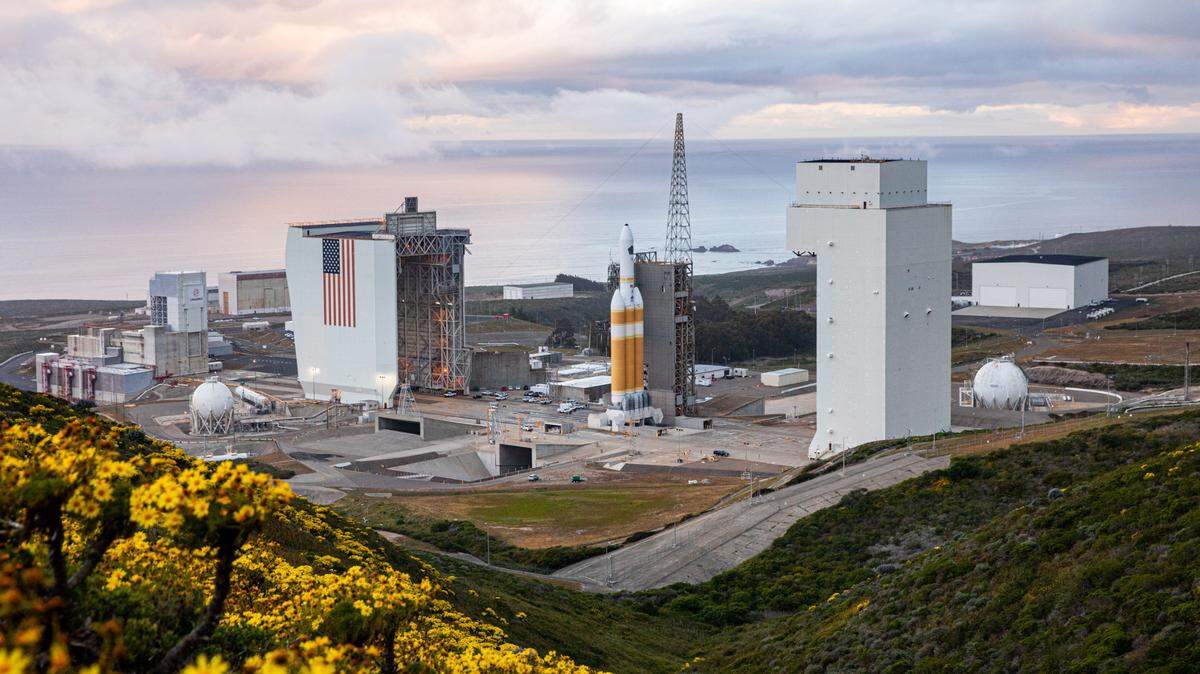
The launch of an Atlas V rocket and its Landsat 9 satellite from Vandenberg Space Force Base will have to wait at least a week due to liquid nitrogen delivery delays blamed on the COVID-19 public health crisis.
Instead of Sept. 16, the mission now won’t occur any earlier than Sept. 23, with the launch date under review by NASA and United Launch Alliance representatives, officials said Friday.
“Current pandemic demands for medical liquid oxygen have impacted the delivery of the needed liquid nitrogen supply to Vandenberg by the Defense Logistics Agency (DLA) and its supplier Airgas,” NASA said in a written statement.
“Airgas converts the liquid nitrogen to gaseous nitrogen needed for launch vehicle testing and countdown sequences. DLA and Airgas now have implemented efforts to increase the supply of liquid nitrogen to Vandenberg,” NASA added.
Earlier this week, a Space Exploration Technologies official also shared a concern about liquid oxygen difficulties delaying their missions, according to media reports.
The firm’s manifest has included a Falcon rocket launch planned for September from Vandenberg.
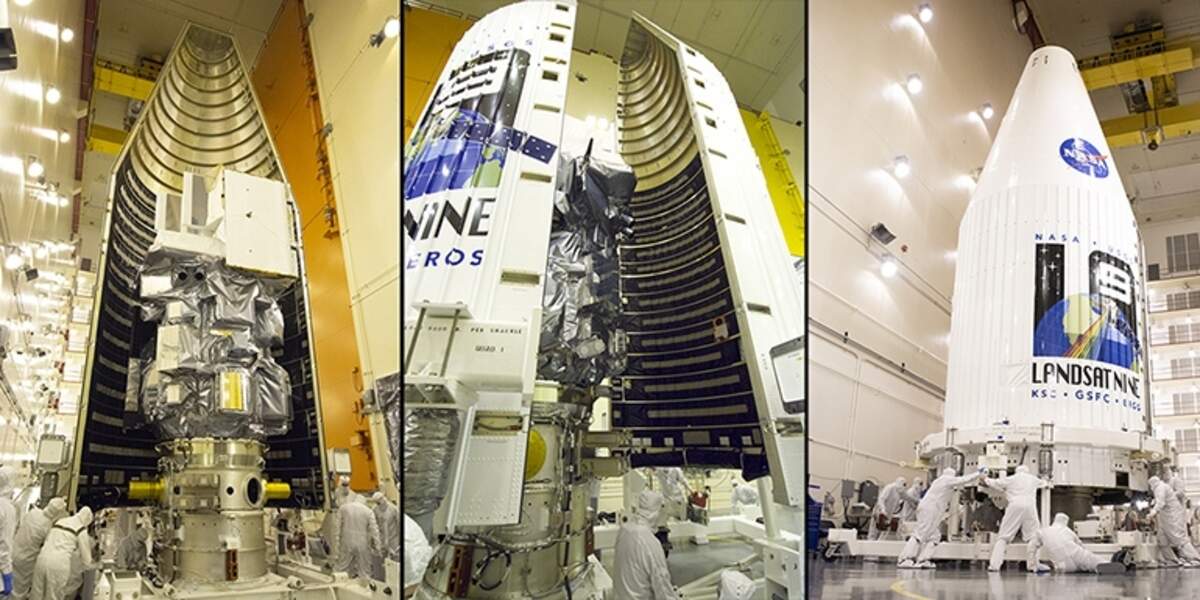
Landsat 9 is a joint NASA and U.S. Geological Survey (USGS) mission that continues the five-decade legacy of monitoring Earth’s land and coastal regions.
Earlier this month, crews stowed the satellite inside the payload fairing, or the rocket’s nose cone, completing one more key chore ahead of the launch.
The satellite was first attached, or mated, to a ring known as a payload adapter.
The Landsat era began in 1972 with the first launch from Vandenberg, also home to the later missions in the decades since then.
ULA’s Atlas V rocket will carry the spacecraft into orbit upon liftoff from Space Launch Complex-3 on South Base.
A number of other activities have been planned in the Lompoc Valley in conjunction with this mission including dedication of new mural celebrating the 50th anniversary of the Landsat program.
It’s likely the launch delay will alter the schedule for various activities planned in connection with the Atlas V rocket launch of Landsat 9.
USGS officials said Friday that launch week event dates will be updated as soon as possible.