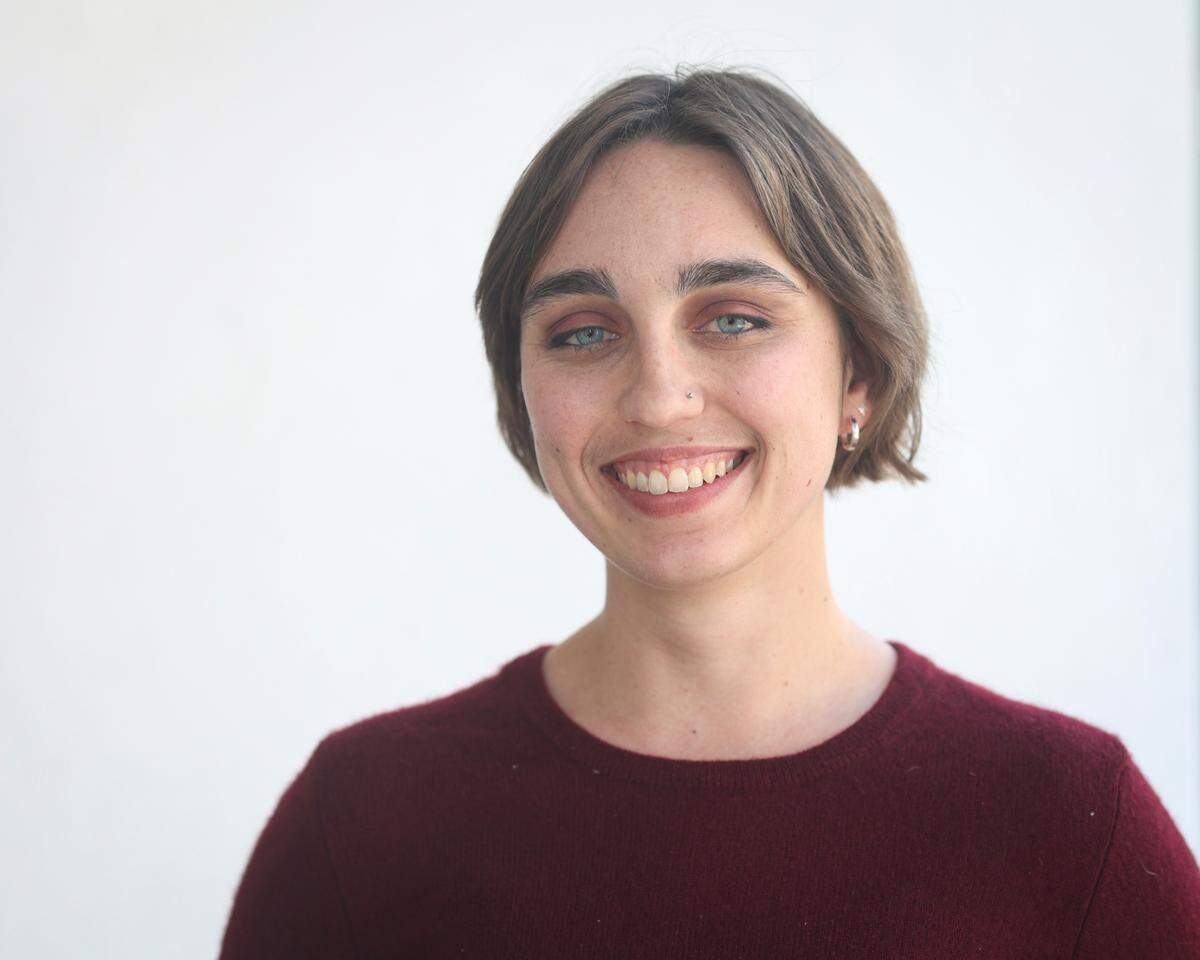
As a teenager, SLO woman lived on the street. Now she helps homeless community members
Michelle Mansker pulled a wagonful of tri-tip sandwiches, water bottles, fruit, snacks and socks through downtown San Luis Obispo last Thursday, distributing the contents to unhoused community members.
“I’m running out of thumbs,” one man laughed, as she piled a sandwich, coleslaw, cookies and a banana into his hands.
Mansker addressed each person by name if she knew them, and asked which supplies they wanted as if taking their order at a restaurant.
A vegetarian didn’t want a sandwich but asked for coleslaw. A woman in a wide-brimmed hat asked for two oranges instead of a banana. One man asked Mansker if she had razors, so she popped into CVS to find him some.
The key to supporting unhoused individuals is to “meet them where they’re at,” she said. Go to where they live, ask them what they need and fulfill that need.
Mansker, a 42-year-old San Luis Obispo native, is a founding member of SLO Street Medics, a 15-member local organization established last summer to provide first aid to protesters. As protests dwindled, they shifted their focus to supporting unhoused individuals.
Slo Street Medics is funded by members and donations through Venmo. Community members also donate supplies like socks and food.
At least once a week, they distribute meals, hygiene supplies, Narcan and more in downtown San Luis Obispo.
Mansker, an at-home caregiver for Alzheimer’s and dementia patients, lived on the streets as a teenager. Her experiences as an unhoused youth inform how she supports that community now.
“It’s just about getting to know people and building trust with them,” she said. “Letting them know that it’s about what they want.”
An unstable childhood
When Mansker was about 6, her mother partied on the weekends and left her and her teenage brothers at home to care for their infant cousin.
“We were an afterthought to her,” Mansker said. “I ended up changing a lot of diapers.”
Mansker’s mother had borderline personality disorder, a mental illness characterized by extreme changes in mood, values and behavior, according to the National Institute of Mental Health.
Some days, she’d walk in the door and her mother would throw a shoe at her. Other days, her mother took her shopping and maxed out their credit cards. She said she never knew which version of her mother would be waiting for her when she came home, so she learned to read people quickly.
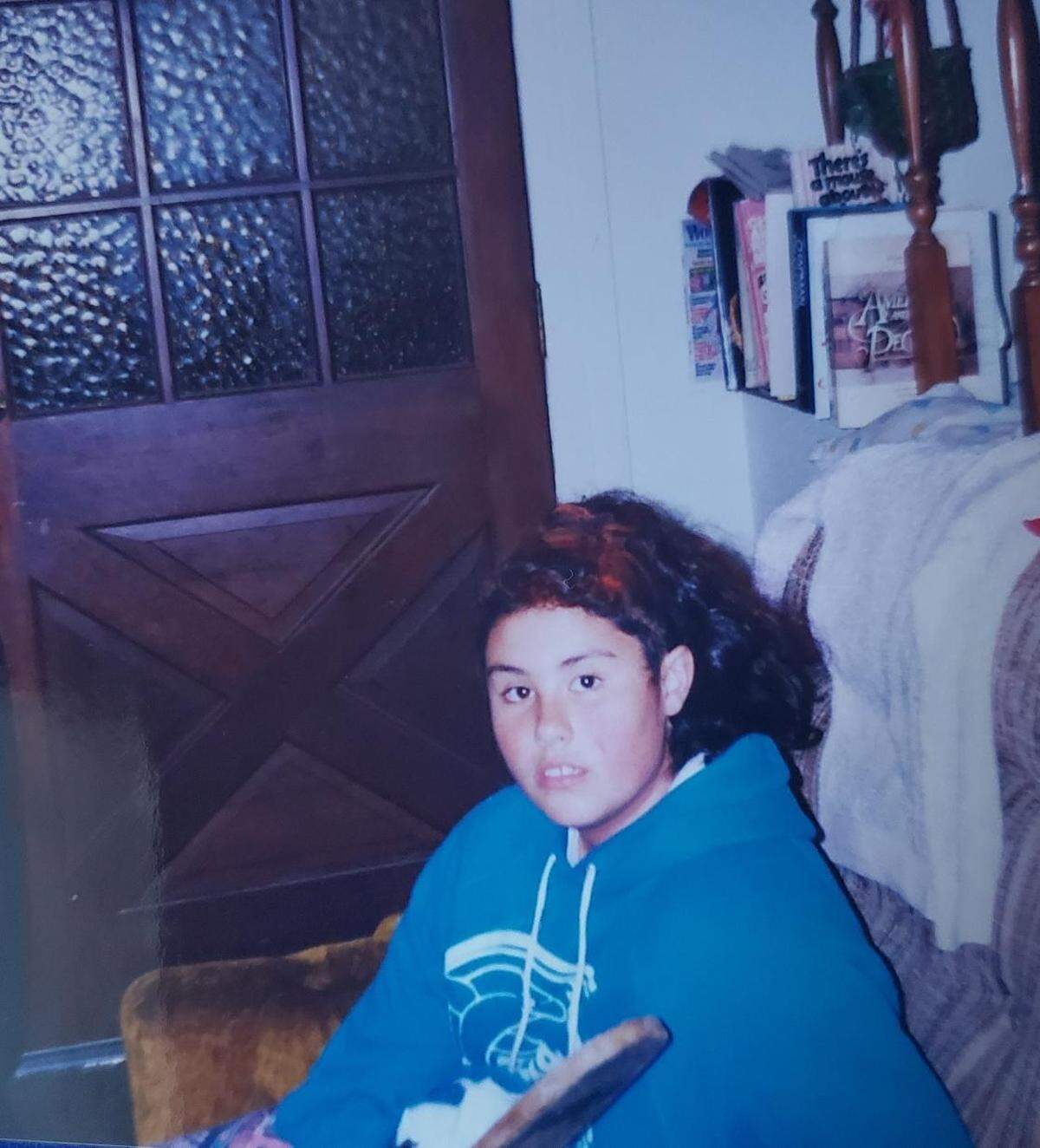
When Mansker was 12, a counselor recommended that she join foster care, and they shipped her to Monterey, where she bounced between foster homes, group homes, juvenile hall and back to her mother’s house.
“A lot of people were not very nice,” she said. “We were money to them, so they didn’t really care about helping us.”
She started smoking crystal meth at 12 and continued her entire childhood, only quitting seven years later at age 19, when she moved in with her boyfriend and his mother because she didn’t want to tell him she did drugs.
When she was about 14, her mother gave her a greyhound ticket and kicked her out. For years, she’d alternate between Los Angeles and Los Osos, where her mother lived.
When she was 16 and living in Lynwood in Los Angeles, she saw her boyfriend shot to death in the head, in broad daylight, on the street.
“That was really hard,” she said. “It took me awhile to feel OK about that.”
Five days later, she was shot in the hand in a drive-by. They were aiming for a man next to her on the street corner, who they shot eight times.
“It gave me a different perspective on how short life really is,” she said. “Some people put stuff off. Like, ‘Oh, in five years I’ll be able to stop and be happy,’ and like, you have to do it now.”
On the streets of Hollywood
When Mansker was 16, she made her way to Hollywood Boulevard, which was dotted with seven or eight drop-in centers and shelters for unhoused youth.
Lots of unhoused kids go to Hollywood because “it’s shiny and nice” in the movies, she said.
Contrary to what kids saw on TV, however, the Hollywood streets were dangerous. People fought for resources, and she had to watch out for predators — from pimps to money-seeking foster organizations.
“Living on the streets is hard, especially for a young, female-presenting person,” she said. “There were a lot of people trying to exploit us. ... You had to be really careful who you trusted.”
There, she found other unhoused teens, and they shared food and looked out for each other.
“We created our own family,” Mansker said.
She also spent time at the Los Angeles Youth Network.
But she said she didn’t trust adults, and was reluctant to ask Network employees for help.
“I was really angry,” she said. “I was that kid that went in there and didn’t want to talk to anybody. I didn’t want any help, because I didn’t trust them.”
Her mentors at the shelter gave her the space to decide if she could trust them, and when she did ask for help — be it for bus fare, food or advice, they were casual about it. This made them more approachable, she said.
“They weren’t like, ‘Oh my god, you finally need us.’ I would have been like, ‘Oh no, I actually don’t want your help,’” Mansker said. “They would just say, ‘OK, what do you need?’”
She said staff at the shelters taught her to value herself.
“(They) let me be who I was and didn’t expect me to be anything else,” Mansker said, and she’s still in touch with them today. “(I had) a safety net of people even if I didn’t want one.”
When Mansker was in her 20s, she realized she didn’t want to live on the streets anymore.
“I just kind of felt like, if I stay out here I’m going to die,” she said.
She moved back in with her mother, and worked towards permanent housing. She’s had housing for 18 years now, which motivates her to support others.
“I just want to help now that I’m in a position to be able to help people,” Mansker said.
Meeting a friend for life
Mansker met Sheryl Recinos, her best friend, at the Los Angeles Youth Network when they were about 16.
Mansker was sitting in the hallway at the shelter, and Recinos plopped down beside her to ask if she wanted to go shoplifting. They promptly left to steal T-shirts together.
“She was strong-willed and willing to speak her mind,” Recinos said of Mansker. “I found that very refreshing because a lot of people then weren’t very honest.”
When they were about 18, Recinos got pregnant and had nowhere to go. They ran into each other on a bus, and Mansker invited her to stay at her apartment.
“Since then we’ve been pretty much best friends,” she said. “She made such a huge, huge sacrifice for me, and she barely even knew me. She’s just always been a kind soul.”
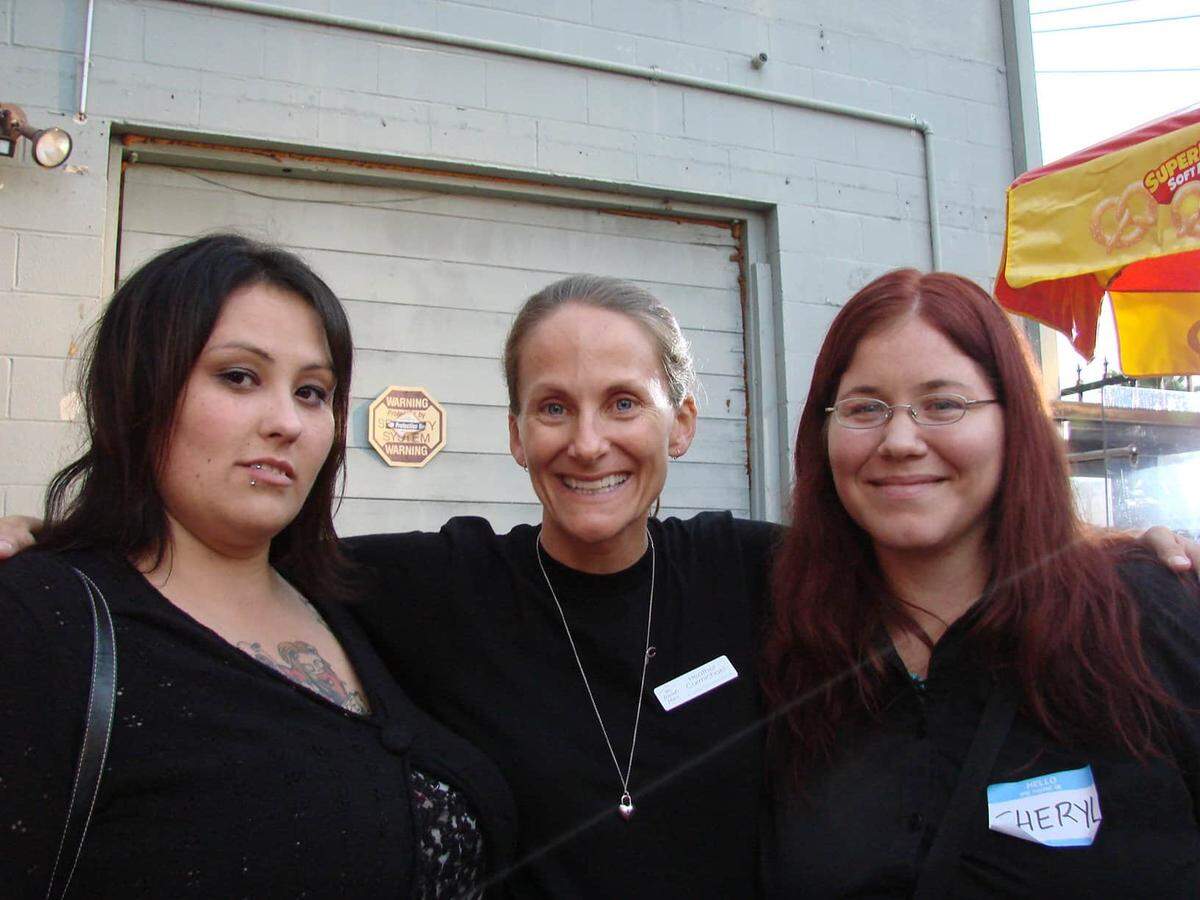
Recinos doubted that she would succeed as a mom, but Mansker always reassured her that she would.
“It was just really nice to have someone on my side for a change,” Recinos said. “I was a young, homeless, about to be teen mom and she didn’t judge me for that.”
Now, Recinos is a family practice medical doctor with three children, and Mansker is an at-home caregiver. They live in different cities, but are still best friends.
Recinos remembers visiting Mansker in San Luis Obispo with her children, and Mansker received a message on Instagram from an unhoused person who needed a sleeping bag.
She dropped everything to find him that sleeping bag.
“That’s such a beautiful thing,” Recinos said. “She wanted to raise him off the streets and make sure that he had food and, you know, resources, when a lot of people would have just gone about their business.”
“She is meeting them where they are, and she really feels like every single person deserves a chance,” Recinos said.
On hot days, Mansker distributes cold water bottles and supplies to unhoused folks, which she said is necessary because water fountains heat up.
She said the city should set up cooling centers on hot days. If the city can’t afford air conditioning, it could set up tarps with misters to help people cool down, she said.
Mansker said much of the unhoused community doesn’t trust the 40 Prado homeless shelter, as services fluctuate and aren’t individualized.
“Some of the unhoused people, they don’t feel heard,” Mansker said. “If they’ve been sort of wronged by the system before, they don’t expect people to help them.”
That’s where Mansker comes in. She fills in the gaps in services, and is happy to do so.
“As long as she has resources to provide, she’s going to make sure they get to the people,” Recinos said. “She’s still that person who will do anything to help someone else.”
This story was originally published July 26, 2021 at 5:00 AM.