
No visitors, no funerals: Families of 3 SLO County COVID-19 victims share their stories
READ MORE
Remembering those lost to COVID-19
The Tribune is working to share the stories of those lost to the coronavirus pandemic in San Luis Obispo County.
Expand All
No visitors, no funerals: Families of 3 SLO County COVID-19 victims share their stories
Here are the stories of the SLO County residents who have died from coronavirus
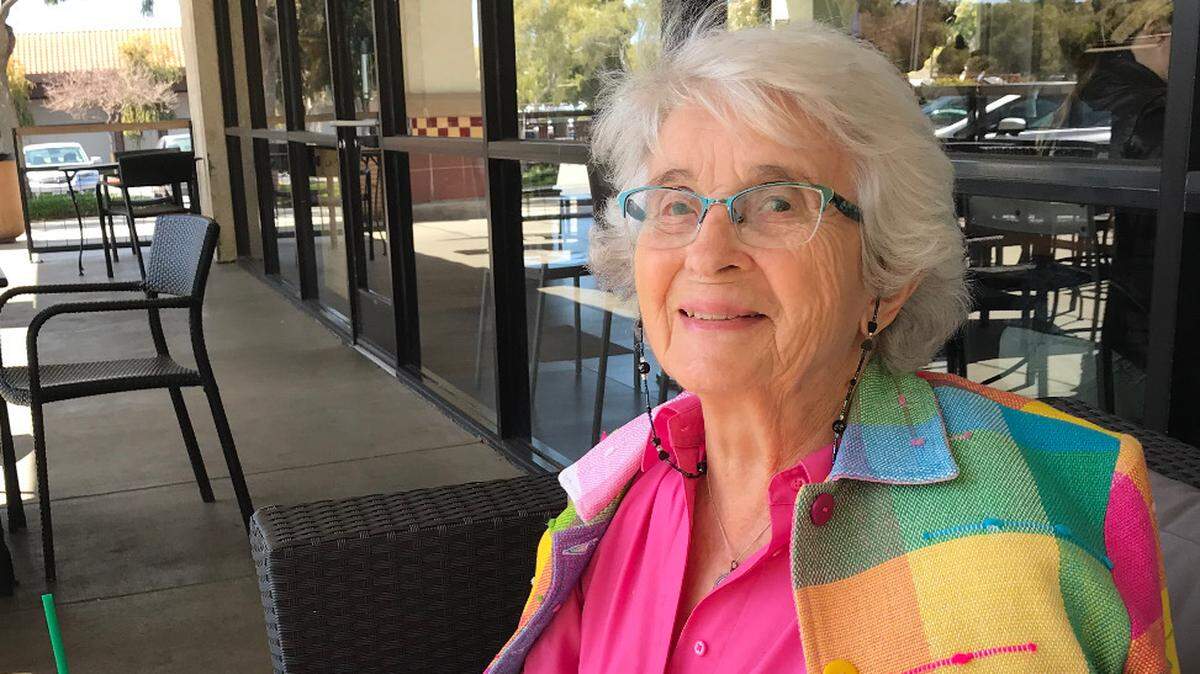
Remembering those lost to COVID-19: Karla Gibson was a SLO Realtor and a ‘shining star’
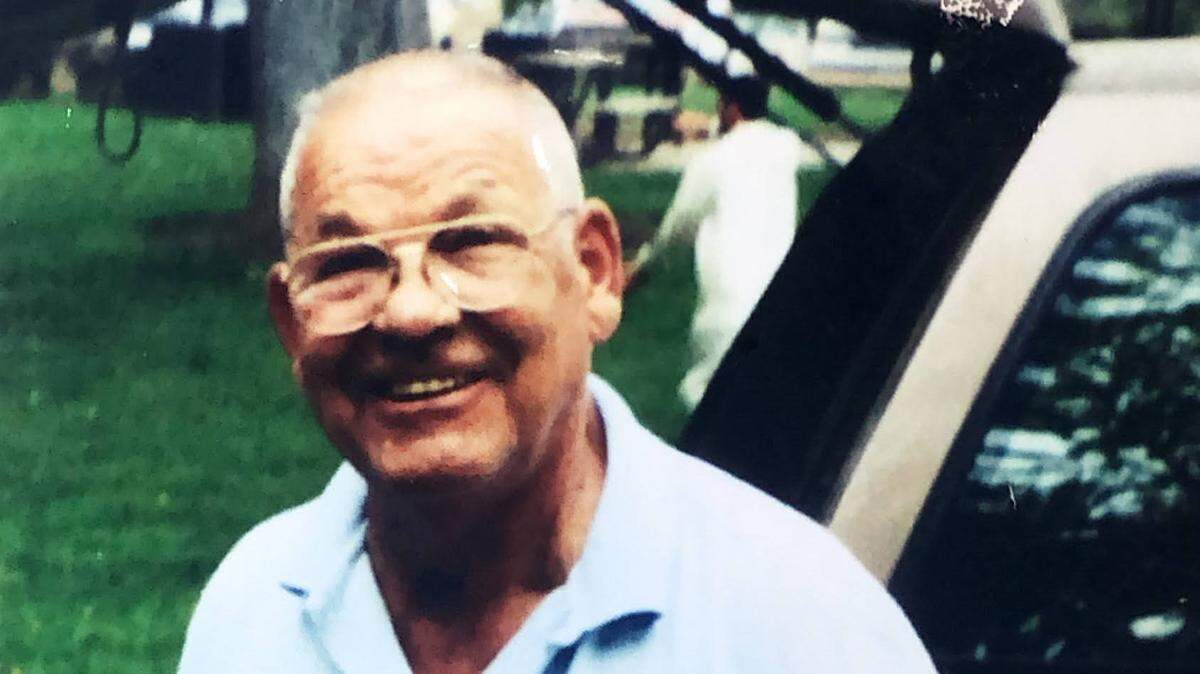
Remembering those lost to COVID-19: Bob Maxwell left his mark across Atascadero
Remembering those lost to COVID-19: Margery McGoff was dedicated Atascadero grandmother
The night before her mother died, Melinda Luce begged her father for help.
Staring at his picture on her nightstand, Luce prayed to her dad — who died in 2008 — to come take her mother away.
“I said, ‘We’re here, and you have to come take her,’ ” Luce said. “’Because it’s just torture.’”
For 10 agonizing days, Luce and her younger sister Lori Head had waited as their mother fought against a virus that burned like wildfire through her body and blazed a path of destruction through the Atascadero congregate care facility she lived in.
Sometimes they prayed that their mom would have a miraculous recovery. Mostly they waited for the phone call that would signal the end of their mom’s suffering. The entire time, they were barred from their mother’s bedside by the very thing that was slowly killing her.
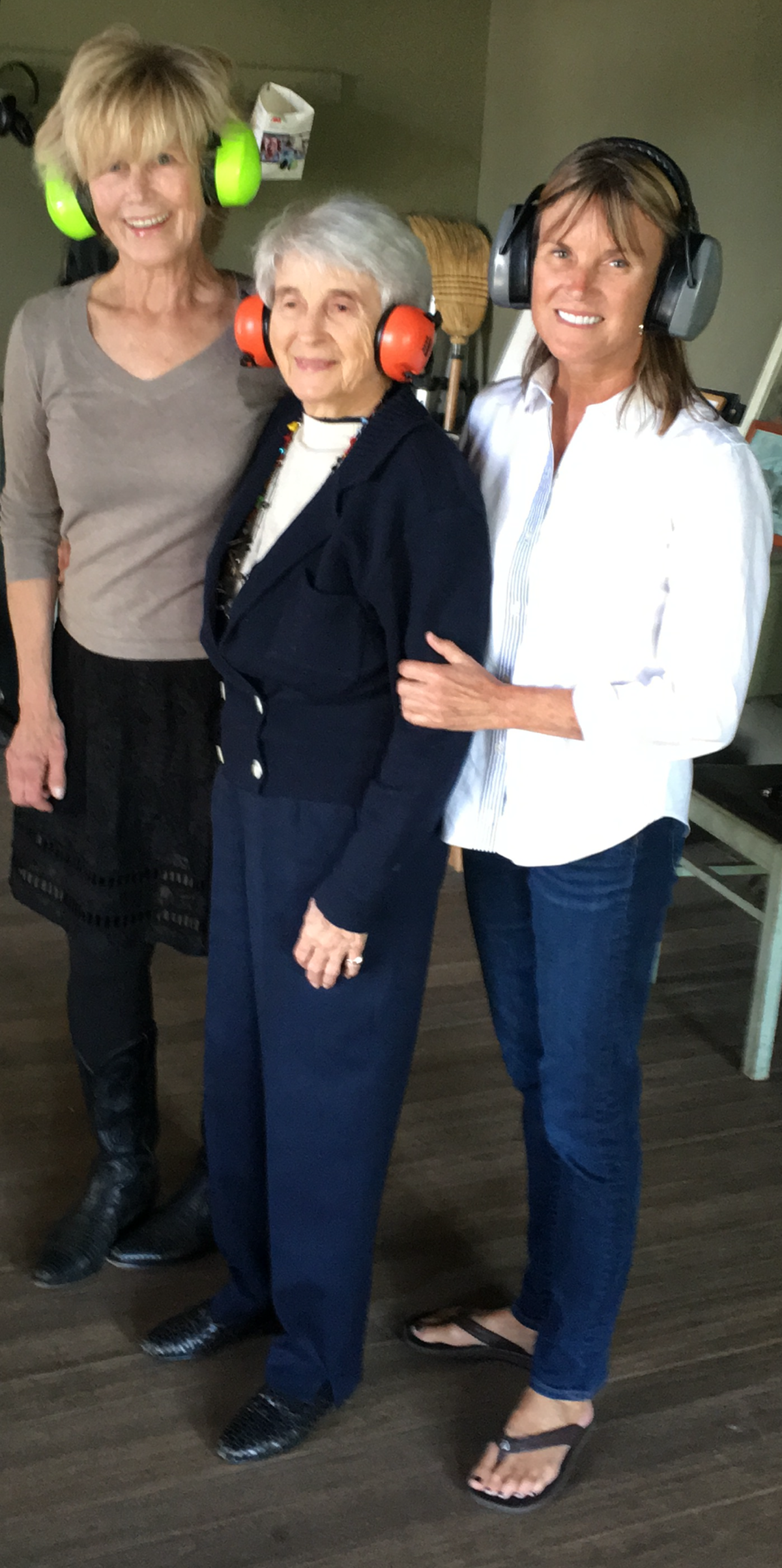
At 10:45 p.m. on July 24, Margery McGoff — an 88-year-old wife, mother, grandmother and great-grandmother who once disappeared to Mexico for months on a whim, and documented her life in dozens of boxes of photographs and video reels — died from complications related to COVID-19.
Her daughters were not allowed to view her body at the mortuary before she was cremated. Coronavirus denied them even that last opportunity for a final goodbye.
“It’s kinda hard to get that closure — it’s like she might be over there still,” Head said, three weeks after her mother’s death. “I wake up and feel like I’m in a fifth dimension.”
Coronavirus pandemic in SLO County
The story of Margery McGoff and her daughters is all too familiar in this time of COVID-19.
Since the new coronavirus broke out in the Hubei province of China in late 2019, more than 944,000 people have died from COVID-10 worldwide.
On April 30, the daily global death toll from the virus peaked at almost 9,800 people. In August, that figure fluctuated between 4,000 and 7,000 new deaths around the world per day.
Those who have died due to COVID-19 range from the very old — by far the most impacted — to the very young.
According to data from the federal Centers for Disease Control and Prevention, as of Thursday, more than 81,780 people ages 75 and older had died from the virus since it reached the United States early in 2020. Meanwhile, 33 children under the age of five had died from coronavirus in the United States.
San Luis Obispo County has been left relatively unscathed by the virus in comparison. As of Thursday, 3,332 people had tested positive locally for COVID-19, according to data from the county’s ReadySLO.org website. The vast majority — somewhere around 93.4% — recovered from the virus.
But 27 did not.
On April 4, the San Luis Obispo County Department of Public Health announced the first local death due to coronavirus: a North County resident in their 80s who had underlying health conditions. The person, whose name was not released, had been hospitalized, according to the health department.
For a time it seemed the local COVID-19 death toll would stay at one, but in July, the number of coronavirus-related deaths suddenly jumped amid a rash of outbreaks in residential and congregate care facilities. By the end of that month, the death toll had reached 15 people.
Since July, 12 more county residents have officially succumbed to the virus, including a person in their 80s with underlying health conditions whose death was reported Sept. 16.
There is some confusion about what constitutes a coronavirus death. Since the first reported death in April, the county has revised its official number twice, after reviews concluded COVID-19 was not a direct cause of the person’s death.
Currently, the death of a county resident is defined as a coronavirus death as if COVID-19 was one of the causes of death and if county Public Health Officer Dr. Penny Borenstein has seen the final death certificate.
“We had made a decision some weeks ago that in our county we would only count those that have underlying cause of death listed as COVID,” Borenstein said Sept. 9 during one of the county’s weekly coronavirus news briefings.
Margery’s death was also briefly under review.
According to Head, Chapel of Roses mortuary in Atascadero, where her mother was cremated, successfully filed an amendment to have the certificate revised to include COVID-19, after her first death certificate did not list the virus as her cause of death.
A San Luis Obispo County coroner’s review ultimately concluded Margery died due to hypoxia, chronic respiratory failure and COVID-19, with end-stage cerebrovascular disease and dementia as other significant conditions contributing to her death, according to documents obtained by The Tribune.
So Margery stays on the list — but this does little to help the pain felt by her daughters in her absence.
In the wake of the pandemic, the families of those 27 San Luis Obispo County residents who have officially died due to the coronavirus are left alone to deal with a complex roller coaster of emotions: sadness, relief, confusion, grief and anger.
But most of all, they’re left with a sense that this isn’t how it was supposed to be.
“How it ended just weighs on me,” Luce told The Tribune in an interview Aug. 10. “And I don’t know that I will ever get over that.”
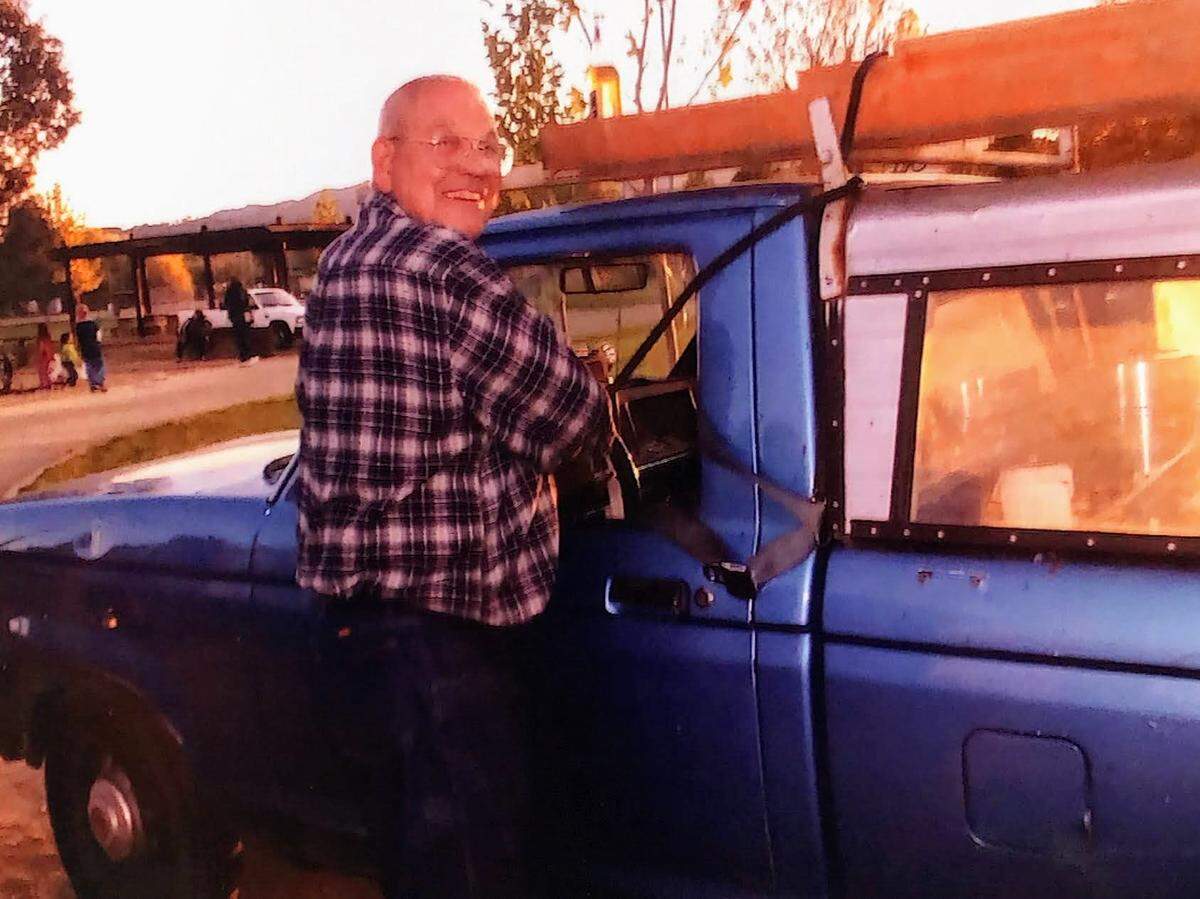
Atascadero Citizen of the Year ‘was with strangers when he died’
As soon as the first case of coronavirus was reported in San Luis Obispo County on March 14, Becky Maxwell went into quarantine.
She knew her 88-year-old father, Robert Maxwell — “Bob” to most people — was high-risk.
His range of health conditions — emphysema, high blood pressure, dementia — would make it very difficult for him to fight off an illness that was so quickly wiping out vast swaths of the nation’s elderly.
“I knew when the pandemic hit that if he ever had it, he wouldn’t survive,” Becky Maxwell told The Tribune in an interview Aug. 13.
So her first priority was making sure her father stayed safe. Since she cared for him in his Atascadero home, that meant she was under quarantine as well.
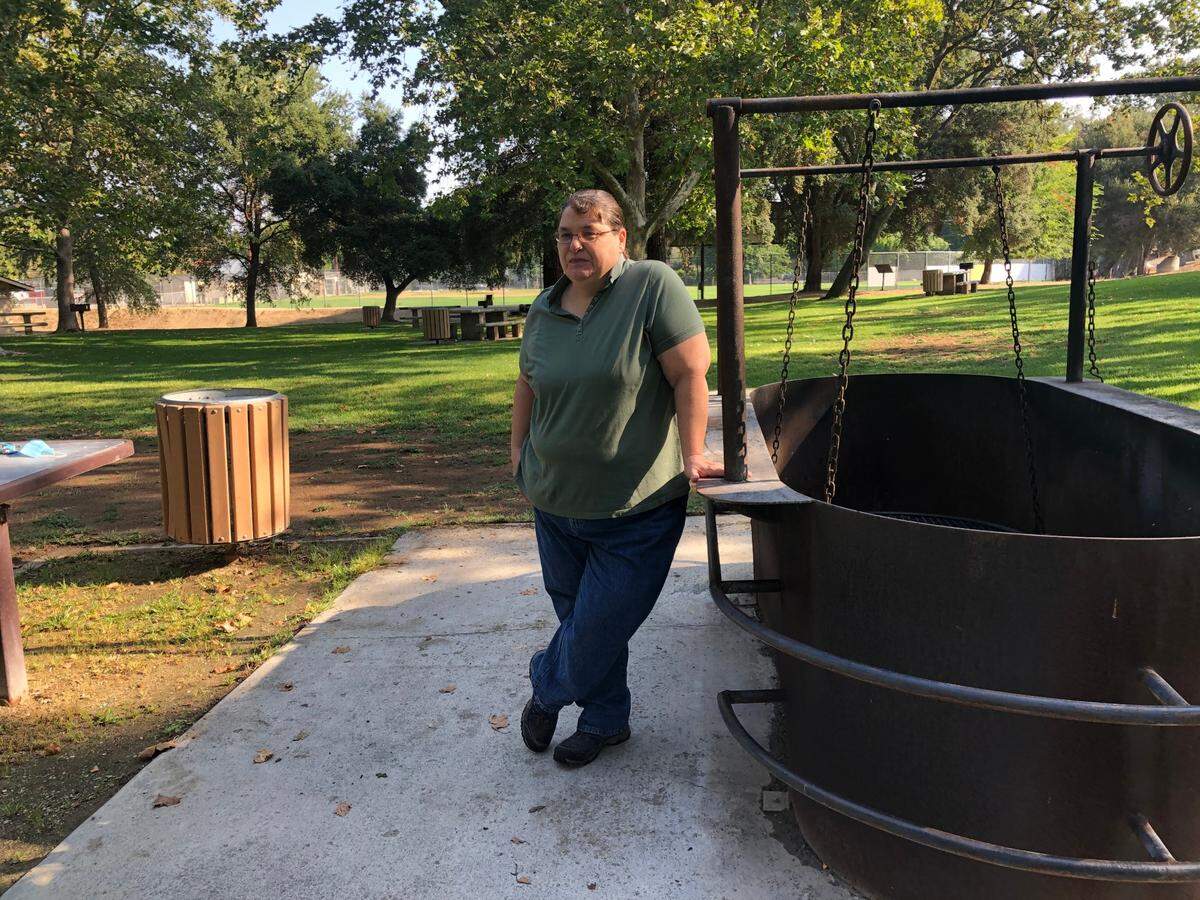
“For three months, the only time I went out was early in the morning to walk my dogs and go to the grocery store,” she said. “Otherwise I never left the house either. If anyone wanted to talk to me, I made sure they were at least 10 feet away. I wore masks. ... Any chance to keep (the coronavirus) away from him, I was going to take.”
Maxwell succeeded for close to fourth months.
It wasn’t easy. Her father, the 2002 Atascadero Citizen of the Year, struggled with the coronavirus restrictions tethering him entirely to the home.
He wanted to go out and get a haircut. Eat at a restaurant. See people like he always had. His dementia made it difficult for him to understand why he couldn’t, Becky Maxwell said.
They celebrated his 89th birthday in April. Even when the number of local COVID-19 cases began to skyrocket suddenly in June, her dad was still safe.
Then on the Fourth of July, Bob broke his arm pulling a chair to the kitchen table.
“It just snapped,” she said. “First time I ever heard my dad scream.”
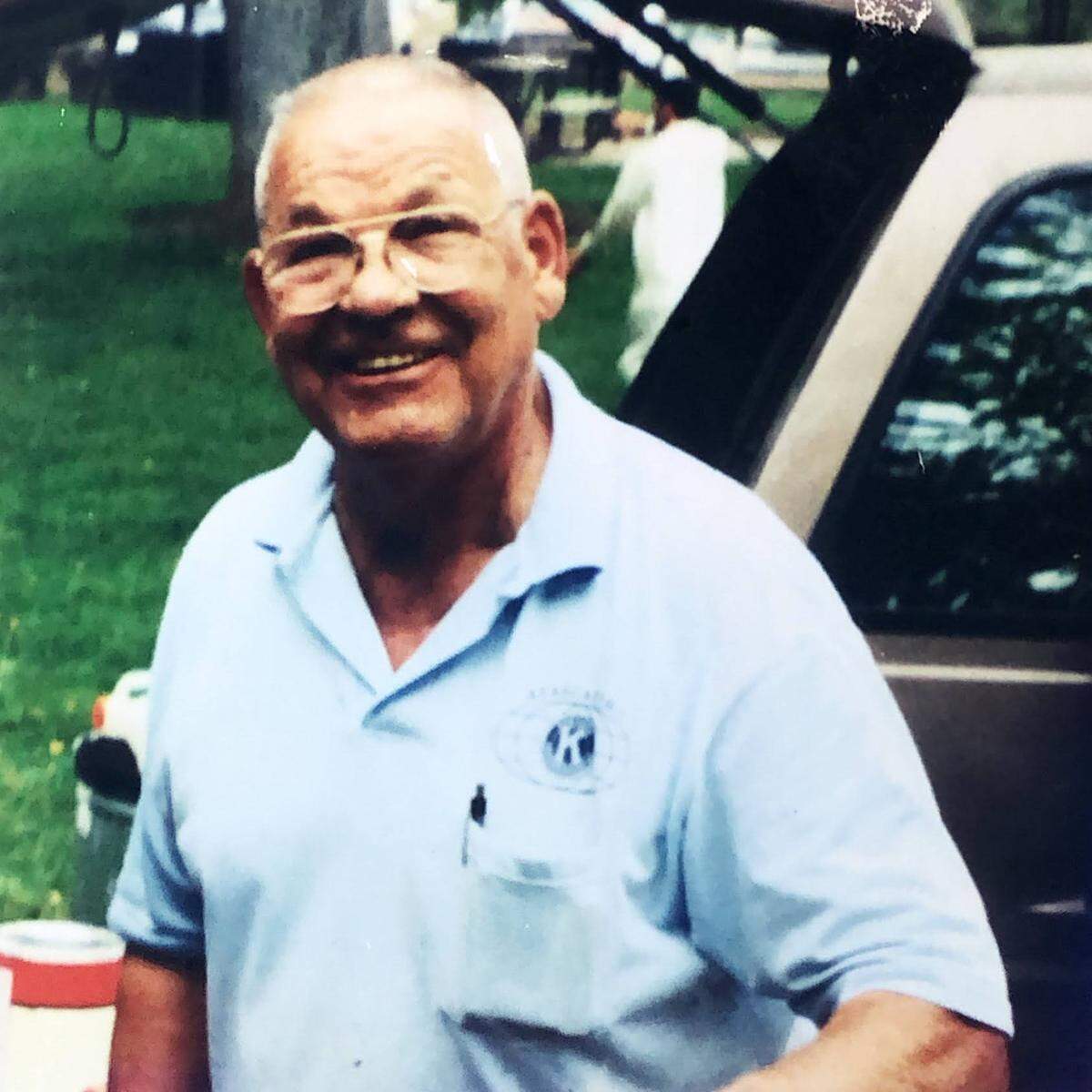
That break set into motion a series of events that would lead to Becky Maxwell checking Bob into Vineyard Hills Health Center in Templeton on July 10.
The decision was hard, but necessary, she reasoned. His dementia had become even more pronounced following his accident, she said, and it reached a point where she could no longer take care of him alone.
A little more than two weeks later, he was dead. An outbreak swept through the facility, killing at least four people; one resident who was initially listed as a fifth coronavirus death at the facility was later reclassified.
“I knew when I put him in there that he wasn’t coming home,” Becky Maxwell said quietly, looking out over Atascadero Lake Park, where her father had spearheaded so many projects with the Kiwanis. “I just didn’t think it was because he would die two weeks later. I just thought, I could no longer take care of him.”
Bob, a man known as “Bulldog” who had a hand in projects stretching across virtually every corner of Atascadero, died on July 27. His death certificate lists cause of death as acute respiratory failure, with COVID-19.
Like Luce and Head, Maxwell could not see her father in the days before he passed.
On their last conversation, a phone call on the Sunday after he was diagnosed with COVID-19, Bob accused his daughter of abandoning him.
He couldn’t understand what was happening, she said. He just wanted to be home.
“I understand that a lot of people don’t think that was an issue, because he was old and had medical problems,” she said of her father’s death. “But I couldn’t be there with him.
“He was with strangers when he died. He shouldn’t have been.”
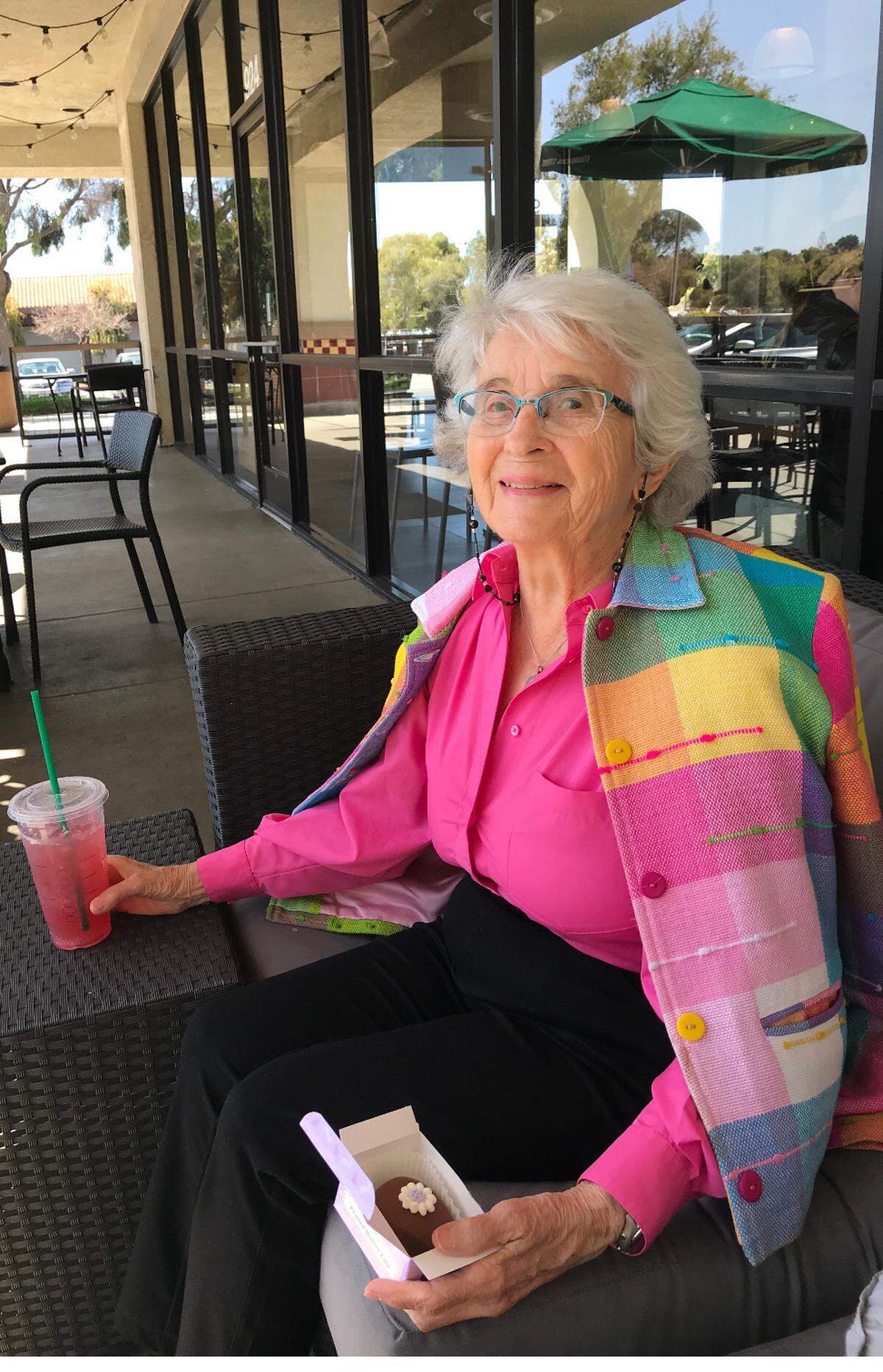
‘There was no path ahead’ for SLO mother fighting COVID-19
In the last two weeks of her life, Karla Gibson and her daughter Rayna Bernard spoke on the phone every day.
Even when Karla, 88, grew too weak to be able to lift her head, the nurses in the intensive care unit of Sierra Vista Regional Medical Center in San Luis Obispo would place the phone on her pillow so she could listen to her daughter.
On the morning of the day she died, Bernard recited a prayer to the woman who had shaped her entire life.
“She was an angel,” her daughter, Rayna Bernard told The Tribune in a Sept. 3 interview. “She would get called that a lot.”
After retiring from real estate at the age of 80, the longtime San Luis Obispo resident came to live at Vista Rosa Assisted Living in San Luis Obispo, Bernard said. There, she charmed everyone from the staff to the families of her fellow residents.
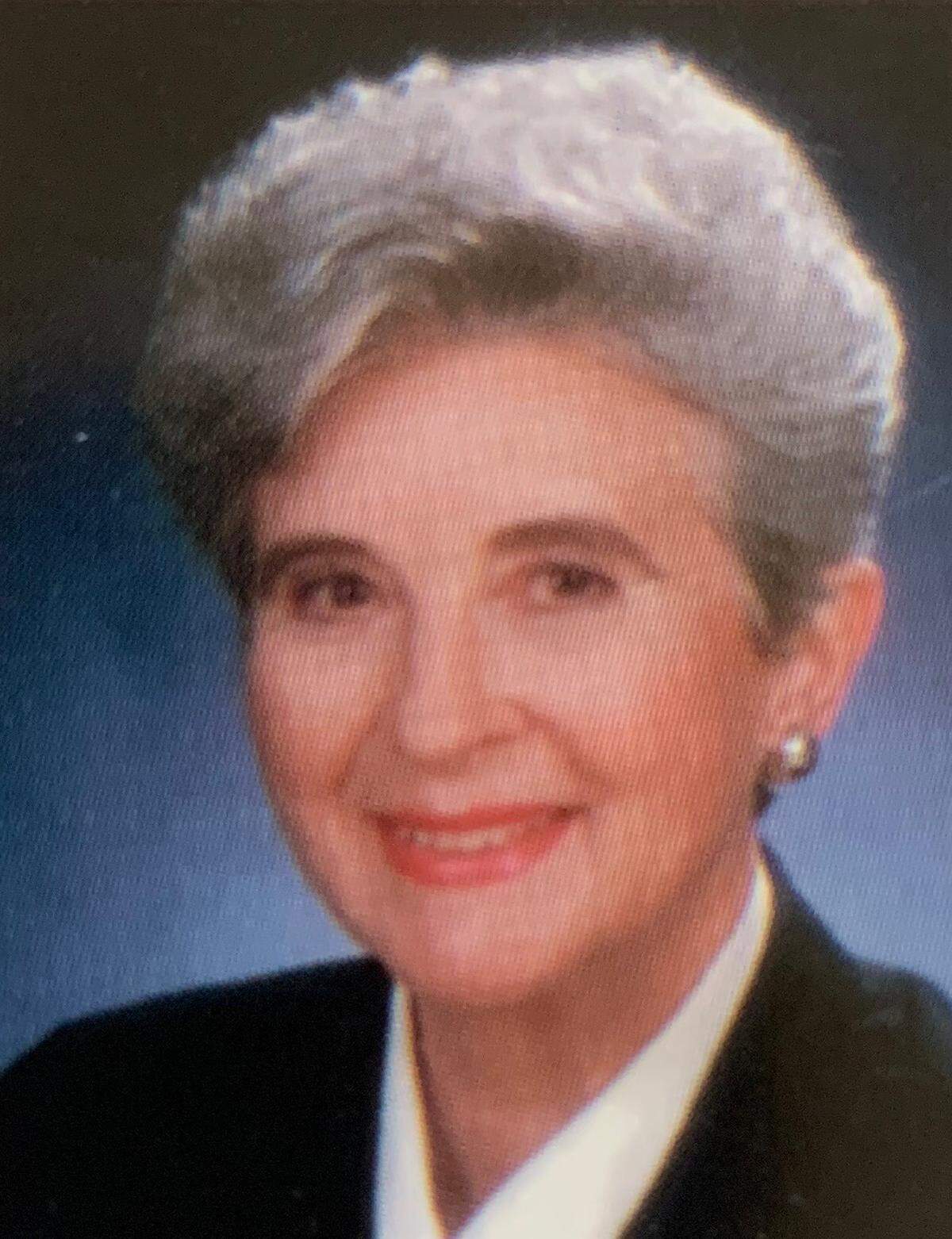
But in early June, after one COVID-19 test came back negative, Karla’s regular nurse contacted Bernard, concerned: Karla was lethargic— not like her usually perky self at all. She advised that Karla be checked into the hospital.
On June 16, Karla tested positive for the coronavirus.
“She seemed kinda OK,” Bernard said. “She came out of her lethargy, and I had a great conversation with her that night. We thought maybe she was going to get a light case. There were other residents with cases by that point.”
Over the next few days, Karla’s vitals held strong. Her blood oxygen levels were well within the normal limits, and she got extra energy after her specialists agreed to try dexamethasone — a corticosteroid used for its anti-inflammatory and immunosuppressant effects that is being tested as a potential way to help severe coronavirus cases.
“She really responded to it,” Bernard said. “It gave her the next day ... a little burst of energy. After that we thought, ‘Oh my God, this is going to work. This is going to be great.’”
But on the fourth day, Karla developed a low fever. Then her appetite decreased. She started to sleep more and more.
Doctors advised she be put on a bilevel positive airway pressure (BiPap) machine to help her breathing. But by the 10th day, it became harder and harder for her to stop using it long enough to take liquids, and she started to have trouble breathing even using the machine.
“She was still to the last minute thanking people in her tiny little voice,” Bernard said. “It was heartbreaking. It was just taking every bit of strength to stay alive.
“There was no path ahead for her.”
Fourteen days after Karla’s COVID-19 diagnosis, Bernard told the doctors to take her mother off the breathing machine.
“After that, it’s something called, they call it ‘air hunger,’ ” Bernard said. “Like you’re swimming in a pool, but you can’t get to the end. It’s a very anxiety-building event. The morphine removed that anxiousness.”
As she recounted the story to The Tribune in a phone interview more than two months later, Bernard paused and cleared her throat. The sound of a sniff echoed across the line.
“When they gave her that shot of morphine,” she continued slowly, “it took a couple of hours before she passed.”
Karla Pomeroy Gibson died in her hospital room two minutes after 10 p.m on June 30. The cause of death on Karla’s death certificate is listed as acute hypoxemic respiratory failure and COVID-19.
More than 250 miles away in Tiburon, her daughter finally received the phone call that signaled the end of her mother’s battle.
‘These deaths were not necessary,’ daughter of virus victim says
Margery, Bob and Karla’s cases all bear striking similarities.
All three were residents at congregate care facilities when they contracted the virus. They were elderly and had health conditions that complicated their recovery. They each died within three weeks of being diagnosed with COVID-19.
All were unable to see their children in person in their final days.
Now those loved ones are mourning in a time when deep-seated divisions over the way the country is run have politicized mask-wearing — a regulation that all of the family members interviewed believed helps stop the spread of the coronavirus.
“Mom’s death was not necessary,” Bernard told The Tribune. “These deaths were not necessary. I think a lot of this would have been avoided. We have got to take the mask-wearing seriously.”
They’re grieving in a time when announcements of the death of a San Luis Obispo County resident are met with a vitriolic slew of online comments about how the person was old, had health conditions or didn’t die from coronavirus.
“I just want people to know: People are dying and they’re someone’s father, mother, sister, brother, uncle, aunt,” Maxwell said as she sat in the park her father helped to shape. “And people are hurting because they can’t be with them.”
Maxwell said she even had a person tell her her father’s diagnosis was likely a false positive.
“That’s what really pissed me off, is people trying to tell me (that),” she said. “And I’m like, ‘No. This is real.’ ”
They’re grieving in a time when something as simple as a funeral is denied them.
Luce and Head said they held a small graveside service for their mother in early August. Only 10 people were allowed to attend — a vast difference from the massive, family-filled affair when their father died in 2008.
“When my dad died, everybody came, my brother and his family, all the grandkids,” Luce said. “But the night that my mom died, it was just Lori and I. It just felt so empty. It felt like we were floating unanchored.”
“We were allowed to go and at least pay our respects,” Head added, but the graveside service “didn’t bring the closure I think I hoped it would.”
For those who have been left behind, coronavirus and all the hubbub surrounding it has done more than steal away their loved ones:
It’s hijacked their mourning.
“It seems very anti-climactic,” Head said with a thoughtful pause as she sat in the sun with her sister, looking around at the children and young families playing in the park nearby. “It’s not what I pictured.”
More on The Tribune’s coverage of COVID-19 victims
Over the past eight months, the local death toll for coronavirus has climbed with very few details being released about those who have passed.
As our communities continue to struggle with regulations and the far-reaching impacts of COVID-19 on San Luis Obispo County, the suffering of the families of those who have died has been largely unreported, and the lives of those lost have been reduced to a number.
The Tribune decided it was time to begin to put faces to these numbers, and honor the memory of our neighbors lost to the pandemic. We have published a partial list of those confirmed to have died locally from coronavirus — available here — as well as individual obituaries for each of those residents.
The list and the obituaries will be updated as more people step forward to share the stories of their loved ones.
To do this, we are seeking the help of family members or friends of those who have died locally. For more information on how you can get in contact with us, or our efforts to cover COVID-19 deaths in SLO County, go here. You can also fill out our form below.
This story was originally published September 18, 2020 at 5:00 AM.
%20Cropped.jpg)