
SLO County volunteers help seniors with rides, groceries amid coronavirus isolation
Seniors are often stuck at home, physically isolated from friends and family, during San Luis Obispo County’s shelter-at-home order.
A local nonprofit that empowers San Luis Obispo County retirees to live independently is stepping in to help.
SLO Village, a community-based membership organization that started in 2016, connects seniors living independently with volunteers who can assist them with basic tasks.
Services have traditionally included assistance with transportation, technology and handyman duties — for instance, rides to the doctor or changing light bulbs.
But since the start of the coronvavirus pandemic, SLO Village’s executive director says seniors, who are at a higher risk of severe illness if they contract COVID-19, have needed increased aid in certain areas such as grocery deliveries, using online tools and finding ways to interact socially.
“One thing I’m seeing is how isolated members are,” said Kerry Sheets, SLO Village’s executive director. “Even if their kids are in town, they’re staying away generally because of social distancing. Some people don’t know how to do orders online or things like that. We’re here to help them stay healthy and connected.”
Most of the SLO Village members who received services are in their 80s, with some in their 90s and 100s.
The organization has 50 members and 55 volunteers. But many volunteers have halted their work because they’re seniors over the age of 65.
“Right now, we’re looking for some younger volunteers to help with some of the assistance needs,” Sheets said.
How SLO Village membership works
Groups referred to as “villages” such as SLO Village — which serves communities throughout San Luis Obispo County — exist throughout the nation, including Santa Barbara, San Francisco, San Diego and Monterey.
The organization serves most of San Luis Obispo County, including Arroyo Grande, Atascadero, Avila Beach, Grover Beach, Los Osos, Morro Bay, Nipomo, Oceano, Paso Robles, Pismo Beach, San Luis Obispo, Shell Beach, and Templeton.
The SLO Village model involves an annual membership fee of $500 per individual or $750 for household. About a third of the program’s members receive subsidized funding based on need.
Volunteers undergo a vetting process and background check process to make sure they don’t have criminal records or other red flags that would prevent their ability to serve.
Regular calls, at least once a week, are placed by volunteers to check in on the seniors and arrange for services, Sheets said. Currently, about 12 volunteers make calls.
The organization doesn’t offer nursing care, though it may connect people to resources if needed.
During the coronavirus outbreak, volunteers have dropped off groceries — making sure not to fill the bags with too many heavy items so they can be safely picked up. Volunteers also take walks with members using face masks or observing social distancing.
“A volunteer can make a shopping list over the phone,” Sheets said. “Usually, members write a check. Volunteers bring the groceries with gloves on to the front porch or the curb.”
Local residents use volunteers for yard work, car rides
Paul Wolff, a retired Cal Poly architecture professor, said that he and his wife, Marion, have used SLO Village for a couple of years as they “age in place.” Both are 90 years old.
“It has been very helpful,” Wolff said. “They have a very good program. They ask various volunteers to call members to check up on them. It keeps people in touch with each other.”
The Wolffs have received help with yard work and car rides, because Paul has poor vision.
Wolff said he has also enjoyed SLO Village’s regular coffee chats, which have moved online to Zoom video conferencing. While 10 participants once met in person, 15 people now log on to talk.
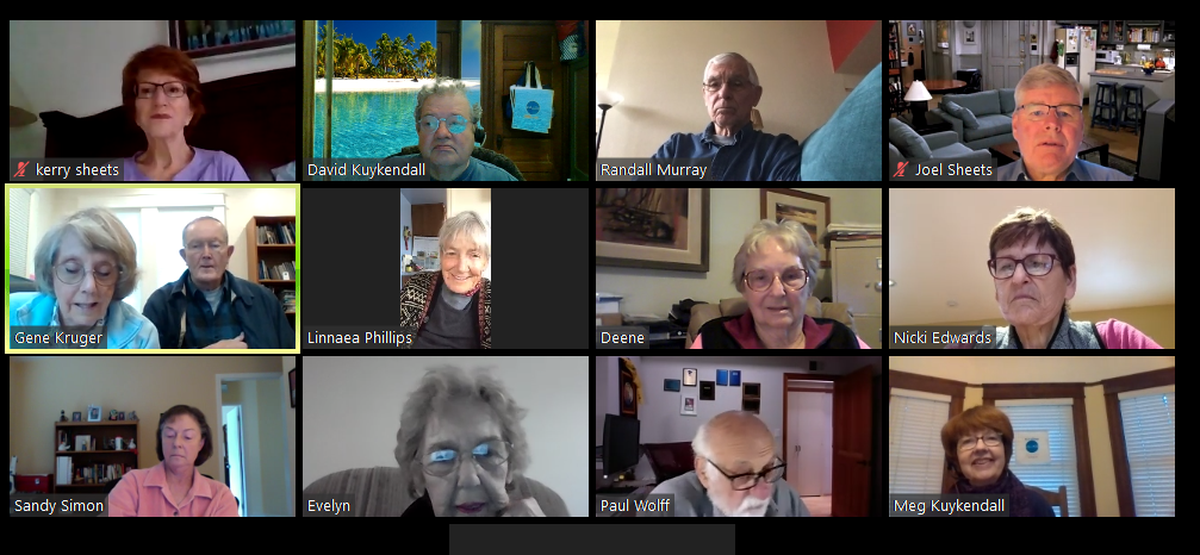
Wolff said the Zoom technology wasn’t difficult to learn how to use.
“We discuss a various of things,” he said. “About half are paying members and half are volunteers, and sometimes there’s very little age difference between the two.”
Wolff has offered his expertise in home accessibility to give advice to other seniors, advising them with guidelines on fire extinguishers, good lighting for visibility and removing rugs and other things they could trip on.
“Rugs are the cause of many accidents for older people,” Wolff said.
Seniors need to stay home during COVID-19, retired nurse says
One of the SLO Village volunteers is Nicki Edwards, a retired Sierra Vista Regional Medical Center nurse who says a pleasure of the job is interacting with people.
“It’s a joy to get to know a lot of these people well and they are interesting people with interesting backgrounds,” Edwards said.
“Many of these people need to stay home,” she said. “They are frightened to go out and rightfully so. They’d be doing poorly if they caught the virus and they hear horror stories about people in U.S. in their age range who get it.”
Edwards, who is over 65, is doing her part to stay safe by wearing a face mask, and consolidating shopping trips for multiple members into single runs to limit her time in stores. She has also been sewing masks to donate.
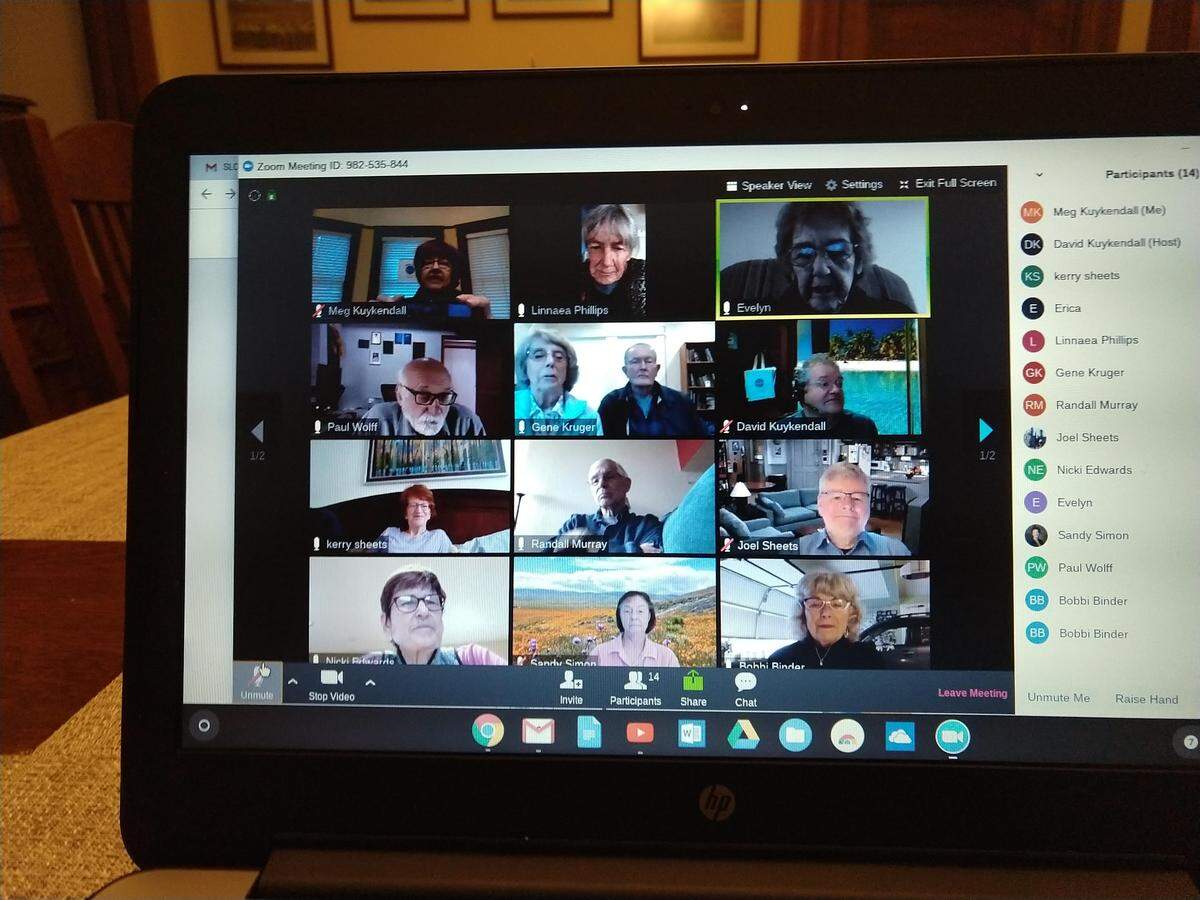
“We get together on Zoom,” Edwards said. “There’s usually a scheduled speaker of the day and people enjoy that. Anyone in SLO Village participates. It’s about getting them to the right resources. Those immersed in computers don’t realize the learning curve for people who don’t use social media much or computers much at all. Some don’t even have cell phones.”
SLO Village will host a free public webinar on advocating for your healthcare and planning and executing an advanced directive, which indicates which actions should be taken for health if people are incapacitated and can’t make decisions for themselves.
People interested in participating must register by calling the SLO Village office at 805-242-6440 or going to www.slovillage.org/rsvppresent.html.
For more information about the SLO Village program, or to volunteer, go to www.slovillage.org.
This story was originally published April 16, 2020 at 5:05 AM.
%20Cropped.jpg)