
Stuck at home, SLO County residents turn to produce subscription boxes for groceries
In the first week after San Luis Obispo County residents were ordered to shelter at home and avoid going out except for essentials, Andrea Chavez noticed something strange.
“It was over that week that the grocery stores ran out of items — it was like a run on food,” she recalled. “Then their shelves were empty, and their warehouses were empty, and it was panic buying. People were saying, ‘There is no produce in the produce aisles.’ ”
At the same time, Talley Farms in Arroyo Grande began to notice an uptick in the number of people signing up for produce box subscriptions.
That week started a surge in subscription sign-ups at community-supported agriculture (CSA) businesses across San Luis Obispo County — a surge that has continued throughout the shelter-at-home order as more and more people are turning to local farmers and producers for hard-to-find fresh grocery items.
But that surge has left local CSAs with one big question: How long can this last?
Arroyo Grande farm’s produce box subscriptions triple
Chavez, a manager at Talley Farms, said she felt the Arroyo Grande farm was actually well positioned at the start of the shelter-at-home orders to respond to a surge in demand.
Talley Farms’ box count has tripled from what it was packaging before the coronavirus panic. New customers who have never tried a community-supported agriculture (CSA) box subscription and former customers who had stopped subscribing for various reasons raced to sign up for one of the farm’s various produce boxes, she said.
“I’m excited because I think people perhaps have discovered the joy of cooking at home and eating as a family,” Chavez added. “We’re excited about that.”
Located in rural Arroyo Grande, Talley Farms has been selling boxes of locally grown produce by subscription since 2012.
The boxes, which feature a random assortment of vegetables, fruits and produce items, are available in various sizes and can be picked up at locations around San Luis Obispo County.
They can also be delivered directly to homes in South County, San Luis Obispo and the North Coast, thanks to a new partnership with SLO Safe Ride, Chavez added.
“SLO Safe Ride has really stepped up,” she said. “Many of those are elderly people who have to stay in, and that’s a really great service. I don’t know how we would do all these home deliveries ourselves.”
Though the surge in demand for CSA boxes has been great for business, Chavez said there is some concern for the future and how long this may go on.
“It’s always a guessing game, and now it’s harder than ever to know what to plant,” she said. “Even us for our boxes, what’s going to be the new normal for us? How much more should we plant?”
Chavez added, “It’s always fast and furious, but these past few weeks have been nothing like I’ve experienced before. I don’t know what the new normal is.”
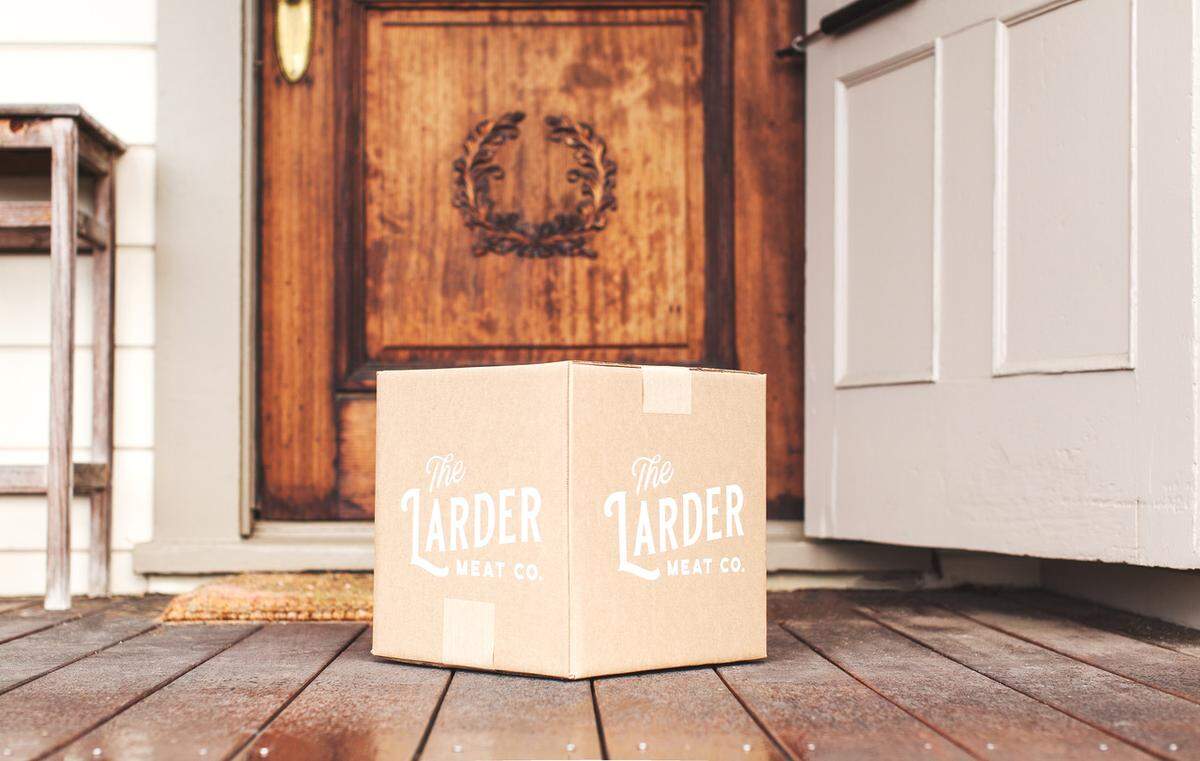
SLO meat subscription service: Business up by 400%
Jensen Lorenzen of The Larder Meat Co. has similar worries to Chavez’s
“We’ve had to make a lot of adjustments,” he said. “We never expected to grow that fast. It’s been a fire drill the last two months.”
As of Monday, Lorenzen said the meat subscription service, headquartered in San Luis Obispo, has increased its business by about 400% since the start of the COVID-19 pandemic.
For a quick idea of what that looks like, Lorenzen noted that The Larder Meat Co. is now using about 400 chickens per month. On Sunday alone, the company moved about 4,000 pounds of product, he said.
“We’ve been bringing in new suppliers, maxing out everyone I’ve worked with for a long time,” he said. “I’m trying to be transparent with farmers and ranchers right now — things seem to change by the day and I can’t make any promises about the future.”
The Larder Meat Co. sources meats from local farmers and ranchers around California, and then ships a variety of boxes, depending on customers’ preferences, straight to their homes. Larder Meat Co. has also partnered with SLO Safe Ride for local deliveries.
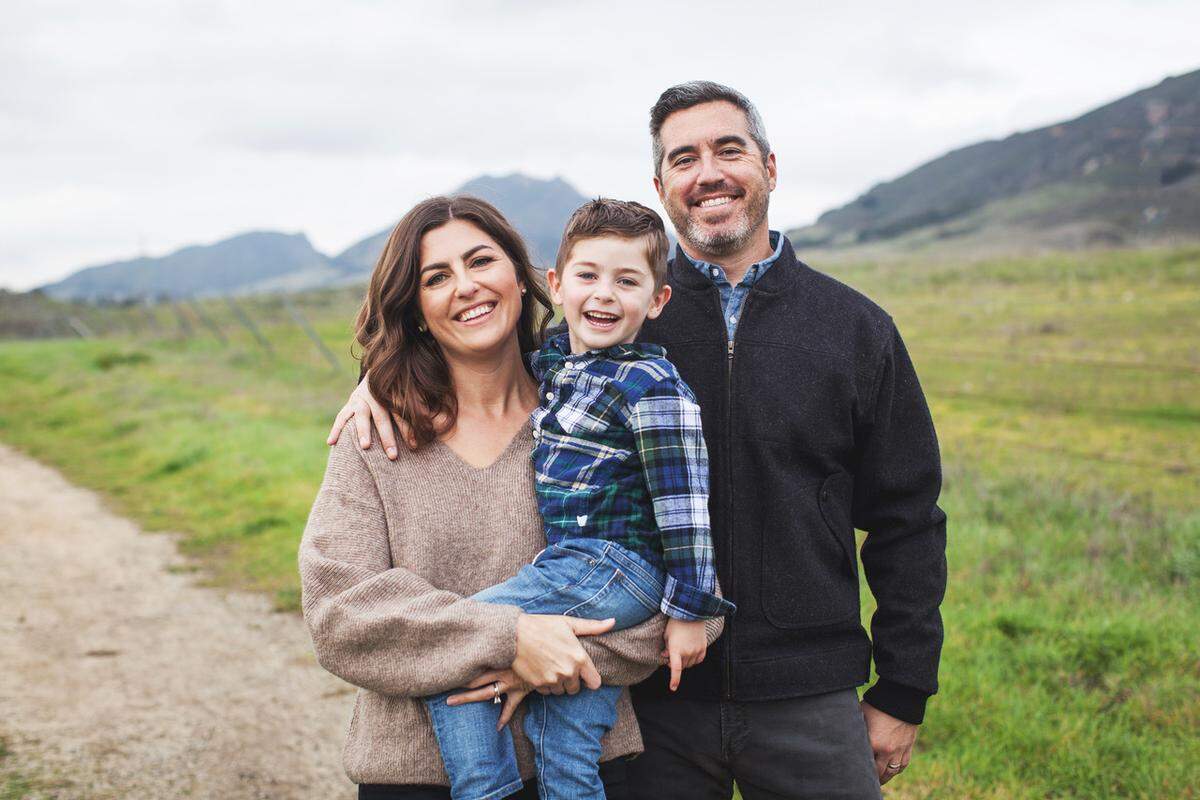
Lorenzen said that, despite the quick growing pains, he’s been happy to see the surge in people interested in the CSA model, and the subsequent increase in people making meals at home.
“The amount of feedback we’ve gotten from people is that they didn’t know how easy it was or the quality of what they are getting,” Lorenzen said. “The one I like most though is the idea that people are sitting on produce now that they are excited to share with their families. That’s the silver lining with all of this.”
He added that he hopes many more people will stick with the CSA model once the shelter-at-home order is lifted, since it’s a model that’s more nimble than big agriculture and also helps the local economy.
“A big hope of mine is that this exposes people to a new way of buying product so I can continue to pass on that business to local farms,” he said. “I’m sure we’ll see some turnover, but I hope most realize it’s a new, enjoyable way to support farms.”
How to sign up for a CSA subscription
Talley Farms offers two box sizes for subscriptions: original for $30, which feeds a family of two to five; or junior for $25, which is recommended for an individual or couple. For an additional $10, the boxes can be delivered locally. Boxes can be picked up or delivered weekly, every other week or monthly.
For more information or to sign up, visit talleyfarmsfreshharvest.com/how-it-works.
The Larder Meat Co. offers five box plans ranging in size and items, delivered monthly. The least expensive is The Easy Box for $129, which includes four pounds of ground beef, 4 pounds of chicken and 2 pounds of ground pork. The company is also offering several one-time boxes, separate from its subscription service. Shipping starts the second Monday of the month.
For more information, or to sign up, visit www.lardermeatco.com/boxes.
Other local CSA options include Rutiz Family Farms in Arroyo Grande, which offers $20 harvest boxes for pickup every Friday, and SLO Veg in San Luis Obispo, which offers an assortment of harvest boxes for home delivery. SLO Veg boxes cost between $31 and $46.
This story was originally published April 15, 2020 at 2:40 PM.
%20Cropped.jpg)