
Rattlesnakes are ‘wandering around’ SLO County. This new business can help keep you safe
It’s rattlesnake season — and a new San Luis Obispo County business is available to help keep you and the snakes safe.
Central Coast Snake Services, which opened in October, will identify snakes on private properties for free.
The Nipomo-based company charges for other services such as snake removal and relocation, property consultation and installation of snake-proof fences.
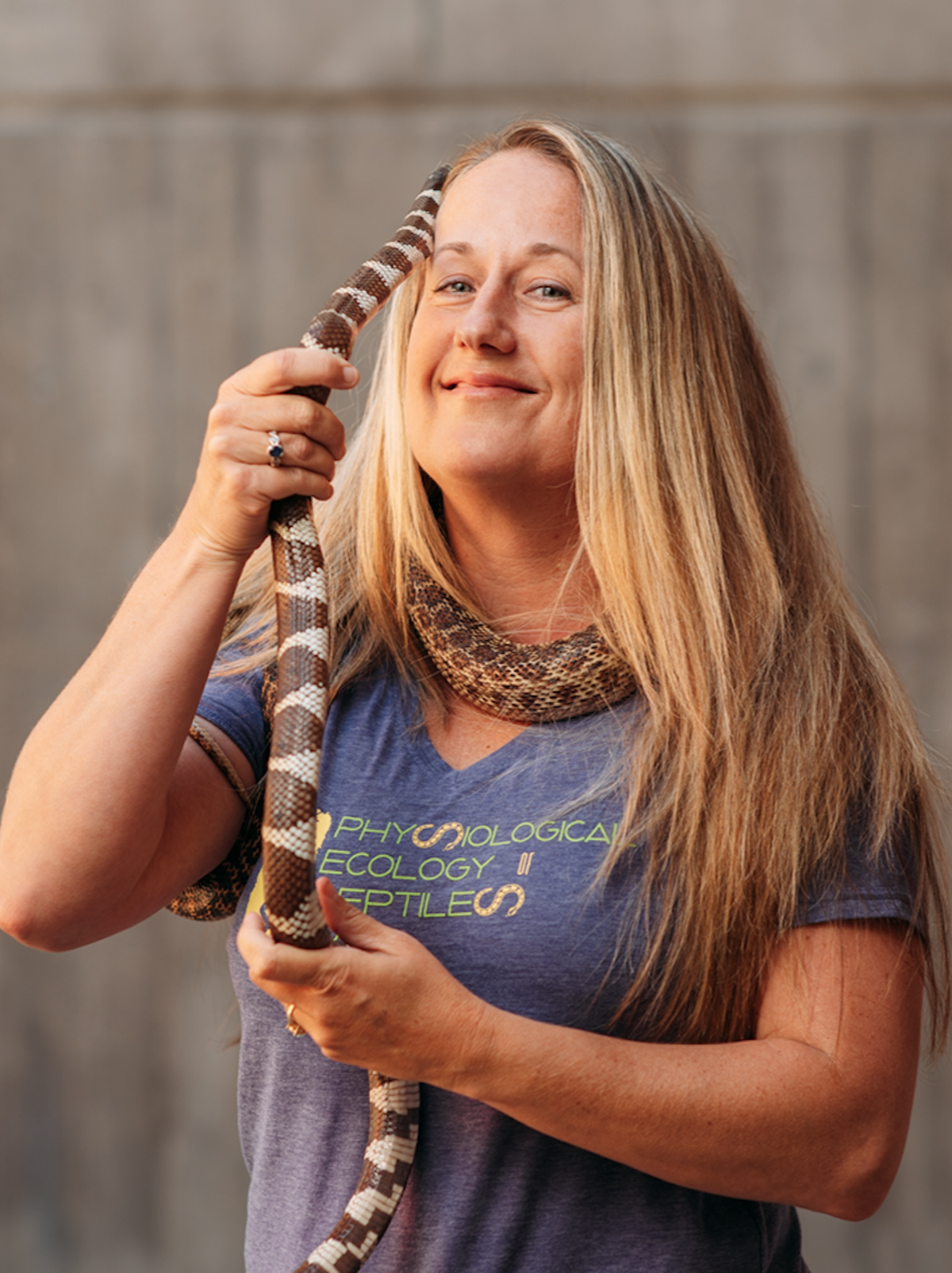
Central Coast Snake Services owner Emily Taylor is a Cal Poly biology professor with more than 20 years of experience studying rattlesnakes. She provides snake safety training courses for biologists, ranchers, vineyard operators and people on military bases.
“Snakes are often out in warm weather after rains,” Taylor said. “In the spring, the temperature warms up, which brings them out. And it’s mating season now. Bigger rattlesnakes are out looking for females and wandering around.”
SLO County a hotspot for rattlesnakes
According to Taylor, people in San Luis Obispo County are spending more time at home due to coronavirus shelter-at-home precautions.
Taylor said rattlesnakes will often slither into yards, ranches and recreational areas. That puts people and animals, such as cattle and dogs, at risk.
She takes calls from concerned residents, who send her photos or videos of snakes they’ve found on their properties, to determine what steps to take next.
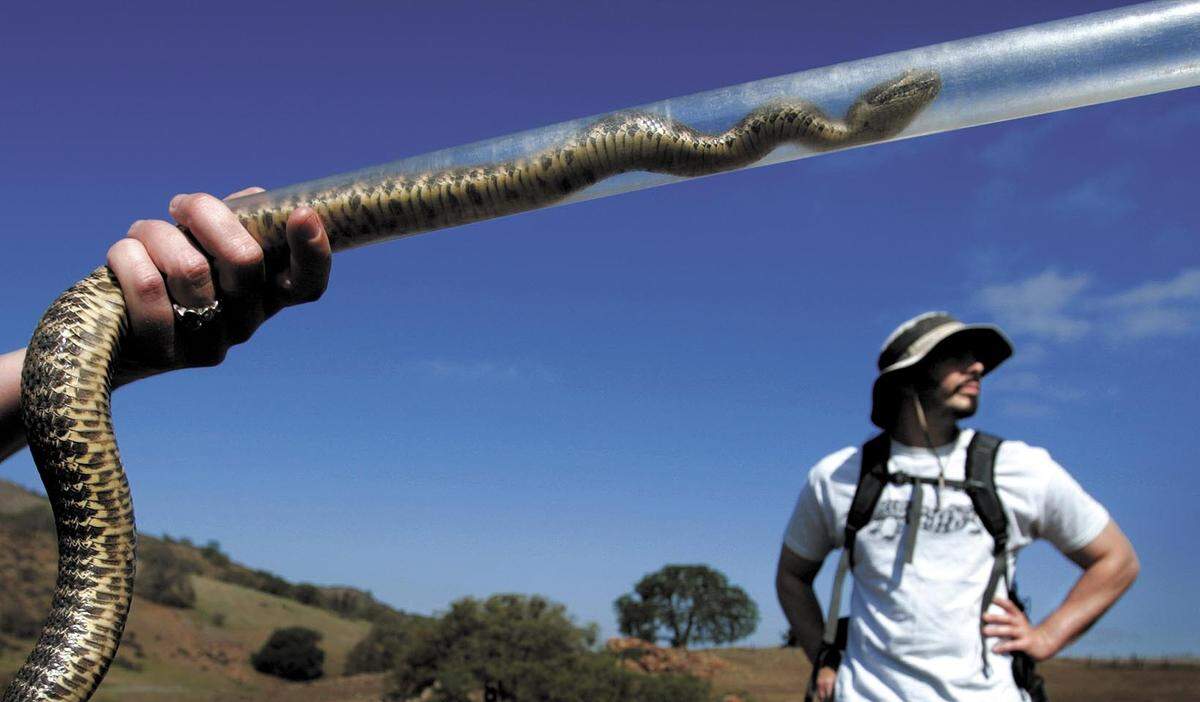
“I might determine if it’s a gopher snake, which is commonly confused for a rattlesnake,” Taylor said. “But if it’s a rattlesnake, I’m available to come and pick it up and relocate it. We’re in an area where we tend to get a lot of rattlesnakes, and I can look over their properties, and offer advice to help make their yards less snake friendly.”
Central Coast snake business offers removal, relocation
Rattlesnakes tend to like areas with taller grass, rocks and wood piles, all places to find cover for protection, Taylor said.
“If I have to remove a snake, I use tongs and place them in a bucket,” Taylor said. “During my career, I’ve rarely handled snakes directly with my hands.”
She relocates the serpents according to rules established by the California Department of Fish and Wildlife.
Taylor said costs for rattler removal range from $50 in South County, where she’s based, to $250 in the northern pockets of SLO County, taken into consideration time and travel demands.
In addition, Taylor offers training on local rattlesnakes, including a question-and-answer session about their habits, their management and snakebites. She provides side-by-side gopher snake and rattlesnake identification, a capture-and- release demonstration and personal training with staff members on capturing, bagging and releasing.
“I also provide free phone and email consultation on specific issues pertaining to rattlesnake management for a year following the training,” Taylor said. “I recommend staff retraining annually.”
Training courses are $85 per hour and typically last about three hours.
Taylor also installs so-called snake-proof fencing, which consists of a see-through mesh that’s often attached to fences already in place on properties. The 3-foot-high barrier prevents snakes from getting through.
Pricing for fencing depends on the size of the yard, and whether there is already an existing fence, Taylor said.
She said the cost starts at a few hundred dollars for a small dog run and goes up for a big yard.
Lack of knowledge about rattlers can lead to death
Taylor said untrained community members often try to kill snakes, which she discourages, saying that often leads to accidents.
“Often it’s somebody trying to kill a rattlesnake with a shovel who gets bitten,” Taylor said.
Taylor said that a snake bite requires getting treatment with anti-venom from a hospital. Other methods such as snake bite kits, tourniquets or sucking the bite area to try to remove the venom are falsely rumored to be effective, she said.
Lack of treatment of a rattlesnake bite can lead to severe swelling, tissue damage and even death, Taylor said.
“So much depends on the volume of venom released, but you want to get as quickly as possible to the hospital,” Taylor said.
Taylor said that snake populations are difficult to pinpoint, but research by a student at her lab at Cal Poly in San Luis Obispo shows that warmer temperatures because of climate change indicate that rattlesnake numbers are on the rise, Taylor said.
That could increase human and rattlesnake conflicts in the future.
“They’re come out earlier in the year, eating more, producing more and generally increasing rattlesnake populations,” Taylor said.
Cal Poly professor dispels rattlesnake rumors
Contrary to the belief that baby snakes are more venomous than adults, Taylor said, adults release three times the venom of younger ones and generally cause more damage with their bites.
Typically, adults are 2 to 4 feet long and babies are like “little pencils,” Taylor said.
“Another misconception is that rattlesnakes sometimes don’t have rattles,” Taylor said. “They almost always do have them. A baby has a little button on the tail. But the interesting thing is often they don’t rattle as you approach. But a (non-venomous) gopher snake will shake its tail and can sound like a rattlesnake in the grass.”
While male snakes roam around the distance of a smaller neighborhood, Taylor said female snakes don’t tend to move much, waiting for the males to find them.
“It was about 20 years ago to this day, early in my career, I was bitten on my hand,” Taylor said. “I have a healthy respect for snakes.”
For more information about Central Coast Snake Services, call 805-401-0811, email CentralCoastSnakes@gmail.com or visit www.centralcoastsnakeservices.com.
This story was originally published April 15, 2020 at 1:03 PM.
%20Cropped.jpg)