‘Like a cruise ship times 100’: ASH employees worry about potential coronavirus outbreak
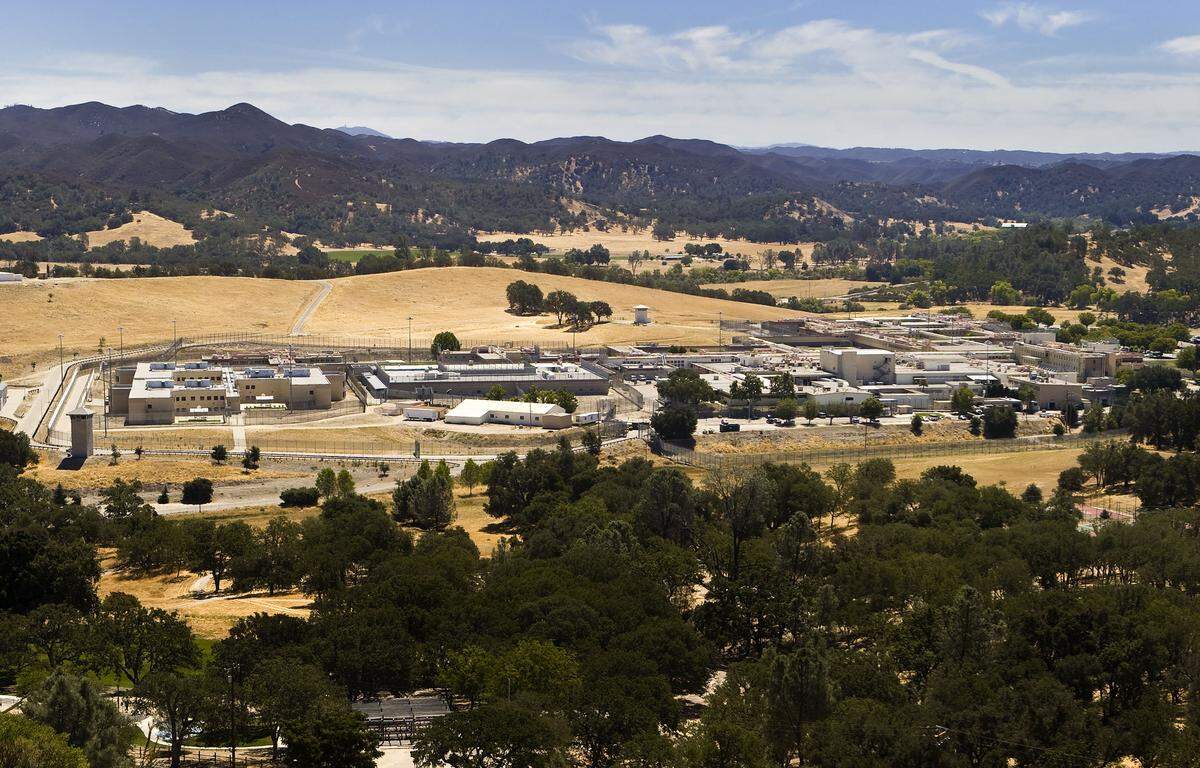
Atascadero State Hospital employees say they are concerned about safety precautions and staffing levels as administrators try to shield the psychiatric health facility from California’s growing coronavirus outbreak.
While they said they believe leadership is working hard to manage a difficult situation, staff members who spoke to The Tribune on condition of anonymity to protect their jobs say they are not being provided appropriate masks, items like hand sanitizer are running low, and that nurses and technicians must serve every meal to increasingly agitated patients who are now confined to their housing units.
They’re afraid it’s just a matter of time before a patient or staff member tests positive for COVID-19, the disease caused by the new coronavirus.
The risk to ASH isn’t helped by its location in the North County, where more than half of San Luis Obispo County’s confirmed coronavirus cases are concentrated.
“It’s like a cruise ship times 100,” one person, whom The Tribune confirmed is a care provider at ASH, said Friday. “There’s no way we can stay six feet from our patients.”
3,300 people all in one facility
Facilities like ASH face special challenges from illnesses because of both the number of people working and living there and the fact that they often interact in close proximity with each other.
Atascadero State Hospital treats an all-male population of roughly 1,200 people who are severely mentally ill and have allegedly committed or have been convicted of a violent felony.
It is one of San Luis Obispo County’s largest employers, with a staff of approximately 2,100 people. They work with 1,200 patients, bringing the total to 3,300 people.
Just last week, six housing units were under quarantine simultaneously to prevent an outbreak of influenza, department officials confirmed, but no positive cases of COVID-19 among patients or staff have been reported.
Department of State Hospitals officials declined to say how many of either have been tested for COVID-19.
Despite the concern among most staff members who spoke with The Tribune, a spokesman for Department of State Hospitals in Sacramento said that employees are being medically screened and provided a surgical mask upon entry to the facility.
And while there was an initial increase in staff calling in sick, illness calls are currently down to the normal rate, a spokesman said in an email Sunday.
The Tribune has sought access to the facility and for an interview with its acting executive director, Jason Black, but the hospital has denied the newspaper’s requests.
How the hospital responded to coronavirus
As California cases of coronavirus began to arrive, Atascadero State Hospital suspended most patient visitation indefinitely on March 12, as did the Department of State Hospitals’ other four psychiatric facilities.
Since March 20, several employees at the facility contacted The Tribune to say they had concerns ranging from their own physical safety, unsanitary conditions, staffing, and the alleged lack of a plan should patients and employees begin getting sick.
One employee, who asked that their name not be used because they said they’re not allowed to speak with the media, said that patients were sitting within 12 inches of each other in various situations and that social distancing was a near impossibility.
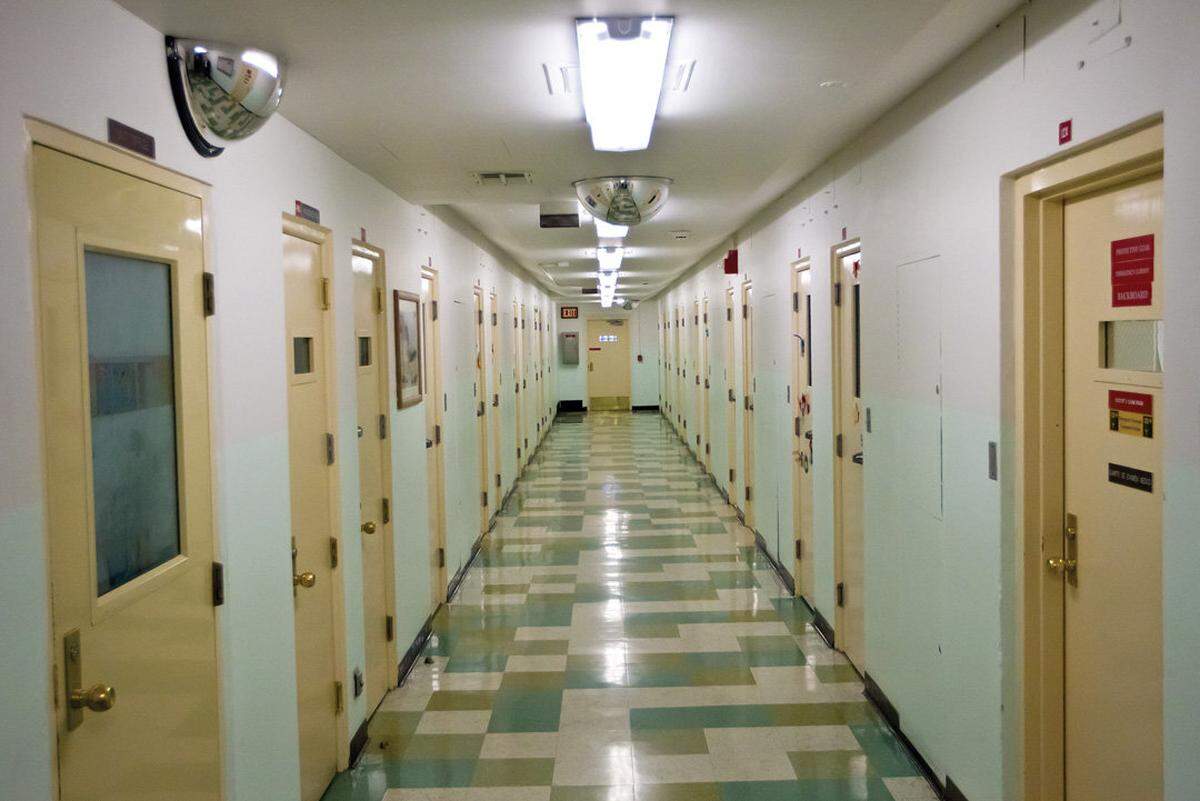
Patients have been on a 24/7 lock down amid fears over coronavirus and influenza, confined to housing units that can accommodate anywhere from five to 45 patients, employees said. Meals are being served in the units, where patients do have access to common areas like TV rooms.
“There’s no social distancing whatsoever,” the person said.
Responding to questions about social distancing in a psychiatric hospital setting, Department of State Hospitals Ralph Montano on Friday wrote in an email that efforts to expand personal space are indeed implemented at the facility and the administration “continues to evaluate and modify its operations.”
“Some of the measures that have been implemented include: reducing staff meeting sizes and patient group sizes, implementing measures to reduce patient gatherings, modifying the process for staff entering the facility, and visual prompts (signs and ground markings) for better social distancing awareness,” Montano wrote.
Another employee said that despite the threat of coronavirus, the hospital remains fully staffed, and administration has not reviewed whether any positions could be deemed non-essential.
Montano refuted that claim as well, saying that while in general, hospital staff are essential critical infrastructure workers, in order to protect its patients and staff from COVID-19, the hospital is “working to operate its facilities in alignment with social distancing guidelines and remain-at-home directives, where appropriate and feasible.”
“Department of State Hospitals is evaluating hospital workforce needs for possible rotational work schedules, tele-work or diverting duties to provide essential functions,” Montano wrote.
Hospital employees also complained of a lack of protective gear, namely masks and hand sanitizer. While masks are now being provided to staff upon entry — a policy that began last week, employees said — those masks are not the hard-to-get N95 masks that protect against coronavirus, another hospital spokesman, Ken August, wrote in an email Sunday.
Hand sanitizer, which was previously available to patients, is now being saved for staff due to the scarcity, and those in positions where close contact with patients is common are not allowed to order more themselves, another employee said. Instead, the pharmacy issues small bottles when it’s deemed necessary, sources said, such as for medication delivery.
Some staff members said there was an increase in other employees calling in sick, requiring people to work units they are not familiar with. In settings where patients depend on routine, sources said, the disruption adds to tension.
“It’s a real volatile situation,” one employee said.
“I’m afraid that it could lead to an increase in violence,” wrote another.
Though Montano initially said there has been no increase in sick calls and that mandatory overtime was down, August on Sunday clarified that there was an “initial” increase in sick calls but those are currently back down to the normal rate, and instances of mandatory overtime have decreased because more employees have signed up for voluntary overtime.
How would ASH manage an outbreak?
Most employees who spoke to The Tribune said that staff and administrators at ASH are doing a good job under tough circumstances, but that the hospital was “behind the curve” in implementing protective measures.
One staffer said that doesn’t bode well for how the institution would continue to operate following an outbreak of COVID-19 there.
Asked if they feel safe reporting to work at ASH, one employee responded on social media, “Not really. I don’t trust that we will be able to properly manage an outbreak if one happens.”
Employees said they have not heard meaningful guidance from the county Public Health Department or the Governor’s Office about what would happen in the event of an outbreak.
An isolation unit has been set up, and the hospital is asking staff to volunteer should a positive case be confirmed, they said.
Michelle Shoresman, spokeswoman for San Luis Obispo County Public Health, said her agency has been in communication with the medical teams at both ASH and the California Men’s Colony in San Luis Obispo “to discuss processes around the diagnosis of patients at either facility.”
“Should either facility have a case, they would report that case to SLO County Public Health, like any other local provider,” Shoresman wrote in an email. “At that point, the Public Health Department would be involved with the case investigation and contact tracing.”
Shoresman added: “In our assessment, they have sound policies and procedures in place.”
This story was originally published March 31, 2020 at 11:56 AM.