
SLO’s climate action plan calls for 10,000 new trees and lots of electric vehicles
As part of its bold target to meet a carbon neutrality goal by 2035, San Luis Obispo is considering an ambitious, multi-faceted strategy that includes planting at least 10,000 trees citywide and achieving electric vehicle use among 40% of city drivers.
Other proposed initiatives include:
▪ Encouraging people to walk, bike or take the bus or other forms of transportation 50% of the time.
▪ Reducing organic waste (grass, clippings, leaves, etc.) in the landfill by 90%.
▪ Increasing existing food rescue by 20% (salvaging edible foods).
On Tuesday, the City Council discussed a 19-page draft Carbon Neutrality Vision, touching on a wide range of ways to reduce greenhouse gas emissions citywide.
Aggressive plans would greatly reduce pollution currently caused by transportation, energy, food and waste — reducing levels by nearly 60%.
But even with the approach, SLO projects it still would come up short of carbon emissions reduction goals without additional public funding at state and federal levels.
The public can sign up to provide input on the Climate Action Plan, expected to be voted on in April, at www.slocity.org/sustainability.
.JPG "Harmon Address037 (2).JPG")
SLO moving to address climate change ahead of California
In September of 2018, the council directed staff to develop a strategy to reach carbon neutrality by 2035, meaning the city’s net carbon emissions would be drawn down to zero. California has a similar goal to achieve that goal by 2045.
“It’s so amazing to have been fighting for this for so long, so many of us, and to be told (climate change) didn’t exist, that it didn’t matter, and to be told we were never going to make a difference,” said Mayor Heidi Harmon, at Tuesday’s meeting. “And here we are.”
Greenhouse gas emissions are at “unprecedented levels in human history,” said Chris Read, the city’s sustainability manager, adding intergovernmental studies have shown “greenhouse gas emissions need to be at net zero by mid-century just to maintain the kind of climate disruptions we’ve seen in the last several years.”
“An inability to do that will result in continued catastrophic impacts,” Read said.
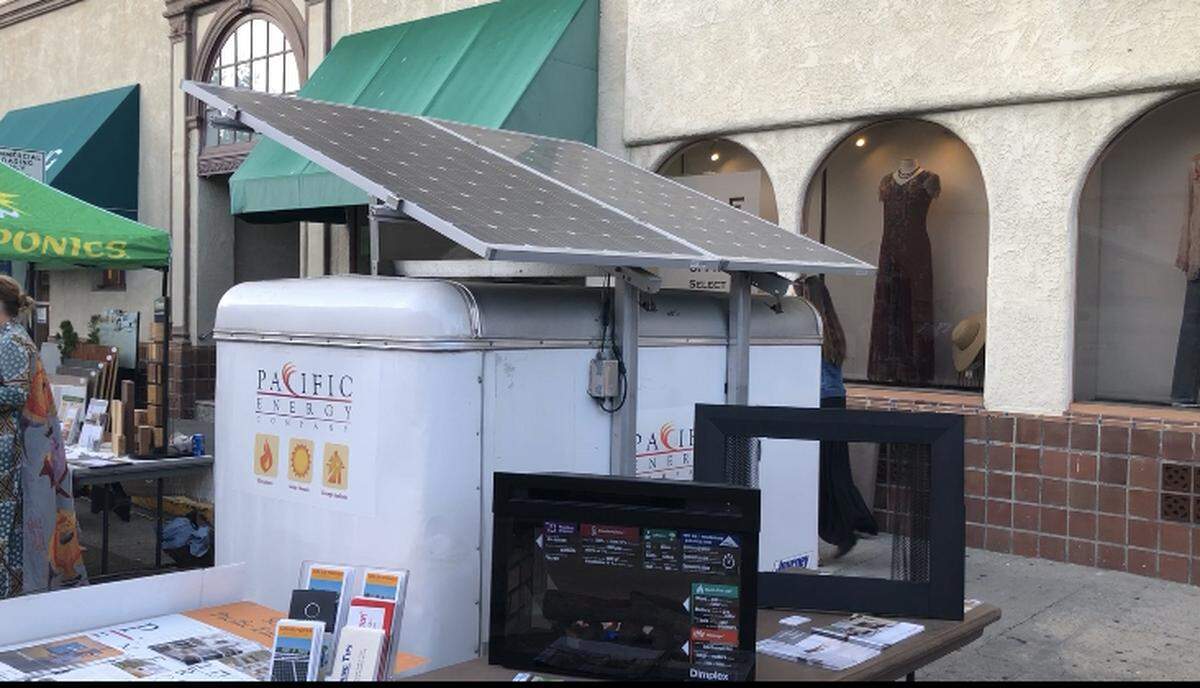
The city’s greenhouse gas emissions inventory — totaling about 246,000 metric tons — shows that transportation emissions make up 50%, with the rest coming from nonresidential energy at 22%, residential energy at 21% and waste at 7%.
Greenhouse gases are produced by carbon dioxide, methane, and nitrous oxide.
SLO already has taken measures to supply the city with electric energy, including a pending policy plan encouraging all-electric construction in new buildings.
And the city joined Monterey Bay Community Power, which provides SLO residents with carbon-free electricity options starting in January, unless residents opt out.
Bob Hill, the city’s natural resources manager, said the proposed measures focus “on high priority actions that will produce the most benefit to reduce greenhouse gas emissions.”
“Our approach provides leadership for our community and other cities like ours throughout the world,” Hill said.
As part of its policy, SLO will be rolling out public campaigns to involve partnering organizations and community residents in its climate action efforts.
Trees would help reduce SLO’s greenhouse gases
The call for 10,000 new trees by 2035 would help sequester carbon, as trees take up carbon dioxide and store it in their trunks, branches and foliage.
The city didn’t have specific recommendations for where and how to plant the trees.
But the plan suggests partnering with several local stakeholders, including environmental nonprofits, and is looking to its open space, as well as core city areas, to plant.
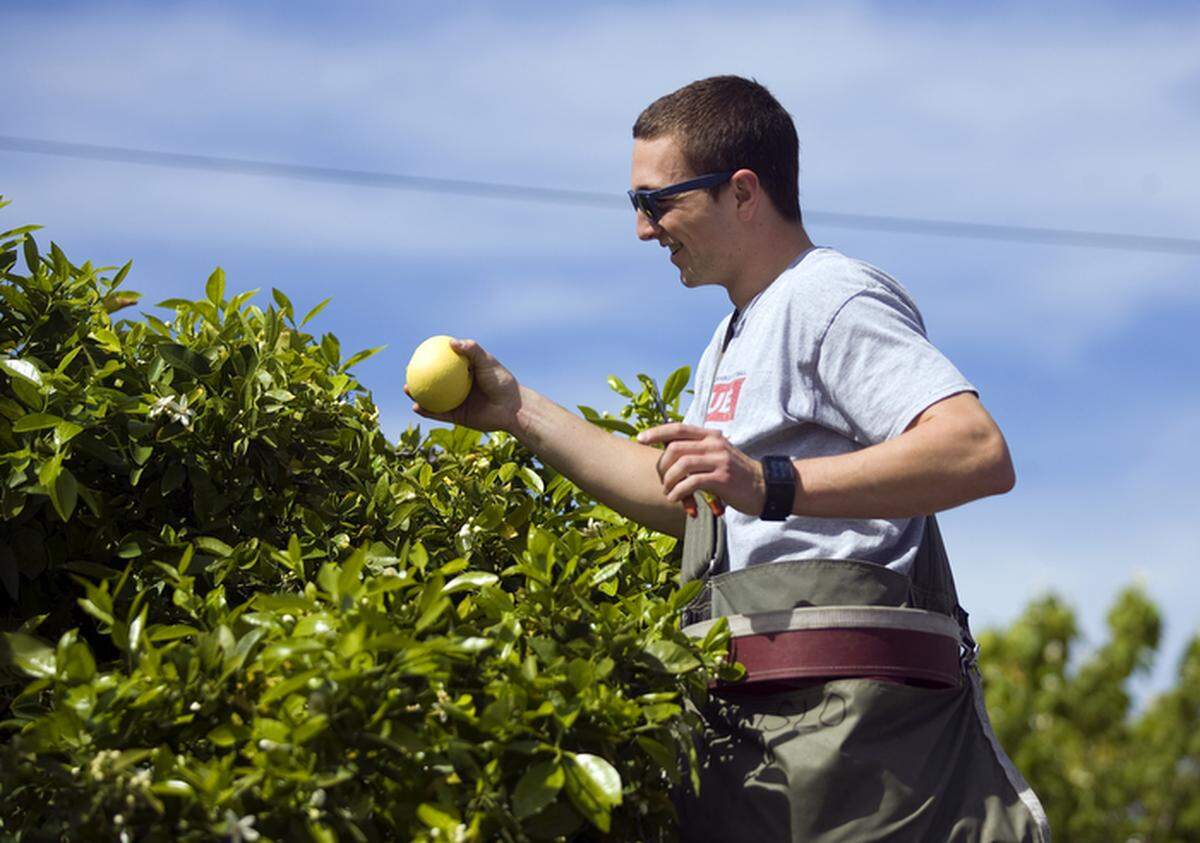
Harmon recommended bumping the goal up to 15,000 new trees in the city by 2035.
Cal Poly professor Jenn Yost spoke at the meeting and said that a recent student project, using satellite data, showed the city has 13% canopy cover, referring to the amount of tree coverage citywide.
Yost said trees provide a number of benefits that are helpful to communities, including shade and stormwater runoff.
“The 10-Tall Tree Initiative (planting 10,000 trees) would be an opportunity to take that 13%, which I think everyone would agree is very small, and increase that,” Yost said.
SLO hopes people will use cars less
SLO also wants to see at least 40% of drivers in town use electric vehicles (EVs) within the next 15 years, which Read said can partially be achieved as pricing for EVs drops to compete with gas-fueled cars.
The city’s personal mobility goal for 2035 is 50% vehicles, 20% bicycles, 12% public transit, and 18% walking, carpools and other forms.
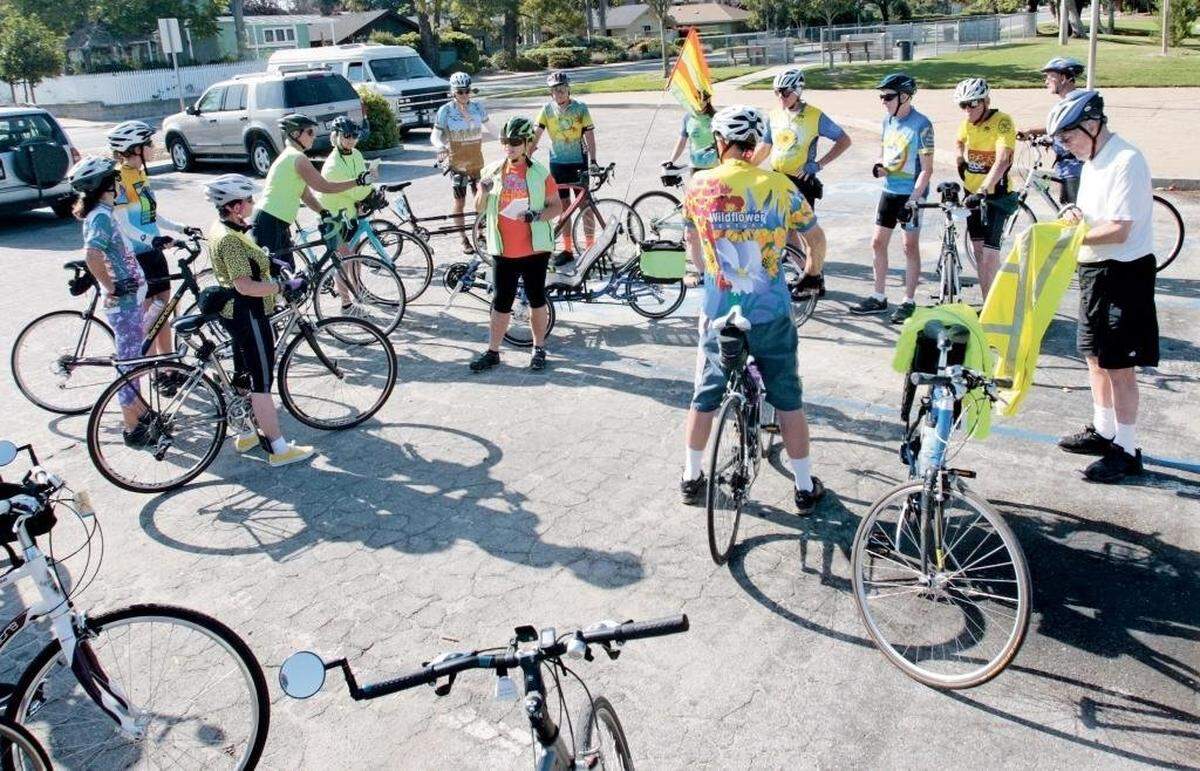
Ideas for achieving transportation goals include:
▪ Adding more electric vehicle charging stations, noting incentives through Monterey Bay Community Power.
▪ Increasing investment in pedestrian paths and bikeways, along with improved bus transit and bikesharing.
▪ Continued focus on housing production near the city’s urban core where people can more easily use alternative transportation.
Food and organic waste contribute to emissions
Organic waste goals can be achieved in part by making sure people and businesses are using green bins for disposal of materials, Read said.
Green bins divert grass, clippings and other items to the anaerobic digestion facility in SLO and convert them to electricity, instead of allowing the waste to be tossed in the landfill where it turns into methane.
And better methods of preserving food, mostly tossed by super markets just before expiration, can be taken out of the waste stream and offered to the Food Bank and Green SLO, Read said.
“There is a remarkable amount of packaged and other foods that get thrown away that are fine,” Read said.
Meeting carbon neutrality goals remains challenging
Already the city is moving toward a new policy that would require all-electric building standards for new construction.
The council passed the policy, but it’s awaiting a review from the Fair Political Practices Commission on a conflict-of-interest claim against architect Andy Pease, who voted on the issue.
Pease has denied any violation of laws in her vote, but the proposed policy is on hold.
Even if the city follows through on the multi-faceted climate action approach, it still will be about 104,000 metric tons short of its carbon emissions goals, city officials said.
City leaders said they hope to find ways to make up that difference with new technologies and funding as climate action increasingly becomes a priority.
“There will need to be significant investments at the state and federal levels, far above where we are now, to get down to true (net) zero,” Read said. “That said, by adopting a carbon neutral target, and identifying this framework and pathway, it puts us in a good position so that when those funds do materialize, we are shovel ready in going out to receive those funds.”
Read said it additionally makes the city competitive for private funding and philanthropic sources.
%20Cropped.jpg)