
Only 1 California clinic has joined Biden’s Cancer Moonshot program. And it’s in SLO County
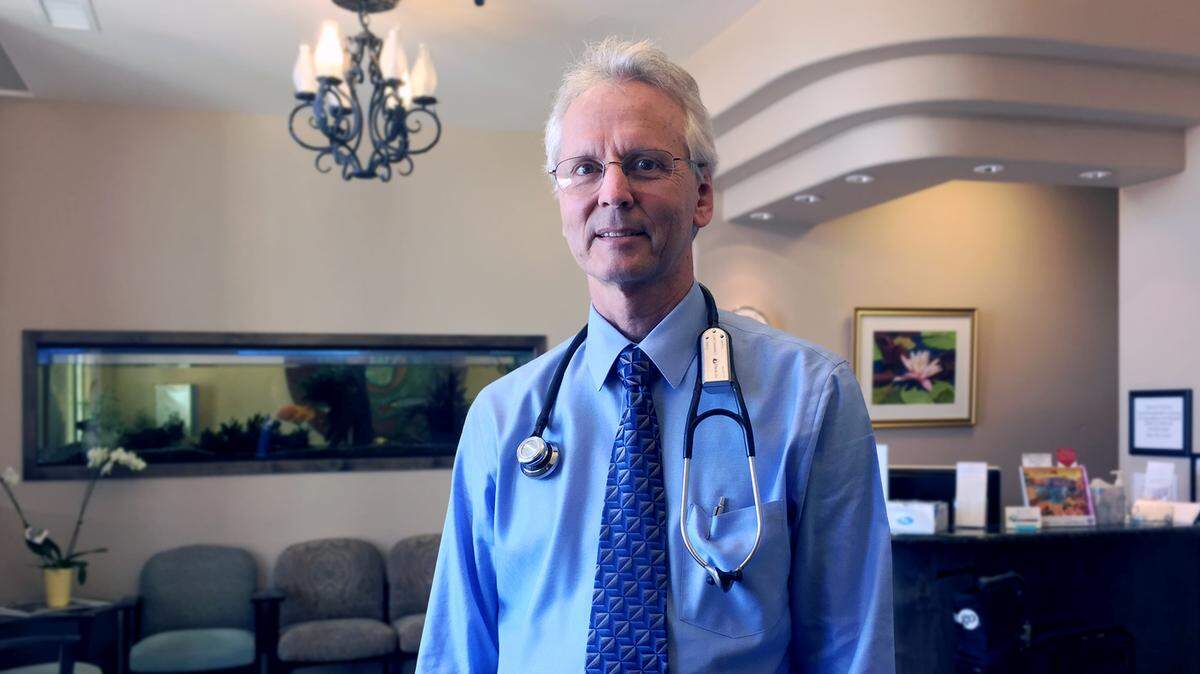
An Arroyo Grande cancer treatment and research practice has received a unique distinction that places it at the forefront of research in the United States.
PCR Oncology has been approved as the first location in California to join the federal Cancer Moonshot program, whose mission is to broaden and accelerate the pace of cancer research.
Launched in December 2016, Cancer Moonshot — which has been called a “once-in-lifetime opportunity” for the cancer community and nation — is supported by President Joe Biden, who helped develop the initiative during his time as vice president following the death of his son, Beau, in 2015, due to brain cancer.
PCR Oncology was selected for the program on Feb. 28 and is now one of 73 study locations across the nation.
Some states — such as Michigan, Maine and Nevada — have several different participating research groups. But in California, only the Arroyo Grande office has been approved so far.
Dr. David Palchak, the practice’s founder, said that his office has had an ongoing relationship with NCI through partnerships on cancer research, including many clinical trails the medical oncology practice has participated in, and the agency reached out to PCR about joining Cancer Moonshot.
“They were looking for a (medical group) in a rural location that has treated minority patients, and we have some track record of treating ethnic minorities,” said Palchak, who opened his practice in 1994. “We certainly consider this an honor, and we’re very excited about participating.”
In joining Cancer Moonshot, the San Luis Obispo County medical practice has begun offering patients with incurable forms of the disease the option to participate in federal research, which could help prolong their lives in part by finding treatments the disease can’t easily resist.
The program is open to patients with five common forms of cancer: lung cancer, colorectal cancer, prostate cancer, gastroesophogeal cancer, melanoma and multiple myeloma. Breast cancer is not among the study’s focus areas.
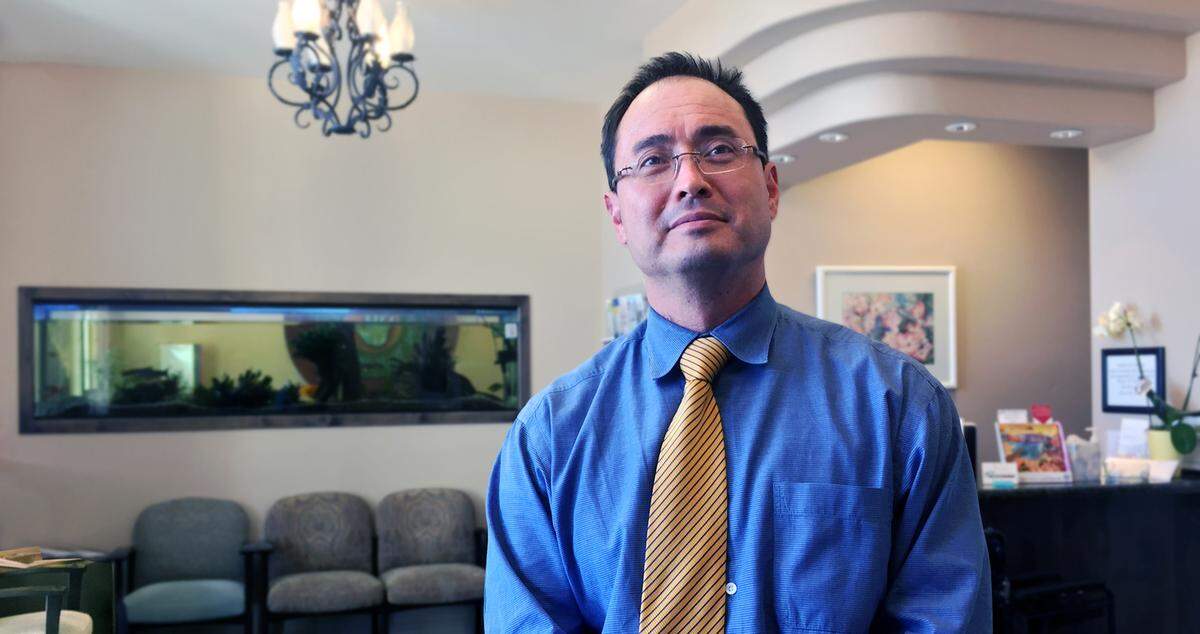
Palchak is one of two PCR Oncology physicians, along with Dr. Erick Hjortsvang, who typically treat 11 to 13 patients per day. Aside from the Cancer Moonshot study, their office is open to anyone who has contracted most forms of cancer.
“There are many people on Earth with incurable cancer who can live for many years after contracting their disease,” Palchak said. “This program will offer patients an email from the National Cancer Institute advising them on the best treatment for them. How much weight does that carry in giving someone confidence about the type of treatment they’re getting when it’s coming from the NCI, one of the world’s leaders in cancer studies?”
How the Cancer Moonshot program works
Patients who participate agree to donate blood and tissue samples to a nationwide database system administered by the National Cancer Institute, called the “Biobank.”
A biomarker test then “looks specifically at the genetic errors and other changes in your cancer. It does not provide information about genes you were born with,” the NCI website notes.
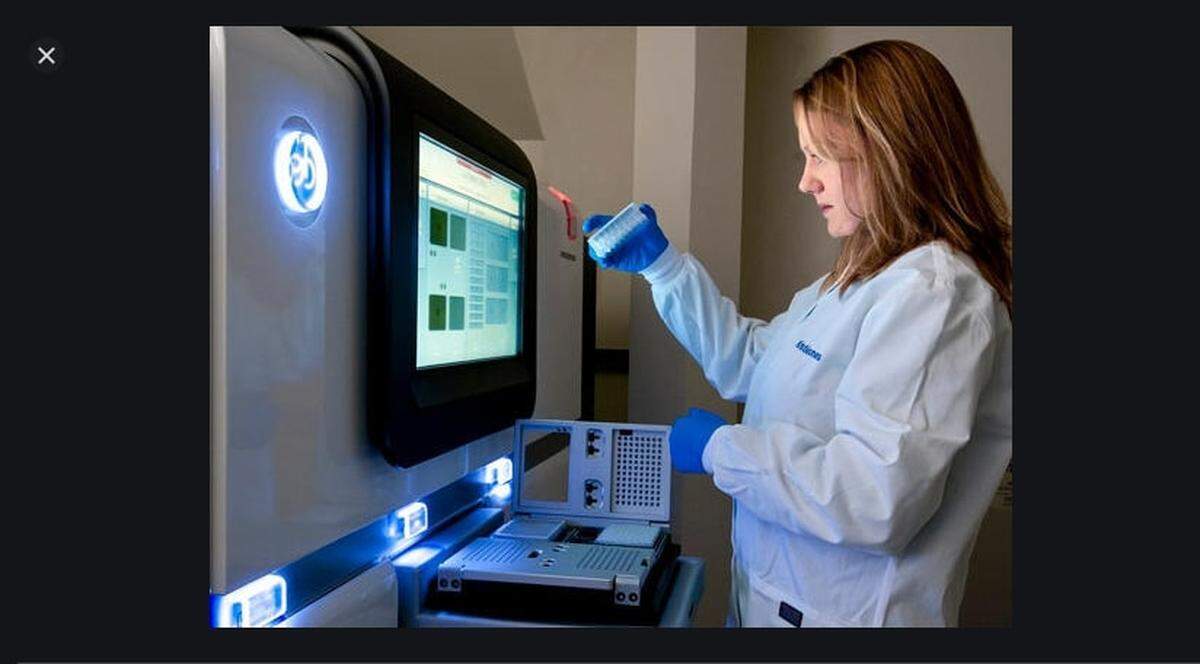
The NCI’s repository then catalogs gene mutations and the locations of where the genes changed form.
Among its initiatives, Cancer Moonshot uses comprehensive tumor profile data “to expand knowledge about what therapies work, in whom, and in which types of cancer,” according to the program website.
Genetic changes can help suggest “the targeted therapies, immunotherapies, or clinical trials that might be right for you,” the Moonshot program says.
Patients, who must be willing to undergo biopsies, then can go over results and options with the doctor.
The results not only help the patient but also the national program, by improving the scientific knowledge base and understanding better how to treat cancer.
Palchak said that health privacy is carefully protected, and that patient data is not shared with private companies.
He said the program is mindful of past abuses of personal medical privacy issues that researchers have used to advance scientific understanding — and this study won’t repeat those mistakes.
“This is a rare chance for patients to be selfish and altruistic at the same time,” Palchak said.
%20Cropped.jpg)