
SLO man’s daughter fought cancer. Now he’s helping others find doctors, hope
When his daughter was diagnosed with a rare form of cancer at age 12, San Luis Obispo resident Frank Kalman found the experience of navigating the medical care system overwhelming.
One day, he recalled, none of the treatments for his daughter, Calli seemed to be working.
“It took everything I had just to put one foot in front of the other and keep on moving that day,” said Kalman, who remembers going to the roof of a hospital in Los Angeles and feeling physically paralyzed and emotionally defeated.
Although Kalman felt helpless at times, his perseverance, research and willful advocacy for his child paid off.
Now Kalman is helping others going through similar challenges while seeking cancer care as the executive director of End Kids Cancer.
His nonprofit organization focuses on financially supporting clinical research and trials to cure neuroblastoma, as well as connecting local people with the medical care they need.
A battle with neuroblastoma
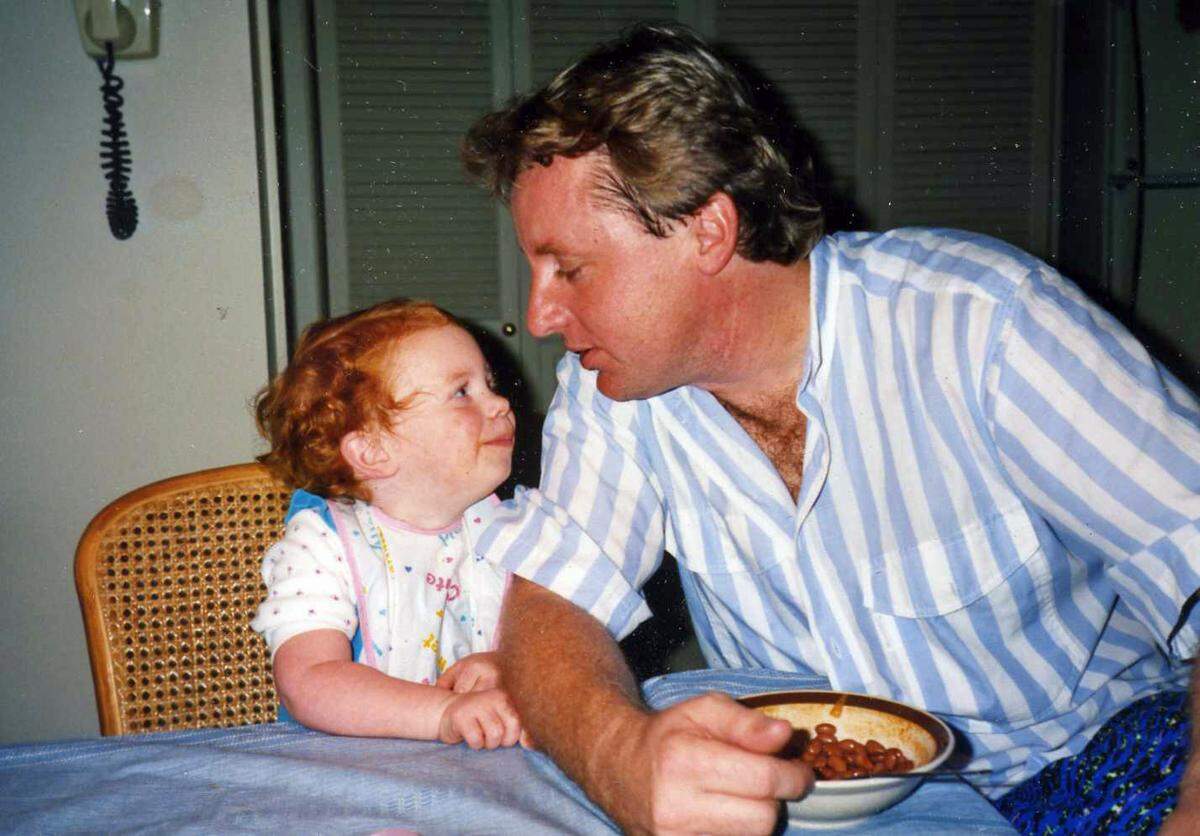
About 18 years ago, Calli Calvert felt a lump on her side and pain that turned out to be a solid tumor.
Doctors diagnosed her with neuroblastoma, a rare disease that develops from immature nerve cells that is most common among children age 5 and younger.
The cancer most often arises in and around the adrenal glands, located on top of the kidneys, which make hormones that control important functions such as heart rate and blood pressure.
About 700 new cases of neuroblastoma are diagnosed in the United States each year, according to KidsHealth.org.
As his daughter underwent a “long journey” of treatment, including three major surgeries and 150 weeks of chemotherapy, Kalman learned that he had to keep on searching for ways to help Calli.
“Through my experience as a father of a child with cancer, I learned so much,” Kalman said. “I learned to trust doctors but verify and learn to get a second and third opinion with being afraid of offending your doctor.”
“I also learned that hope is a function of options,” he added. “I lost my own hope when I felt like options for my daughter had run out.”
Inspired by his experiences, Kalman published a 26-page pamphlet that serves as a practical guide to seeking the best possible cancer care, which has been applauded by doctors as a valuable resource for families facing a similar battle.
Kalman was invited to the White House in 2016 by then-Vice President Joe Biden to represent pediatric cancer research at the Cancer Moonshot Summit.
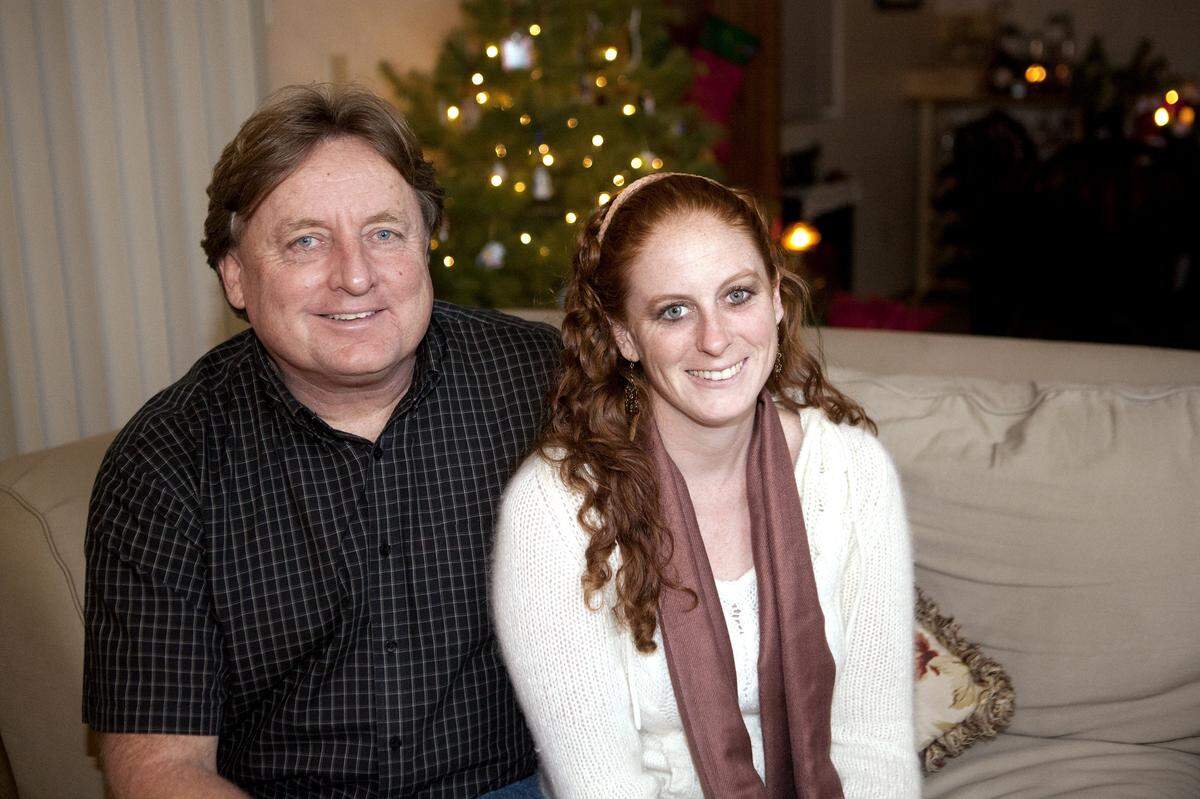
Meanwhile, his daughter, now 30, is doing well. The San Luis Obispo High School graduate, who earned a degree from Cal Poly, is married and living in Templeton.
What is SLO nonprofit End Kids Cancer?
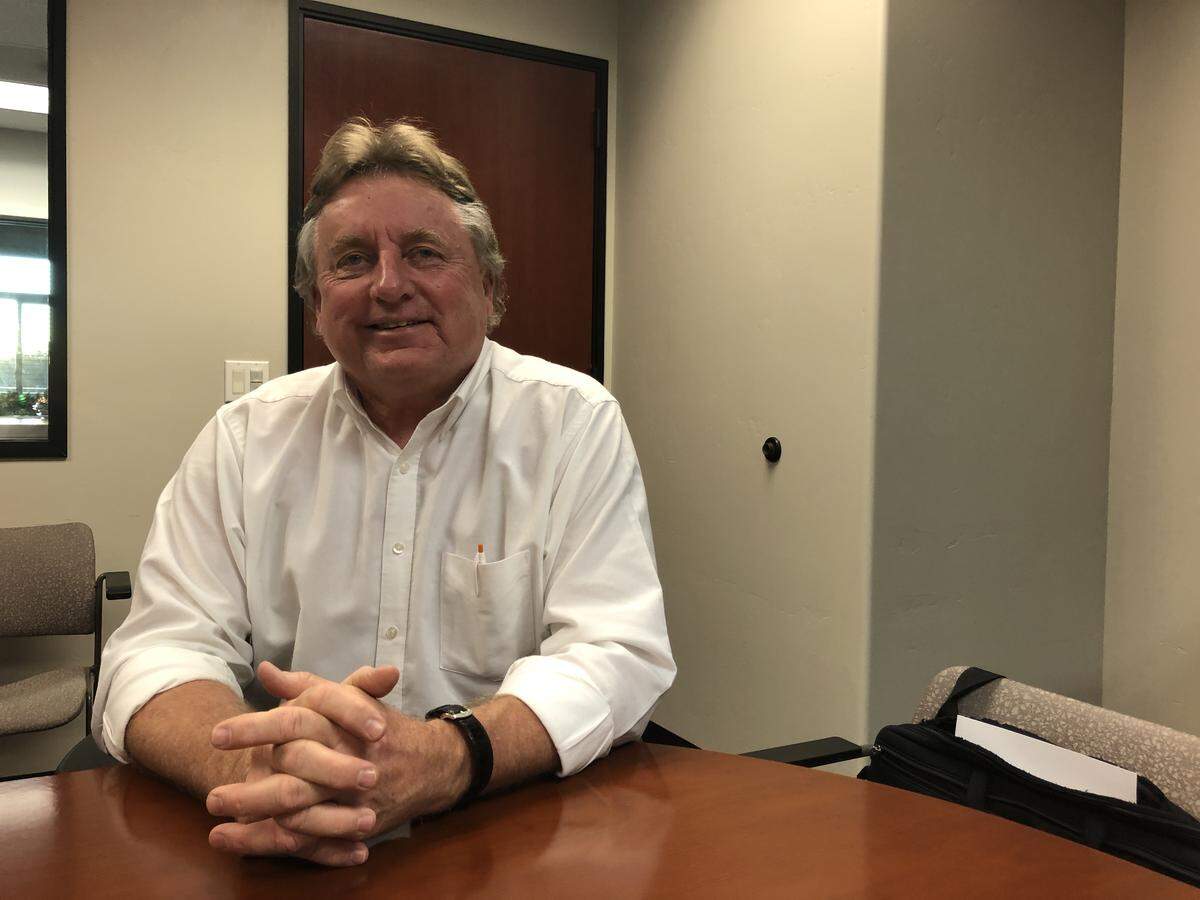
Kalman founded Kins End Cancer in 2011.
The nonprofit helps fund research — such as a vaccine that has increased the number of kids diagnosed with neuroblastoma that do not relapse to 55% — by raising money through donations. The survival rates of children with the disease were in the single digits when the Kalman family began its journey in 2001, according to the organization.
Research has also led to a better understanding of what bacteria in the gut can impact treatments, Kalman said. Bacterial transplants or increased amounts of certain bacteria can improve the effectiveness of the cancer treatments.
The organization’s funding includes grants from Amgen, Genitec, Hearst Foundation and United Therapeutics Corp., Kalman said.
Additionally, End Kids Cancer provides funding for kids in San Luis Obispo County with neuroblastoma to get treatment from doctors in other parts of the country.
“These doctors are keeping children alive after other centers have turned them away, telling their parents to go home and call hospice,” End Kids Cancer stated in its executive summary.
Those patients will likely need to consult with specialists out of state, Kalman said, such as the doctors in New York who treated his daughter.
“We are here to help people from Santa Maria to King City with where to go and how to get there,” Kalman said. “We’ll offer assistance with cost and direction.”
The medical advisory board of End Kids Cancer includes Rene Bravo, a longtime pediatrician on the Central Coast, and six other doctors based around the United States. The organization’s advisory board includes Cal Poly president Jeff Armstrong.
Kalman said the doctors the nonprofit supports include physicians at large medical institutions. But, he added, they are “on their own to raise their research funds and that’s why they rely on foundations like ours.”
“Two of the trials we have supported have been followed up by multi-million dollar investments by the U.S. Food and Drug Administration and the National Cancer Institute,” Kalman said.
‘Practical guide’ to the best medical care
Kalman has worked with a number of doctors nationwide and shared his 26-page pamphlet “Steps to Hope: A practical guide to seeking the best possible cancer care” with them.
“I get calls from families all over the country saying how helpful it has been,” Kalman said.
One motivation for creating the booklet was seeing eight of his daughters’ friends die, all from neuroblastoma, he said.
“I remember just feeling crushed by that,” Kalman said. “If you hear ‘We’ve done all we can do for your child,’ don’t believe it.”
His guide advises patients and their loved ones to never to accept a doctor’s opinion that all has been done to save someone. It also recommends that they seek multiple doctors’ opinions and find the best medical center possible for a specific disease.
“Many times there was a doctor trying to help my daughter and the last thing I wanted to do was offend him,” Kalman said. “The truth is, every time I made this type of request, the doctors were very accommodating. But was still hard. Every single time.”
Kalman said he discovered that highly regarded medical centers in California didn’t have as many specialists as facilities such as Memorial Sloan-Kettering Cancer Center in New York City, where his daughter was treated with success.
“This is difficult to write, because I do not mean to demean the dedicated, talented professionals who work at the hospitals in my community,” Kalman said. “But the thrust I maintain could not be simpler.
“When my daughter’s life is at stake, I want experience on my side. In the medical world, experience is based on the number of times a professional has directly faced your problem with hands-on involvement.”
Kalman said women in particular have a hard time leaving their families when faced with a serious disease, but cancer patients often need to do so to get the best care.
Recalling the day that he almost lost hope, Kalman said, “I realized I had to look for more options and that I needed to be responsible for the outcome, not rely on anyone else.”
“I learned that by becoming active and not passive, I could identify more options for improving the outcome of my daughter’s cancer,” he said.
For more information on End Kids Cancer, go to http://www.endkidscancer.org/.
%20Cropped.jpg)