
SLO biotech company joins fight against coronavirus — by supplying test kits
A Wisconsin-based biotechnology company with a facility in San Luis Obispo is helping to meet the vast demand of coronavirus test kits worldwide.
Promega Corp., which employs 75 people at its Promega Biosciences subsidiary in San Luis Obispo, has produced materials used in testing about 25 million potential coronavirus samples around the world, according to company officials.
More than 50 different Promega products are used by clinical diagnostic laboratories and molecular diagnostic manufacturers to support novel coronavirus detection globally, including reagents.
Promega’s reagents help make up the mixture used in chemical analysis to detect the virus that causes COVID-19. Company products are part of 15 different test kits that lab researchers worldwide use to identify coronavirus cases.
Test kits have proven vital in identifying new cases and stopping the spread of the virus, according to public health officials.
“The biotech industry in general is facing raw material shortages, particularly for sample preparation kits,” said Kristen Yetter, Promega Biosciences general manager. “This is not surprising given suppliers are struggling to increase production 100-fold in less than a few weeks.”
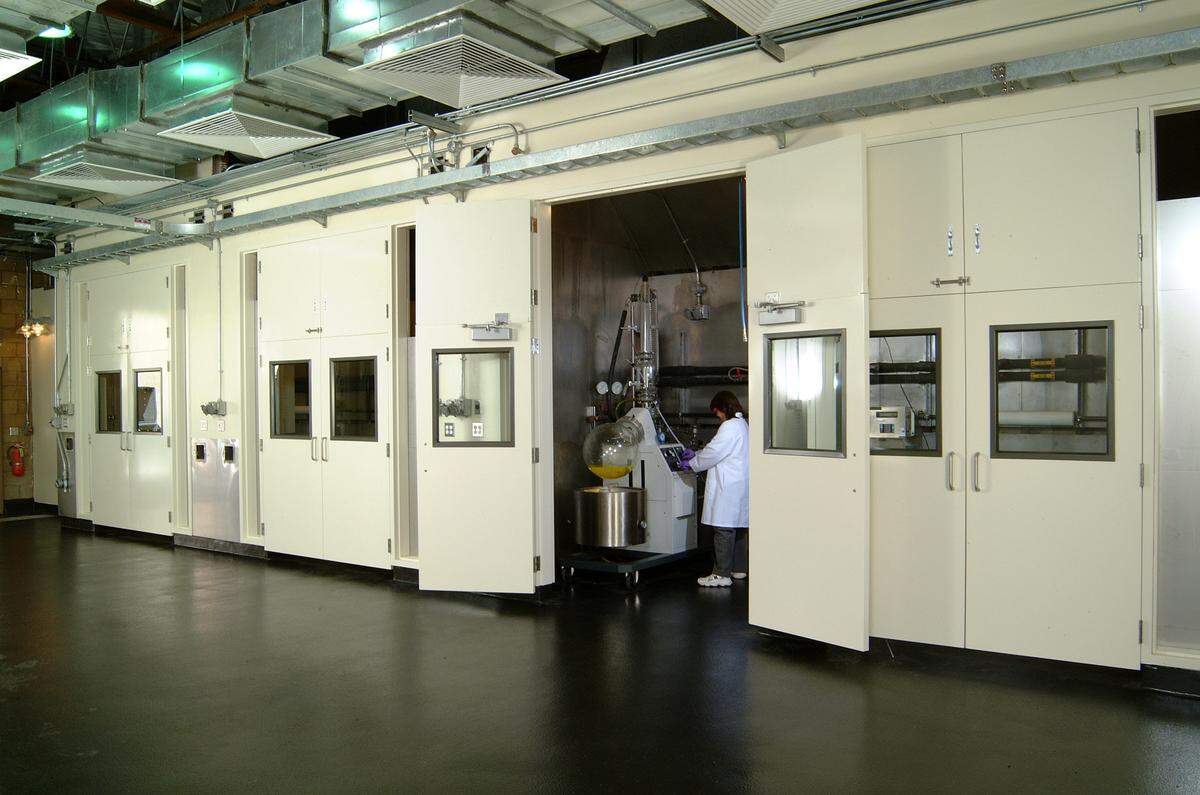
Promega produces materials for COVID ests
Having already produced tools used in testing types of COVID viruses for years, Yetter said that Promega Corp. anticipated the demand for testing materials as the novel coronavirus pandemic emerged in China.
Since January, the company since has escalated manufacturing significantly in its facilities in Madison, Wisconsin,; California, South Korea and China. And it’s redeploying research and development scientists to work on enhancing COVID-19 virus detection tools.
“In Madison, production lines that were running one shift, five days a week, are now operating three shifts, seven days a week,” Yetter said.
Promega Biosciences (PBI), which has been part of the San Luis Obispo business community for the past 20 years, is the organic chemistry arm focused on the invention, development and manufacture of fine and specialty chemicals used in Promega products, according to company officials.
“PBI provides Promega with seven key materials required to manufacture the COVID-19 kits,” the company said. “PBI has significantly increased manufacture of these compounds to in order to meet Promega’s growing demand.”
How do you test for coronavirus?
Coronavirus testing involves taking a nasal swab from a patient at a medical facility.
Then viral RNA, the polymeric molecule essential in coding and decoding genes, is extracted from the swab and isolated and preserved. That’s like “finding a needle in a haystack,” and a common practice in life sciences work, Promega company officials wrote in an email.
Researchers then test for the virus by “copying the (viral RNA) needle we found in the haystack millions of times so we can better examine it,” the officials wrote.
Promega’s contributions to the testing process include:
components that currently support about 15 types of COVID-19 test kits around the world,
sample preparation tools for 340 clinical labs worldwide (up from 240 labs the week ending March 27), and
enough amplification reagents and enzymes to enable testing an estimated 24.9 million samples for the COVID-19 virus worldwide.
Promega products used by labs, hospitals and CDC
Promega offers custom products that may be combined with reagents from other companies, as public and private diagnostic labs and test kit manufacturers assemble their approved tests and further distribute them to other labs and customers, company officials said.
Hospitals, clinical diagnostic laboratories and molecular diagnostic manufacturers are Promega’s largest market segment. The federal Centers for Disease Control also uses a Promega test product for emergency use.
“Thanks to the CDC acting quickly to make product additions to their protocol, labs now have one more CDC-approved master mix when performing the 2019-Novel Coronavirus Real-Time RT-PCR Diagnostic Panel,” Heather Tomlinson, Promega’s director of clinical diagnostics, said in a news release. “The Promega (product) expands the testing capacity in the U.S. by being another option for labs to use for the amplification process in the CDC’s testing protocol.”
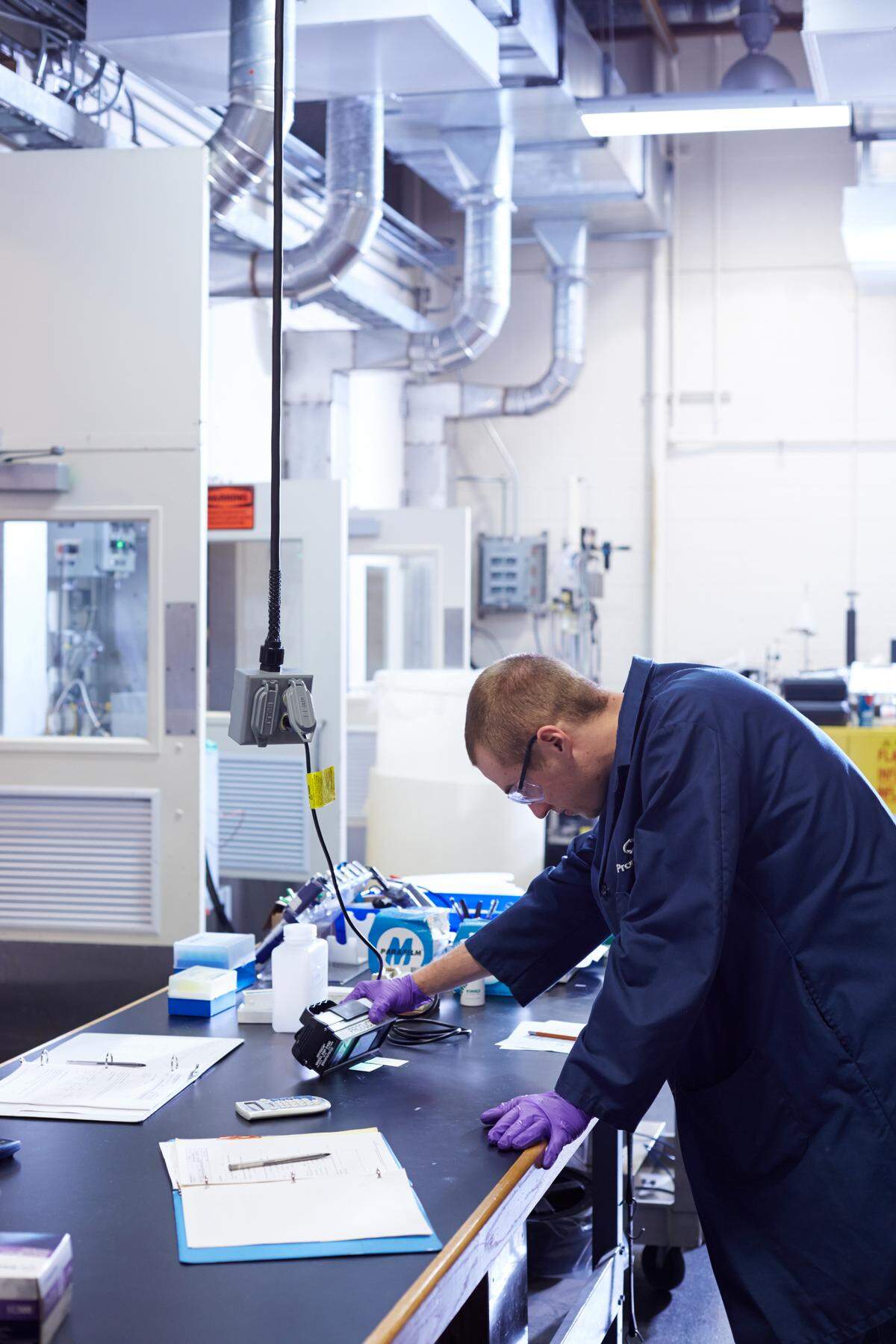
Promega has immediate job openings for project employees in product finishing, company officials said.
About two-thirds of the company’s employees are working from home to practice social distancing and the 350 workers in manufacturing are working split shifts to practice social distancing, using personal protective equipment where appropriate.
“At PBI we are doing everything in our power to keep our employees safe and meet the unprecedented demand of critical reagents for Promega,” Yetter said. “Everyone at Promega and Promega Biosciences feels a deep commitment to humanity’s struggle against COVID-19, especially given our highly specialized capacity to contribute to this fight.
“We are putting every effort forward to assure supply of these kits.”
%20Cropped.jpg)