Carpenter bees can dig into your CA home or deck. Here’s how to keep them away
Are giant black bees buzzing around your backyard?
That could be bad news for your home, deck or fence, according to California pest control experts.
Carpenter bees use their powerful jaws to burrow into wood, leaving “siding, sheds, garages, play sets and wooden patio furniture scattered with ugly holes,” according to AAI Pest Control in Modesto.
“While they are essential pollinators, their burrowing behavior can cause significant structural damage over time,” Apex Pest Control in Sacramento said.
Are carpenter bees dangerous? Do they sting? And how can you get rid of them?
Here’s what to know:
How can I tell if I have carpenter bees in California?
Three kinds of carpenter bees call California home, according to David Headrick, Cal Poly professor emeritus of entomology and pest management.
The most common type is Xylocopa varipuncta, also known as the Valley carpenter bee.
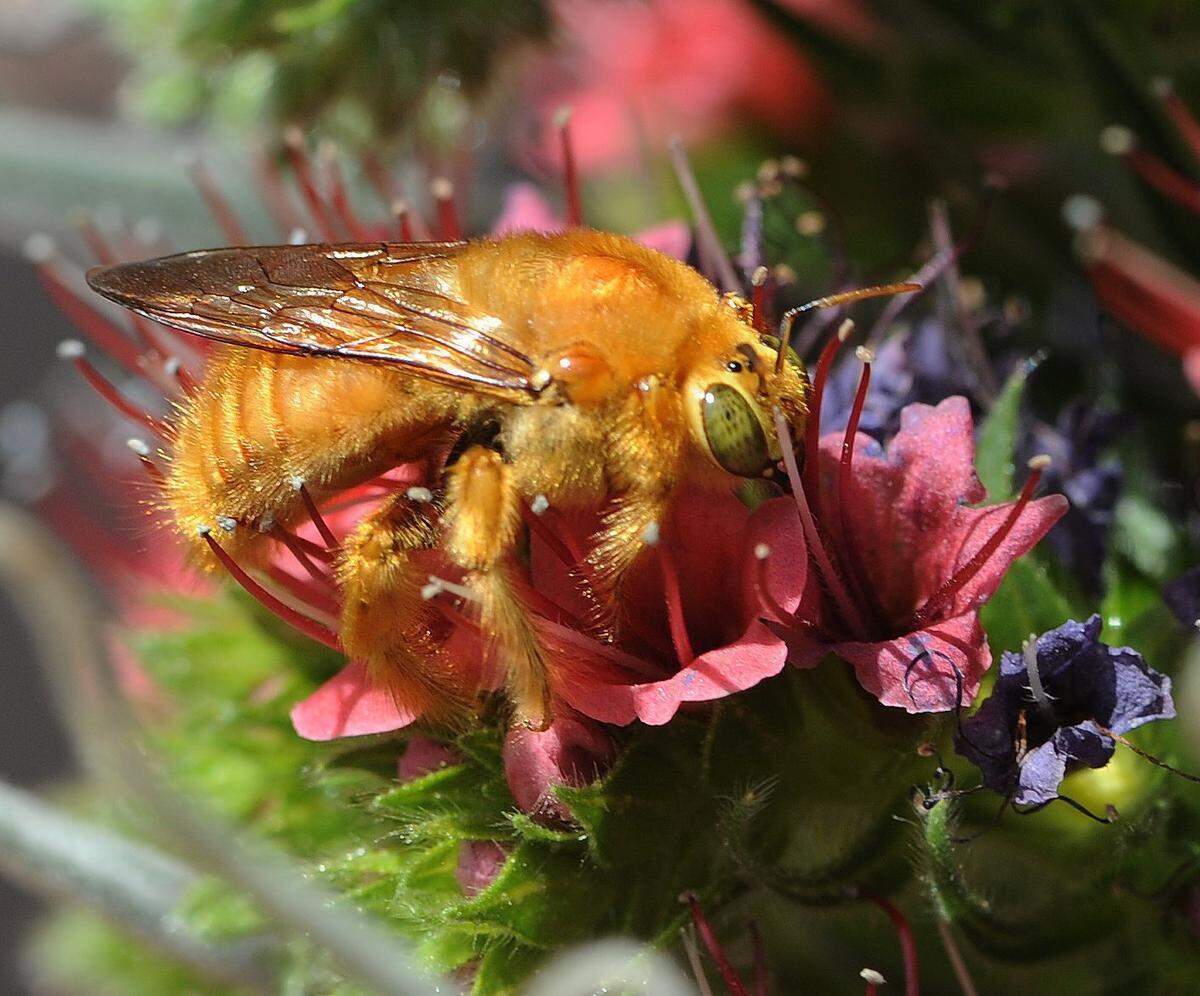
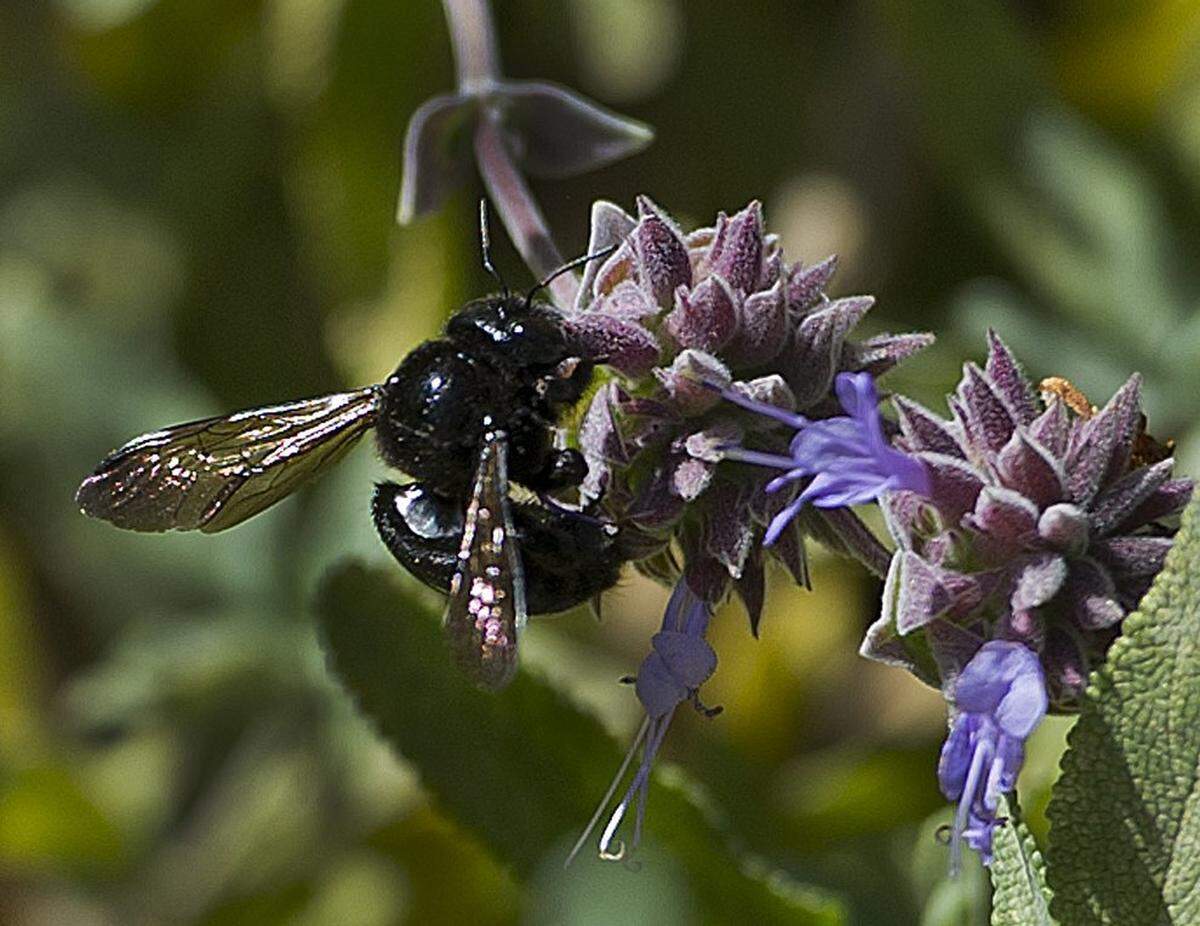
Female Valley carpenter bees are a dark, iridescent blue, while the males are covered with golden brown fur.
They’re found across the western United States as well as Hawaii, Florida and “all of Mexico,” Headrick said.
These “large and robust insects” resemble bumblebees but they’re much bigger, according to the University of California’s Statewide Integrated Pest Management Program.
Females can measure up to 1 inch long, the program said.
You might also encounter Xylocopa californica, the California carpenter bee, or Xylocopa tabaniformis orpifex, a subspecies that’s called the foothill carpenter bee, Headrick said.
When can I expect to see carpenter bees?
Carpenter bees are active from early March through October in Northern and Central California, according to Best Bee Brothers.
In Southern California, the brawny bees are active from February through October, the Wisconsin company said.
“Carpenter bees thrive in warm weather,” Best Bee Brothers said. “The warmer the climate, the longer the activity period.”
You’re most likely to notice the big insects in the spring and early summer, when they emerge from their overwintering tunnels to find mates, create nests and lay eggs, experts said.
What are common signs of a carpenter bee infestation?
According to Apex Pest Control, these are common signs that you might have a carpenter bee problem:
- Round, smooth holes in wood
- Sawdust and wood shavings around entry holes
- Buzzing and hovering bees
- Woodpecker activity
“Woodpeckers feed on carpenter bee larvae, so increased woodpecker activity around wooden structures may indicate an infestation,” the pest control company said.
Apex Pest Control said common carpenter bee nesting sites include wooden decks, railings and fences, as well as eaves, fascia boards and wooding siding.
You also might spot the bees buzzing around gazebos, pergolas, play structures and wooden furniture.
Can carpenter bees damage my home? My deck or fence?
As their name suggests, carpenter bees “cause damage to wooden structures by boring into timbers and siding to construct nests,” according to the Statewide Integrated Pest Management Program.
“The nests weaken structural wood and leave unsightly holes and stains on building surfaces,” the pest management program said.
Each hole can lead to a veritable warren of interconnected chambers that bees return to “year after year,” Headrick said.
“Over a period of time, tunnels may extend as far as 10 feet into wood timbers,” the pest management program said.
Do carpenter bees sting? Are they dangerous?
Carpenter bees are “very territorial,” Headrick said. “They put on a show because they’re such big insects. ... They do buzz you a bit.”
Female Valley carpenter bees will only sting if provoked — “You’d have to be literally touching or confining (the bee) in some way before she’d sting you,” he explained — while male carpenter bees can’t sting at all.
“They’re absolutely harmless,” Headrick said.
How can carpenter bees help my garden?
As annoying as those wood-chomping carpenter bees might be, the burly, buzzing insects serve an important role, according to Headrick.
Carpenter bees are “superior pollinators of native species” such as California fuchsia, coyote brush, sticky monkey flower and ceanothus, also known as California lilac, he explained.
The big bees are even adept at pollinating plants with tiny flowers, Headrick said.
They use wing vibrations to jostle loose pollen — a process called “sonic pollination” — before collecting the fine, fertile powder.
According to Headrick, carpenter bees also pollinate nonnative species such as blueberries, melons, tomatoes, eggplant and squash.
How can I get rid of carpenter bees without killing them?
Although pest control companies offer lethal solutions such as carpenter bee traps or chemical treatments, the best way to keep carpenter bees from bugging you is using stained, sealed, varnished or treated wood in building projects.
“Carpenter bees prefer untreated, unpainted, or weathered wood for nesting,” Apex Pest Control said.
You can cover exposed wood such as the ends of timbers with wire mesh or metal flashing, the Statewide Integrated Pest Management Program said, and “fill depressions and cracks in wood surfaces so they are less attractive” to pests.
Carpenter bees prefer softwoods such as California redwood, cedar, pine and Douglas fir, experts said, so you’re better off using hardwoods or artificial wood materials when building.
If you spot a carpenter bee gnawing with its massive mandibles, don’t panic.
Simply wait until the bee has left its tunnel, Headrick said, then use Liquid Nails or a similar adhesive to plug the hole.
“Prevention is the main approach to managing carpenter bees,” the pest management program said.
This story was originally published April 24, 2026 at 9:51 AM with the headline "Carpenter bees can dig into your CA home or deck. Here’s how to keep them away."