Which animals are endangered in California? Here are 10 species to watch
California is the most biodiverse state in the United States, experts say.
The Golden State also has the second highest number of species listed as endangered or threatened in the nation, with 298 mammals, birds, fish and other critters under federal protection.
Animals protected under the California Endangered Species Act range from monarch butterflies to mountain lions.
Learn what animals are endangered or threatened in California:
Why are animals considered endangered? Threatened?
In California, animals and plants on the verge of extinction can be classified as threatened, endangered or fully protected.
Under federal Endangered Species Act guidelines, an “endangered” species is “in danger of extinction throughout all or a significant portion of its range.”
A “threatened” species is likely become endangered in the future.
Under the act, animals and plants can get federal protection as endangered or threatened species due to:
- Destruction, modification or curtailment of habitat or range
- Overutilization for commercial, recreational, scientific or educational purposes
- Disease or predation
- Inadequate regulations
- Other natural or manmade factors
According to the California Department of Fish and Wildlife, the term “fully protected” is only used in California to designate species that are rare or facing extinction.
“Most fully protected species have also been listed as threatened or endangered species under the more recent California Endangered Species Act,” the state Fish and Wildife Department said.
How does the California Endangered Species Act work?
The California Department of Fish and Wildlife adds or removes species to its endangered or threatened lists based on regular assessments.
The California Endangered Species Act aims to protect fish, wildlife and plants that are “in danger of extinction” due to factors including overexploitation, disease, predation and threats to their habitats.
“Conservation, protection and enhancement of these species and their habitat is of statewide concern,” state law says.
For a species to be listed under the California Endangered Species Act, the California Fish and Game Commission must complete a formal listing process.
What are endangered mammals in California?
The gray wolf is protected as an endangered species under state and federal law.
That means it’s illegal to hunt, trap, harass or harm the furry predators.
Gray wolves came close to extinction in California in the 1920s, but the state’s population has gradually rebounded thanks to migrating wolves from neighboring states, according to Earth.org, an environmental news website.
Today, California has nine confirmed wolf packs, with areas of wolf activity in Modoc and Sierra counties, the California Department of Fish and Wildlife said.
Named for its two-footing hopping movements, the giant kangaroo rat is the largest member of the family that includes kangaroo mice and pocket mice. It’s been listed as endangered since 1987.
Giant kangaroo rats can be primarily found in grassland areas in Fresno, Kern and San Luis Obispo counties.
The long-tailed critters face several threats, including agricultural pesticide use and losses of habitat tied to everything from farming to oil exploration and solar energy, according to the U.S. Fish & Wildlife Service.
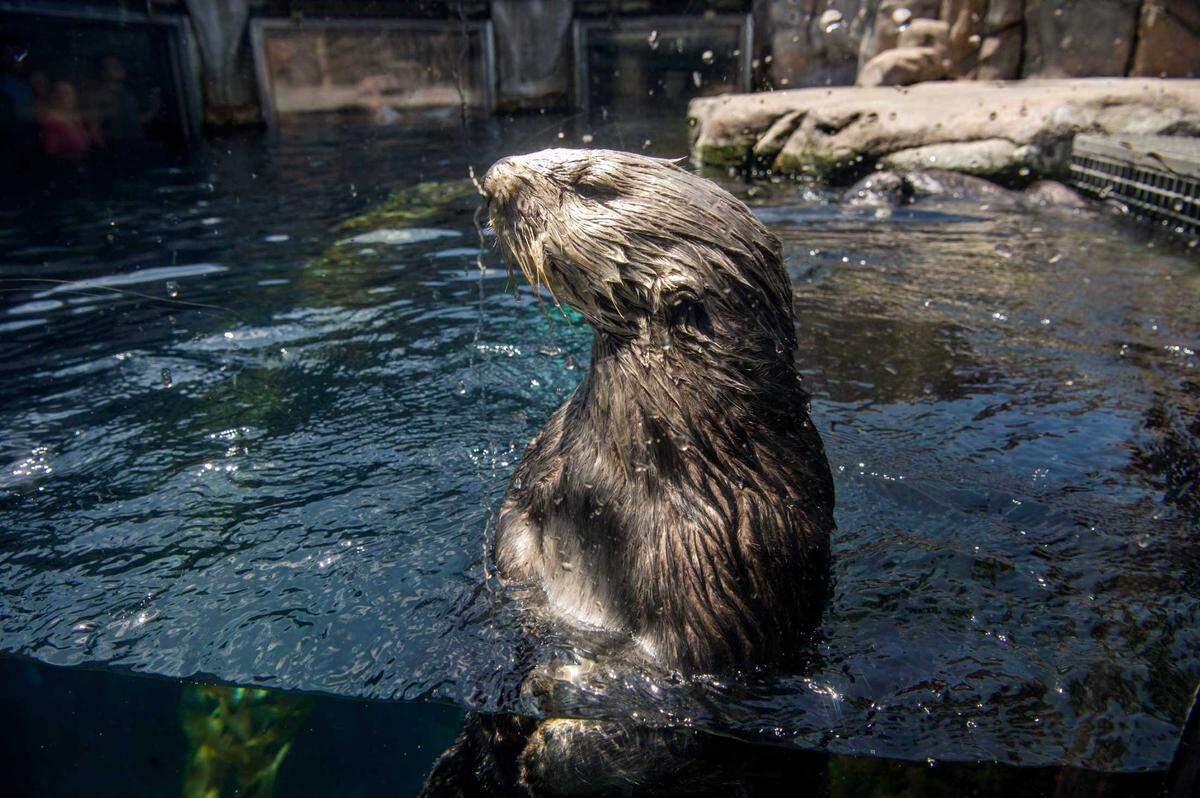
Endangered Southern sea otters can be found along the California coast from San Mateo County to Santa Barbara County. They were almost hunted to extinction due to the fur trade.
Sea otters are crucial to coastal ecosystems as they maintain the balance of kelp forests and seagrass beds, according to apparel company BeCause Tees.
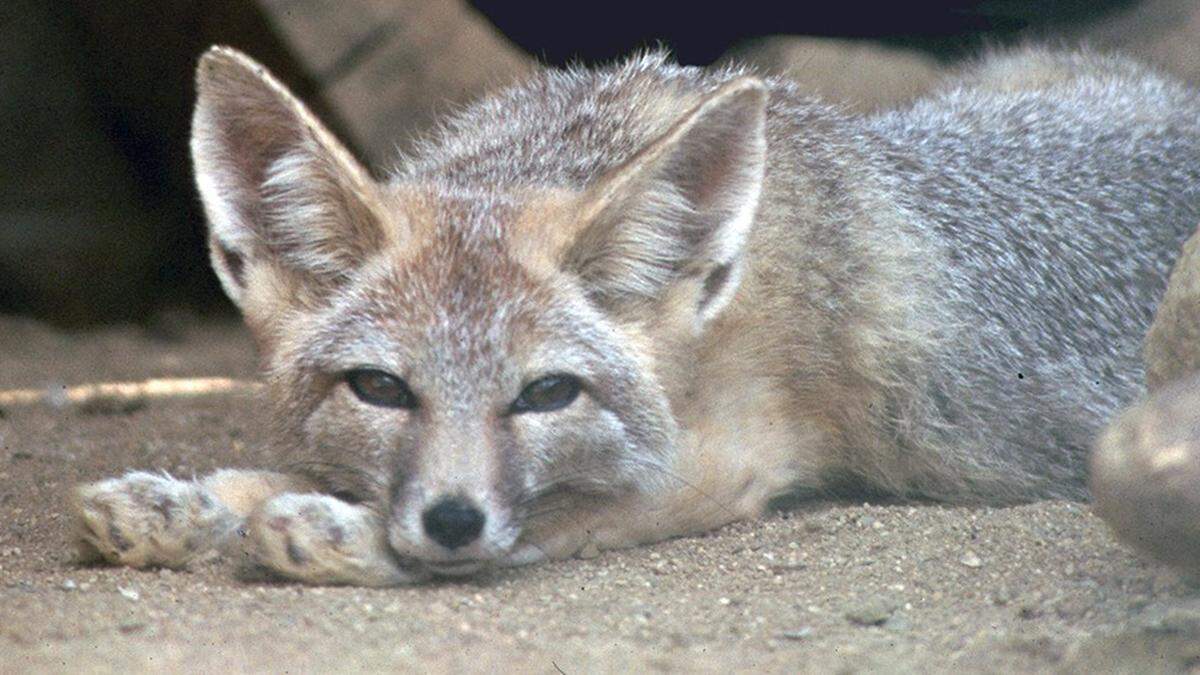
Wildfires, diseases and competition from coyotes, red foxes and domestic dogs are among the threats facing the endangered San Joaquin kit fox.
These small foxes, identifiable by their large ears and bushy, black-tipped tails, roam throughout the San Joaquin Valley, the U.S. Fish & Wildlife Department said. The species’ range includes Panoche and Cuyama valleys and the Carrizo Plain in San Luis Obispo County.
What birds and insects are endangered in California?
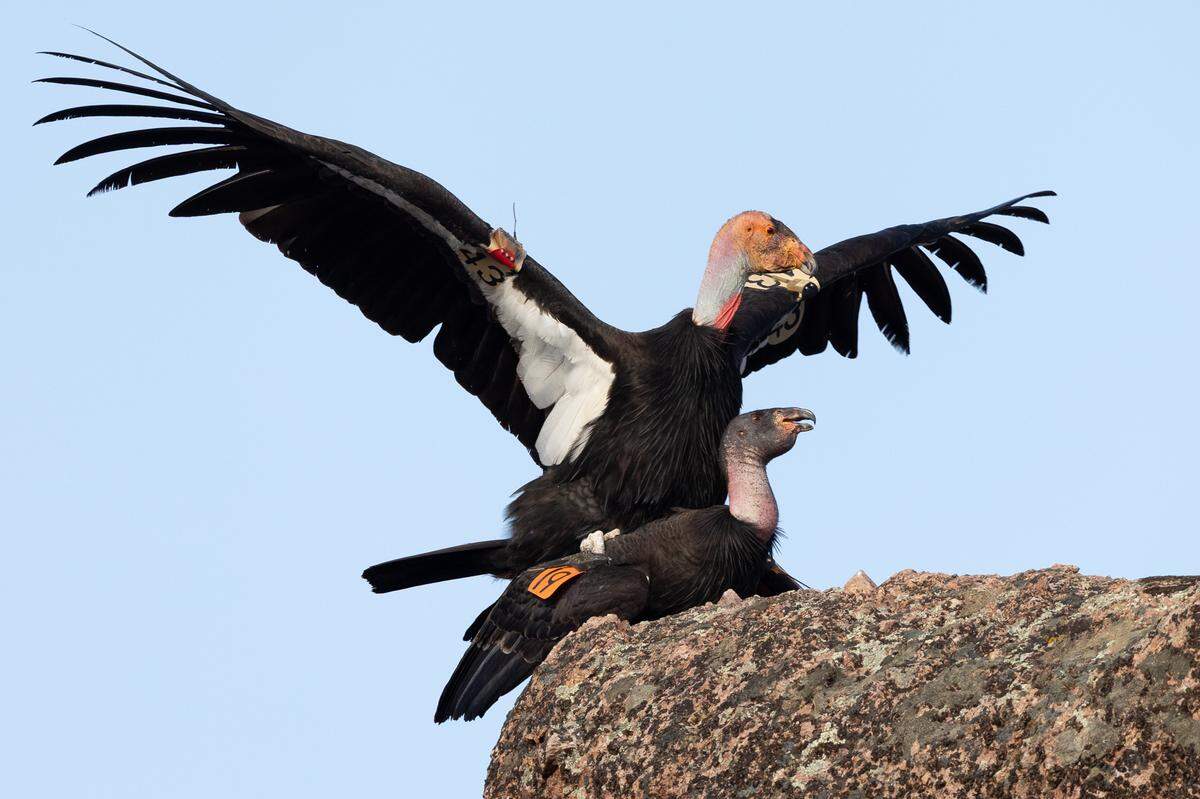
One of the Golden State’s most iconic endangered species is the California condor.
These massive birds, which boast 9-foot wingspans, were “on the brink of extinction” by the 1980s as “populations plummeted due to shooting, poisoning, collisions with power lines, egg collecting and habitat loss,” the Ventana Wilderness Society said.
The U.S. Fish and Wildlife Service’s California Condor Recovery Program has been working with various agencies to “establish robust self-sustaining populations of condors” since 1979.
Now there are 392 California condors in the wild, including 117 in Central California, the Ventana Wildnerness Society said.
In California, insects on the endangered list include the Franklin’s bumble bee, which lives in the Klamath Mountain region of southern Oregon and northern California.
What about fish, reptiles and amphibians?
Delta smelt are small, silver fish that are endemic to the San Francisco Estuary.
The fish species gained endangered status as part of “a serious decline of pelagic fish species” in the San Joaquin River delta, the California Department of Fish and Wildlife said.
Because of loss, degradation and fragmentation of habitats, the Mojave desert tortoise remains an endangered species in California, federal wildlife officials say.
The reptiles have also been impacted by wildfires, disease, roads and predation.
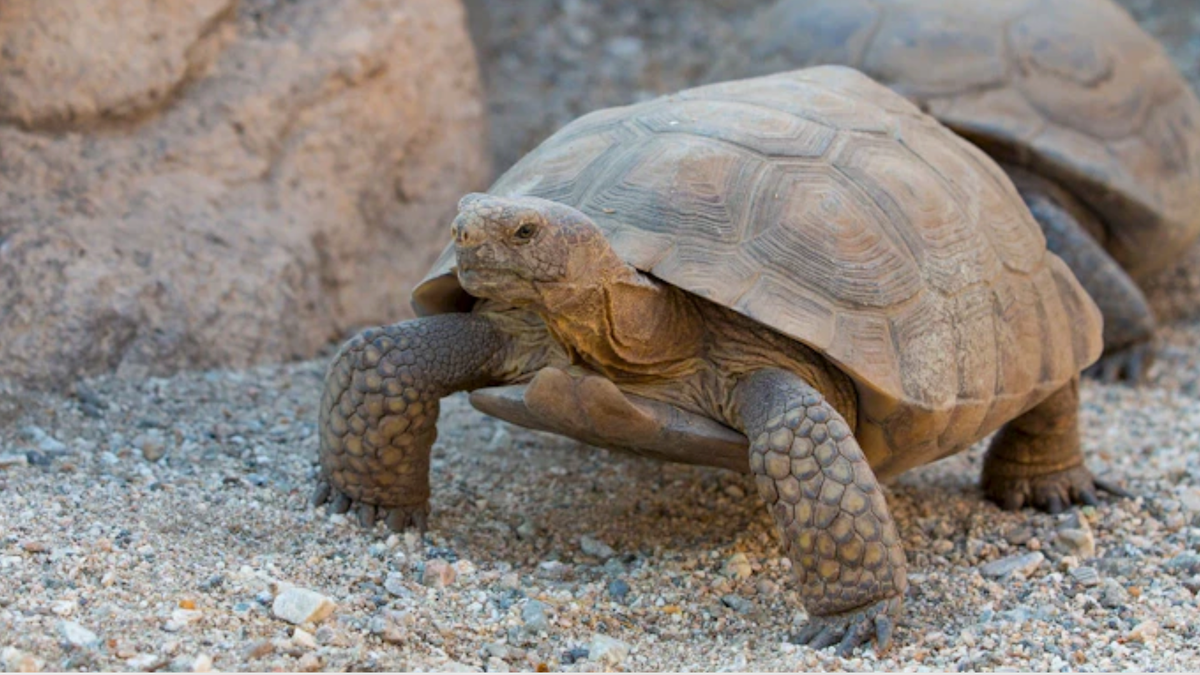
“Tortoise populations have declined approximately 90% since 1970 and all remaining populations are on a path to extinction,” Defenders of Wildlife said.
Endangered amphibians in California include the desert slender salamander, a subterranean amphibian found in just two spots in Riverside County.
“As global warming brings higher temperatures and even dryer conditions to the region, the moist habitats that salamanders require are slowly disappearing and drying out,” Earth.org said.
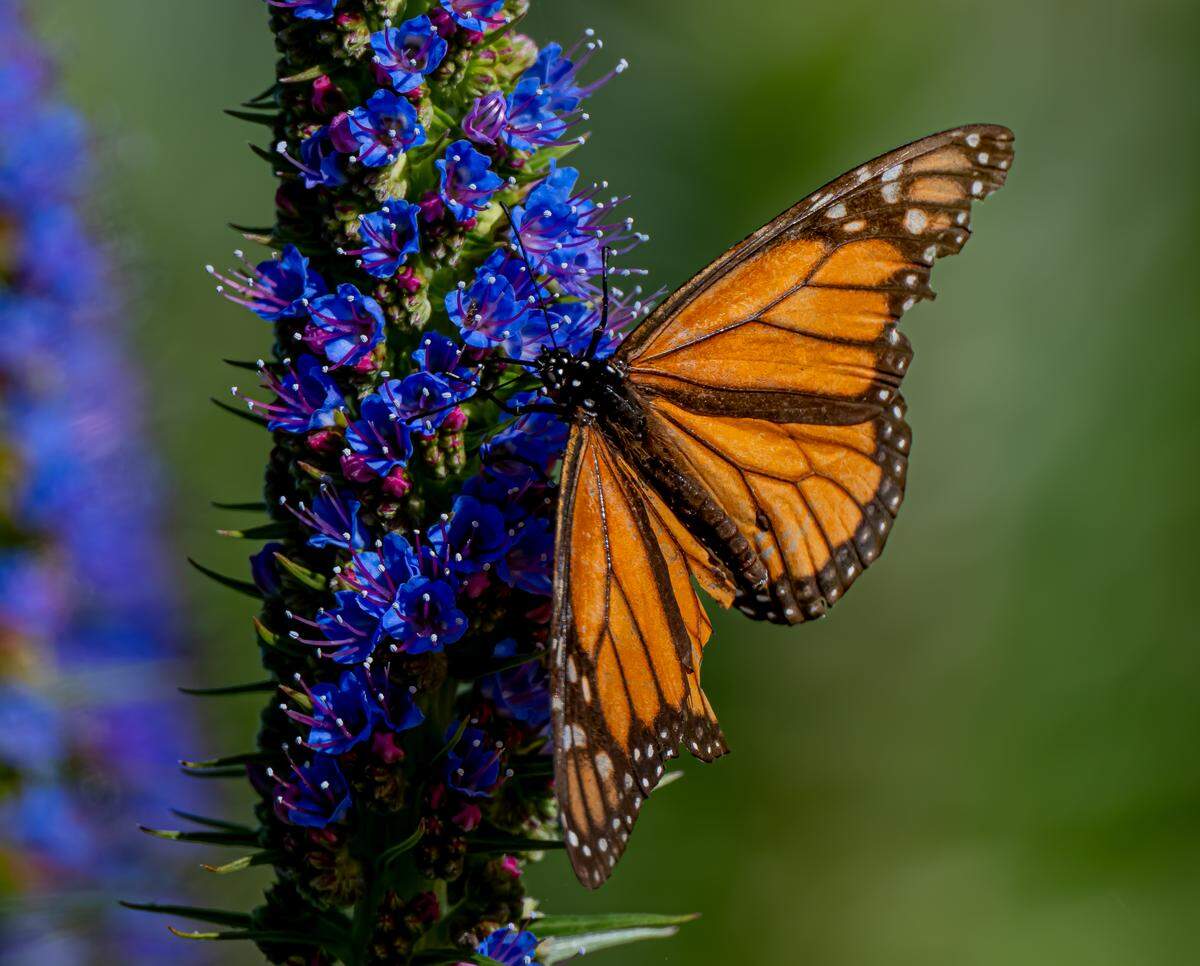
Are monarch butterflies endangered?
Western monarch butterflies are known for their long-distance migrations from Mexico to overwintering sites across coastal California, including the Pismo State Beach Monarch Butterfly Grove.
Monarch populations have declined due to habitat loss, pesticide exposure and climate change, the U.S. Department of Fish and Wildlife said.
Despite this, the orange-and-black insects have yet to gain federal or state protection as endangered species.
This story was originally published April 22, 2026 at 8:00 AM with the headline "Which animals are endangered in California? Here are 10 species to watch."