
Who has to wear a life jacket under CA law? Follow these water safety tips
As summer weather heats up, fun-seekers across California are heading to lakes, rivers and the ocean to cool off.
The increase in temperatures has coincided with a recent rash of water-related deaths in the Golden State.
In March, two men died at Millerton Lake near Fresno after a speeding boat threw them into the water, The Fresno Bee previously reported.
Two men fatally drowned in the Kings River in April, and another man drowned in the Tule River.
On Saturday, authorities pulled the body of a 16-year-old Marysville boy from the Feather River after the teenager drowned during a Fourth of July swim, The Sacramento Bee previously reported.
Officials believe a 75-year-old man who was reported missing Sunday by his family after he went boating on Lake Clementine in Placer County also died by drowning, The Bee reported.
Who is required to wear a life jacket under California law? How do you find a flotation device that fits, and what are the penalties if you don’t use one?
Here’s what to know:
Do children have to wear life jackets under California law?
“There’s no excuse not to wear a life jacket on the water,” the U.S. Coast Guard said on its website.
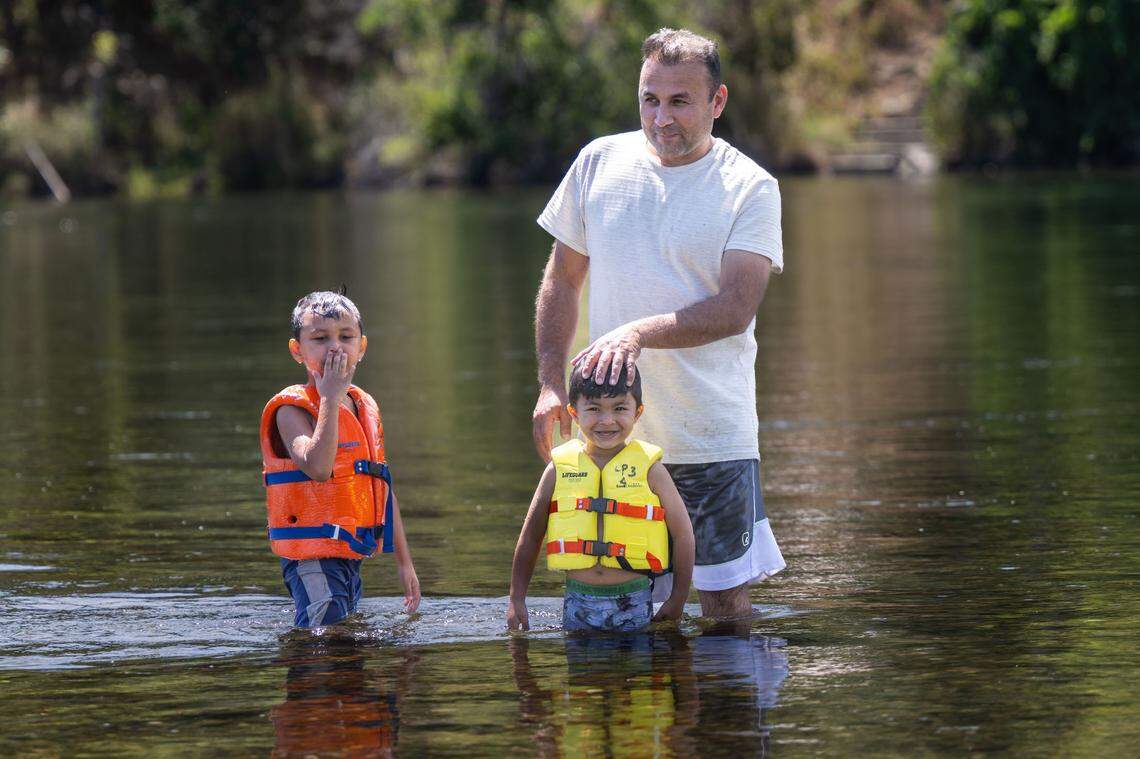
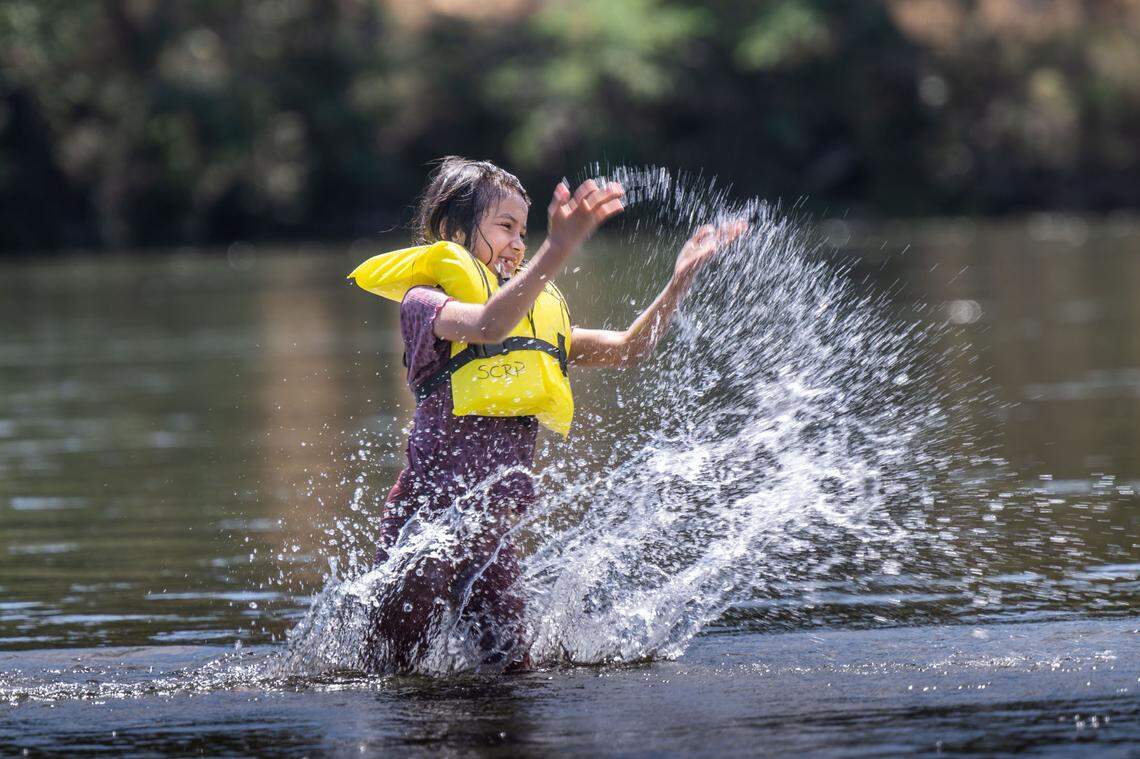
Under California law, children 13 years old or younger must wear Coast Guard-approved life jackets on a moving recreational vessel of any length, The Fresno Bee previously reported.
According to California State Parks, there are a few exceptions to the rule.
Kids don’t have to wear life jackets if they’re:
On a sailboat and are constrained by a harness tethered to the sailboat
In an enclosed cabin
On a vessel engaged in an emergency rescue situation
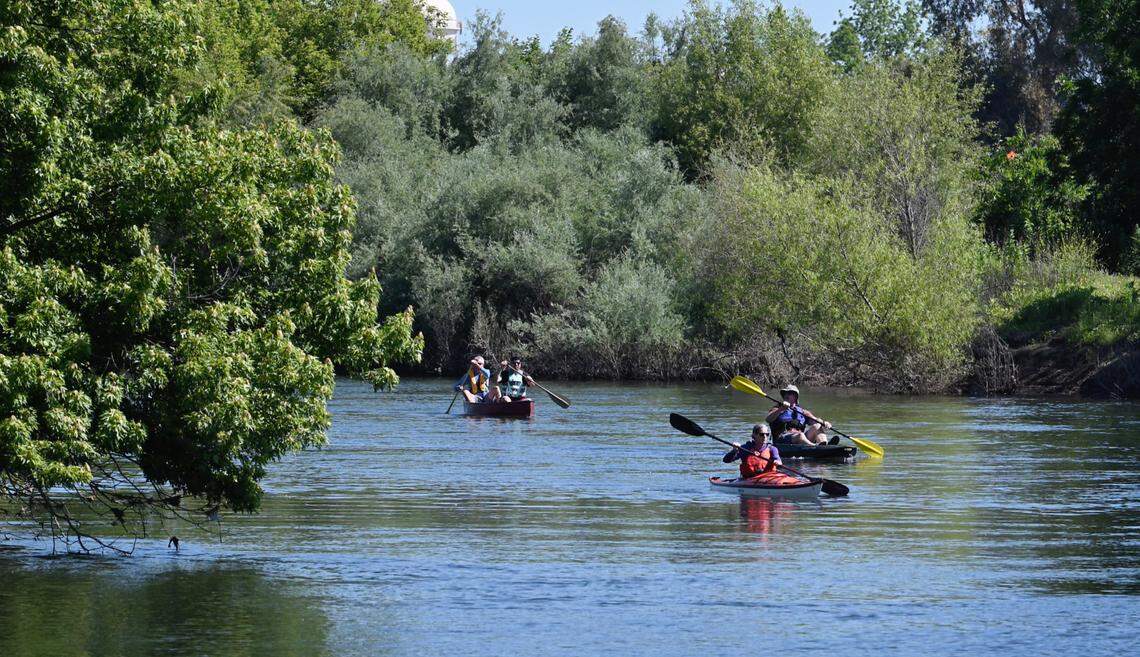
Recreational vessels include motorized watercraft such as boats and jet skis, as well as non-motorized vessels including paddle boards, sailboats, kayaks and canoes.
What are state life vest requirements for adults?
State life jacket requirements apply to older teenagers and adults too.
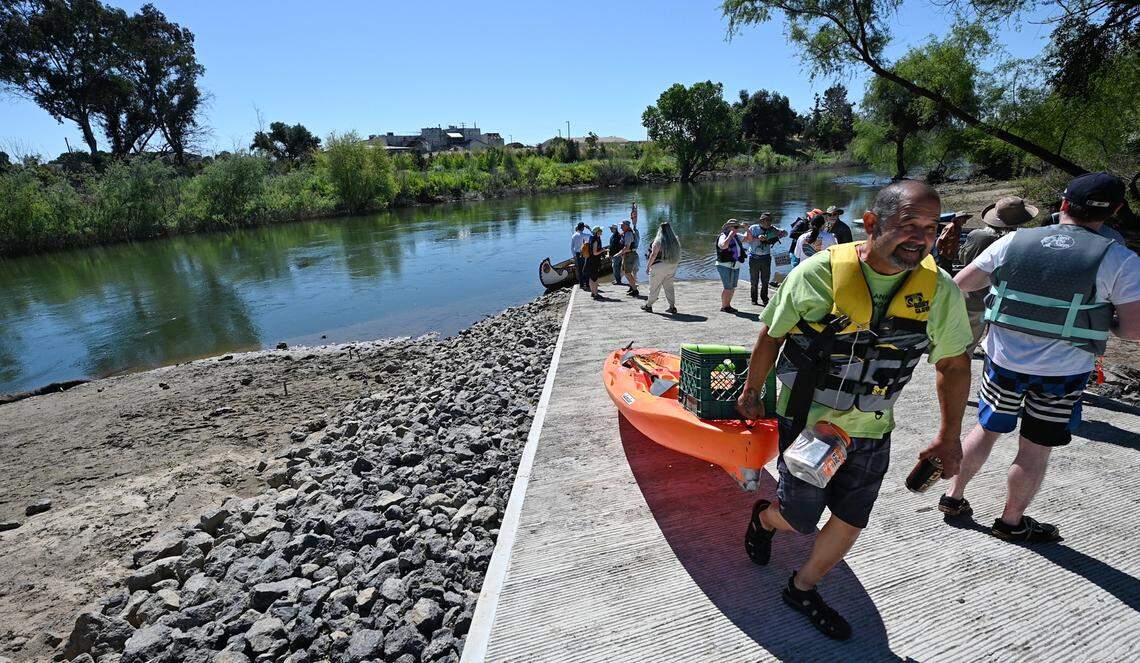
“Everyone on board a personal watercraft” such as jet skis must wear Coast Guard-approved life jackets, California State Parks said.
The same goes for anyone who’s being towed behind a boat.
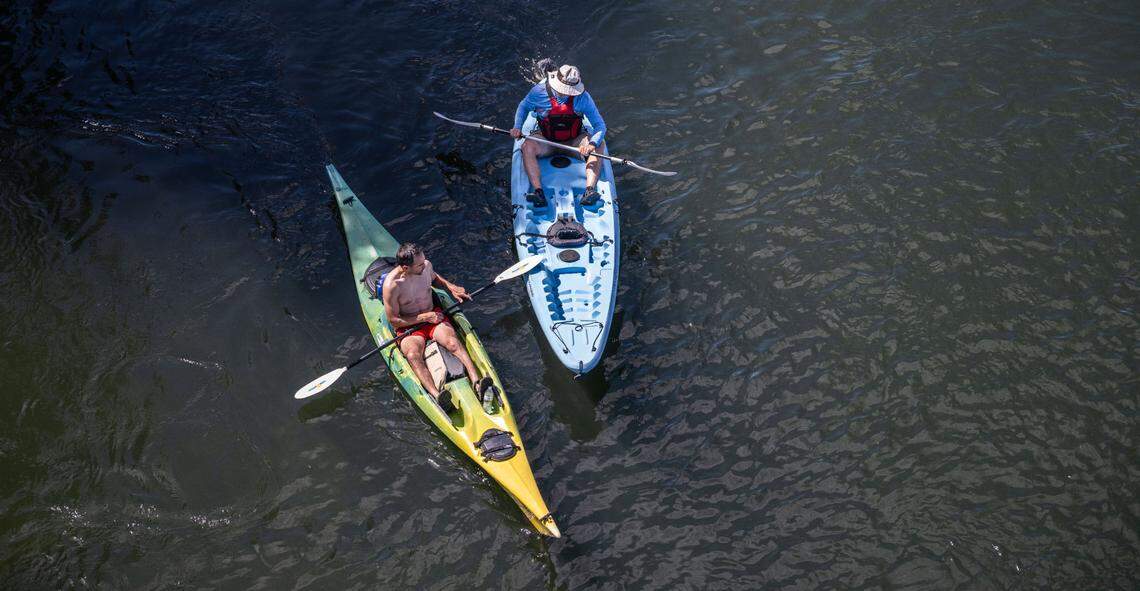
If you’re using a smaller craft, such as a paddle board, canoe or kayak, you’ll need a “readily available” Coast Guard-approved life jacket for each person on board, according to California State Parks.
Life vests must be “immediately accessible” on boats measuring 16 feet or longer, state parks officials said.
How can I tell if my life jacket fits?
According to California State Parks, picking a life jacket that fits properly is “extremely important.”
“Jackets that are too big will cause the flotation device to push up around your face, which could be dangerous,” the state agency said. “Jackets that are too small will not be able to keep your body afloat.”
First, make sure the flotation device is approved by the U.S. Coast Guard.
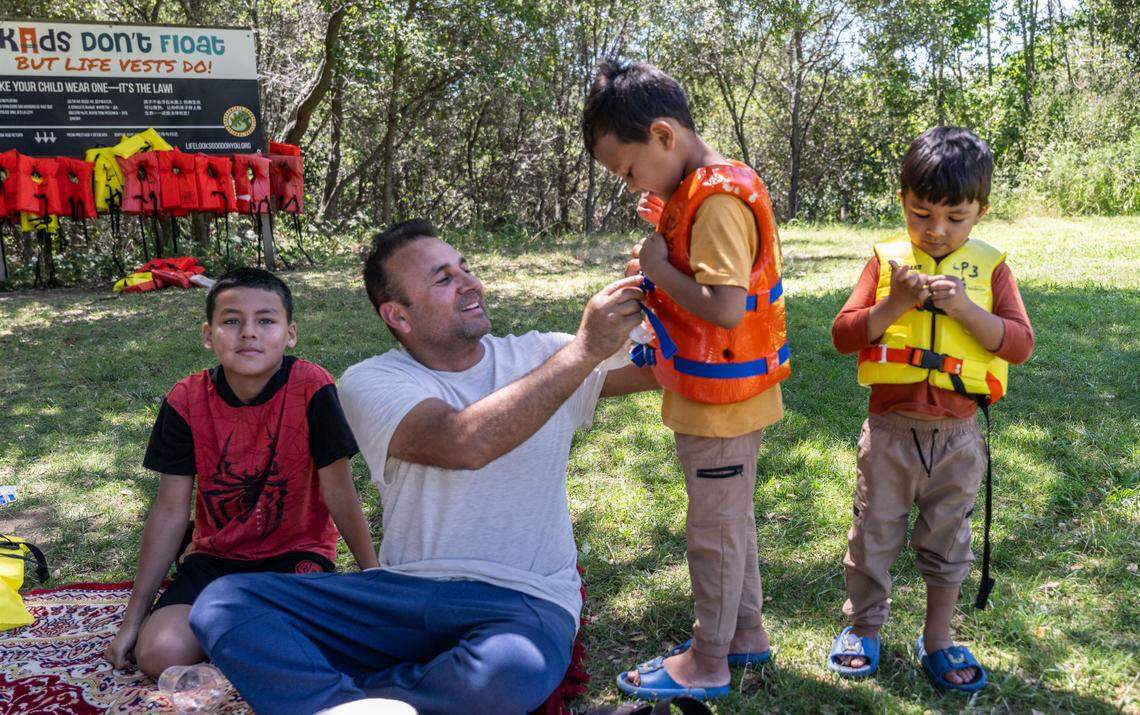
When you try on your life jacket, California State Parks says you should:
Check the manufacturer’s ratings for your size and weight.
- Make sure the jacket is properly zipped or buckled.
- Raise your arms straight up over your head while wearing your life jacket and ask someone to grasp the tops of the arm openings, gently pulling up.
- Make sure the jacket fits snugly. If there’s excess room above the openings and the jacket rides up over your chin or face, it’s not a good fit, experts said.
The U.S. Coast Guard said you should also try wearing your life jacket in the water “to ensure your airway is clear.”
“A good fit is secure, comfortable and adjustable,” the Coast Guard said.
What are penalties for breaking life jacket rules in California?
If you or your child are caught not wearing a life jacket when required in California, you can face fines of up to $250, according to The Cartwright Law Firm in San Francisco.
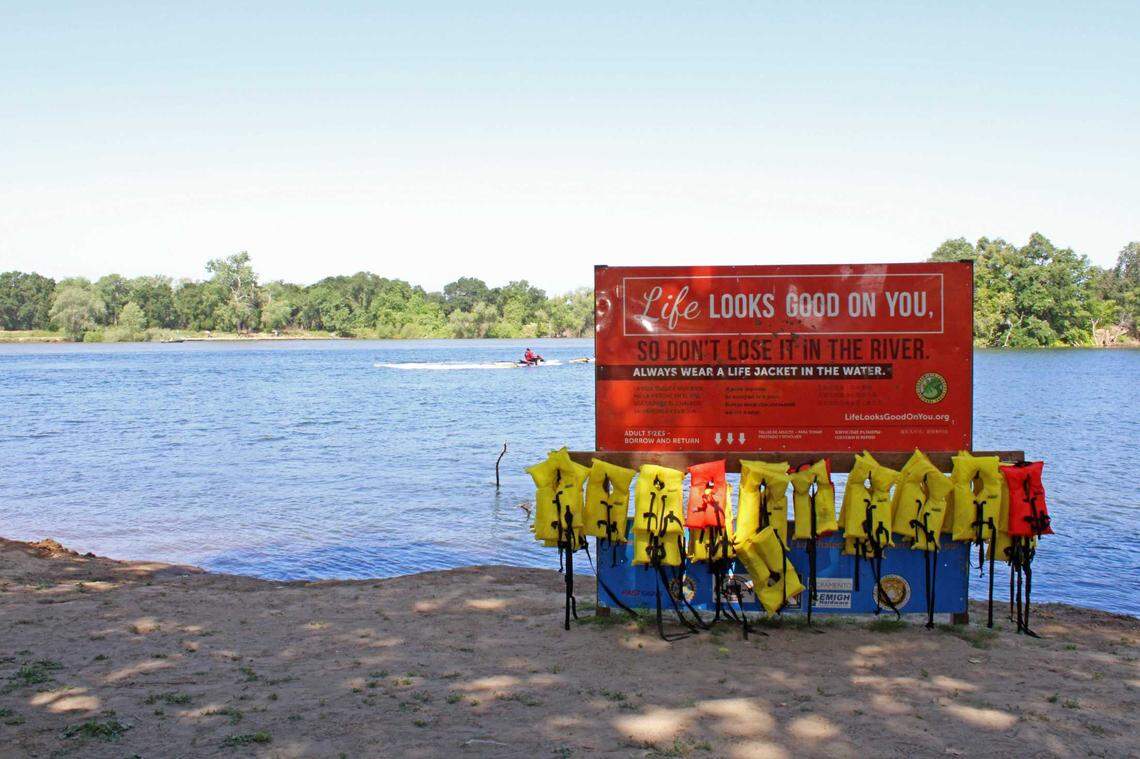
Where can I borrow a life jacket for free?
California State Parks’ Division of Boating and Waterways partners with public and private agencies across the state to loan out life jackets.
You can find life jacket stations in Fresno, Merced, Sacramento, San Luis Obispo, Stanislaus and other counties.
Here’s a full list of locations where you can borrow life jackets for free in California, organized by county.
How to stay safe in the water
If you’re planning to spend time in and around water, follow these safety tips from the California Department of Water Resources, National Weather Service and Sacramento Fire Department:
Plan ahead
- Check the status of the park you’re planning to visit before you leave your home for restrictions and guidelines
- Check river conditions on the Department of Water Resources’ website.
- Bring a proper-fitting life vest and shoes, as well as sun protection and water for hydration.
- Bring a life preserver.
- Know your GPS coordinates so you can provide your location in case of emergency.
- Tell someone where you are going and when you expect to be back, and let them know when you return safely.
Know the water
- Stay out of cold, fast-running water.
- Never enter the water to rescue someone. Throw something that floats and call 9-1-1.
- Never swim alone and never go in the water after drinking alcohol.
Know your limits
- Even the strongest swimmers can become overwhelmed.
Life jackets
- Life jackets are strongly recommended when recreating in or near waterways.
Supervise
- Keep a close eye on family and friends if you plan to be around flowing water.
- Always watch children in and around water.
- Assign a designated “water watcher.”
This story was originally published July 8, 2025 at 5:00 AM with the headline "Who has to wear a life jacket under CA law? Follow these water safety tips."