
When are life jackets required at SLO County lakes, beaches? What California law says
With summer rolling in — and temperatures rising — Californians are seeking relief from the heat by spending time in rivers, lakes and ocean waves.
Unfortunately, communities across the state have seen an increase in deaths by drowning.
When it comes to spending time in the water on paddle boards, kayaks and boats, there are state safety rules and laws to follow.
Here’s how to increase water safety and prevent fatal events, according to state officials.
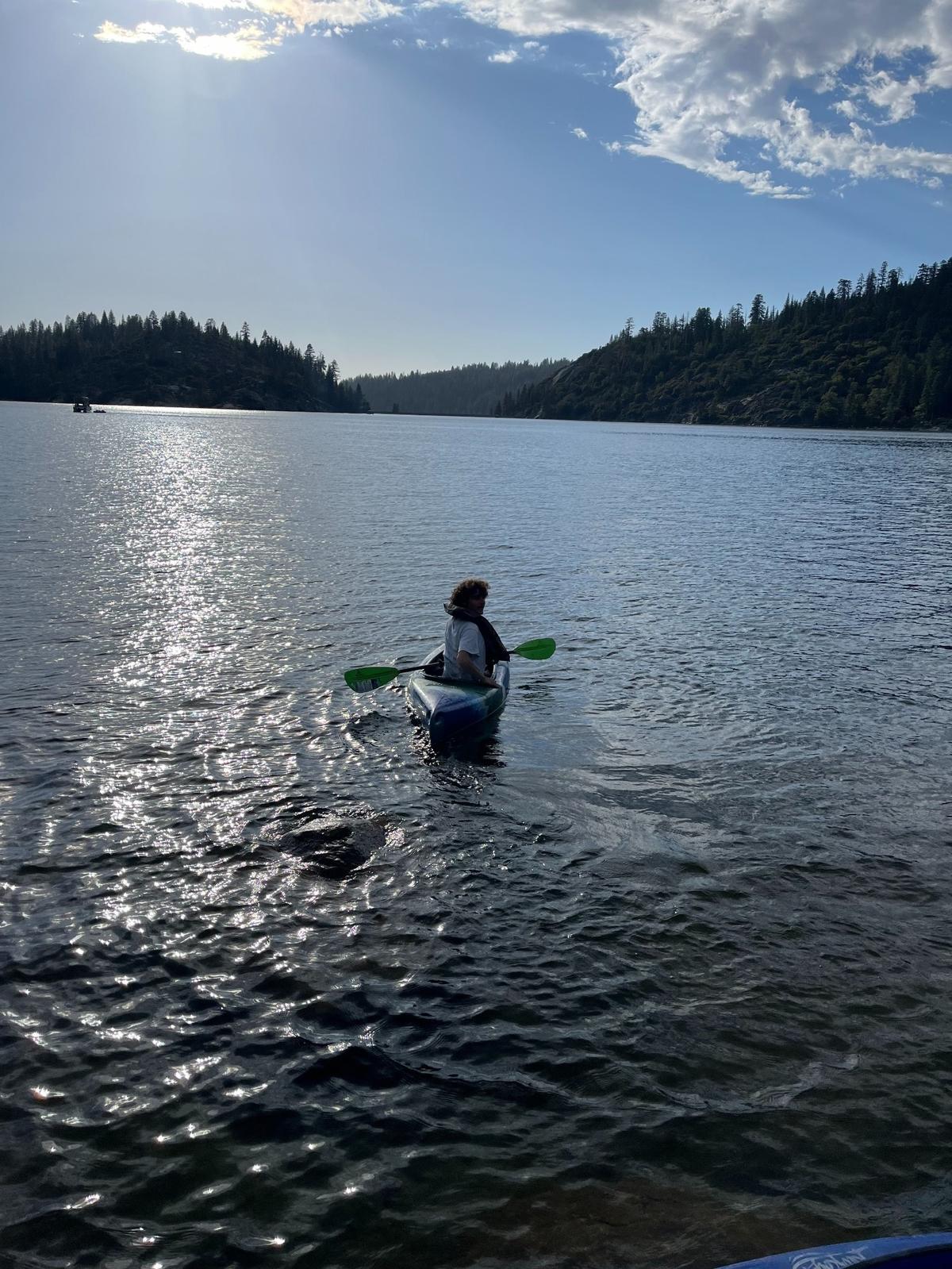
Do children have to wear life jackets under California law?
Under California law, children 13 years old or younger must wear a U.S. Coast Guard-approved life jacket on a moving recreational vessel of any length.
According to the state’s Department of Parks and Recreation, the only three exceptions are when a child is:
On a sailboat and are constrained by a harness tethered to the sailboat
In an enclosed cabin
On a vessel engaged in an emergency rescue situation
Recreational vessels can be motorized, including boats and jet skis, or non-motorized, such as paddle boards, sailboats, kayaks and canoes.
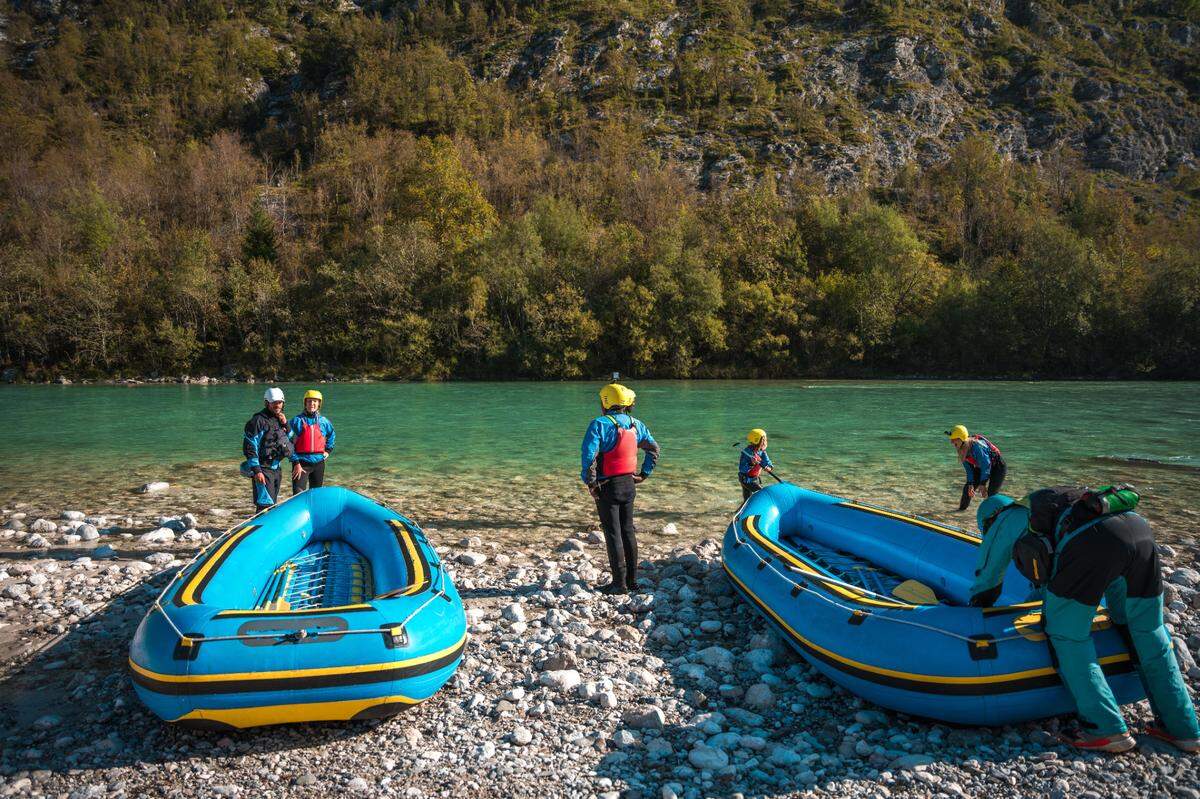
What are state life jacket requirements for adults?
State life jacket requirements apply to adults, too.
When anyone 13 years of age and older is engaging in recreational activities involving vessels 16 feet in length or shorter, there must be one wearable Coast Guard-approved life jacket per person on board.
For example, if two grownups are on a paddle board or kayak, they’re not required to wear life jackets. However, they must have two available on the nonmotorized vessel.
Which personal flotation devices can I use in SLO County?
Not all personal flotation devices sold at sporting and outdoor gear stores are compliant with the Coast Guard’s requirements and state law.
“There are many different styles of life jackets, but not all styles are approved for all boating activities,” California State Parks’ Division of Boating and Waterways wrote in an email. “The inside label (of a flotation device or life jacket) will provide the U.S. Coast Guard approval number and the intended boating activity.”
Some inflatable styles of life jackets can only be used for specific activities — not all of them.
Where can I borrow a life jacket?
The state Division of Boating and Waterways supplies life jackets for Californians to borrow at 120 stations in 30 out of California’s 58 counties.
To find a full list of life jacket stations at California counties, visit https://bit.ly/3yVDcLZ.
You can also request more life jackets for an already existing station or ask for a new life jacket loaner station to open.
How to stay safe in the water
If you enter the water, here are some tips from the California Department of Water Resources to stay prepared:
Plan ahead
- Check the status of the park you’re planning to visit before you leave your home, as there could be restrictions and guidelines in place. Consider sharing your GPS coordinates with a friend in case of an emergency.
- You can also check current water conditions online.
Know the water
- It’s best to refrain from getting into fast-running, cold water. If you see someone who needs rescuing, either throw something that floats or call 911 for help.
Know your limits
- Cold running water can be difficult to navigate, even for more experienced swimmers. The cold water temperatures can be a shock to the body.
Supervise
- Keep a close eye on family and friends if you plan to be around flowing water.
This story was originally published June 18, 2024 at 11:13 AM.