‘Pockets of wildflower blooms’ are popping up in two California parks. What to know
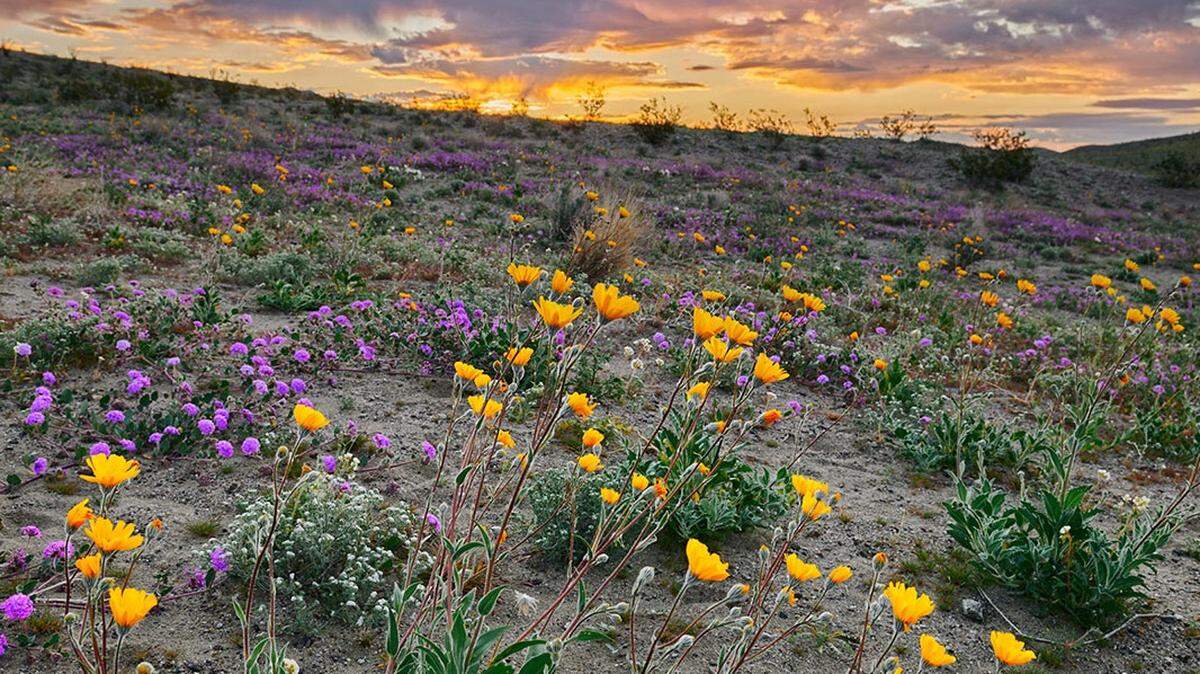
Four years ago, after years of drought and subsequent heavy rain, some California state parks were blanketed in wildflowers — a phenomenon known as super blooms.
While no parks are currently seeing the super blooms that blanketed some state parks in 2019, there’s still a chance they will happen, Jorge Moreno, a spokesperson for California State Parks, told McClatchy News in a phone interview.
“It’s hard to predict when those perfect conditions have to be in place for these larger blooms to occur,” Moreno said. “But our parks are definitely predicting … a more significant or better than average bloom this year.”
Two Southern California parks are already seeing “pockets of wildflower blooms,” according to Moreno.
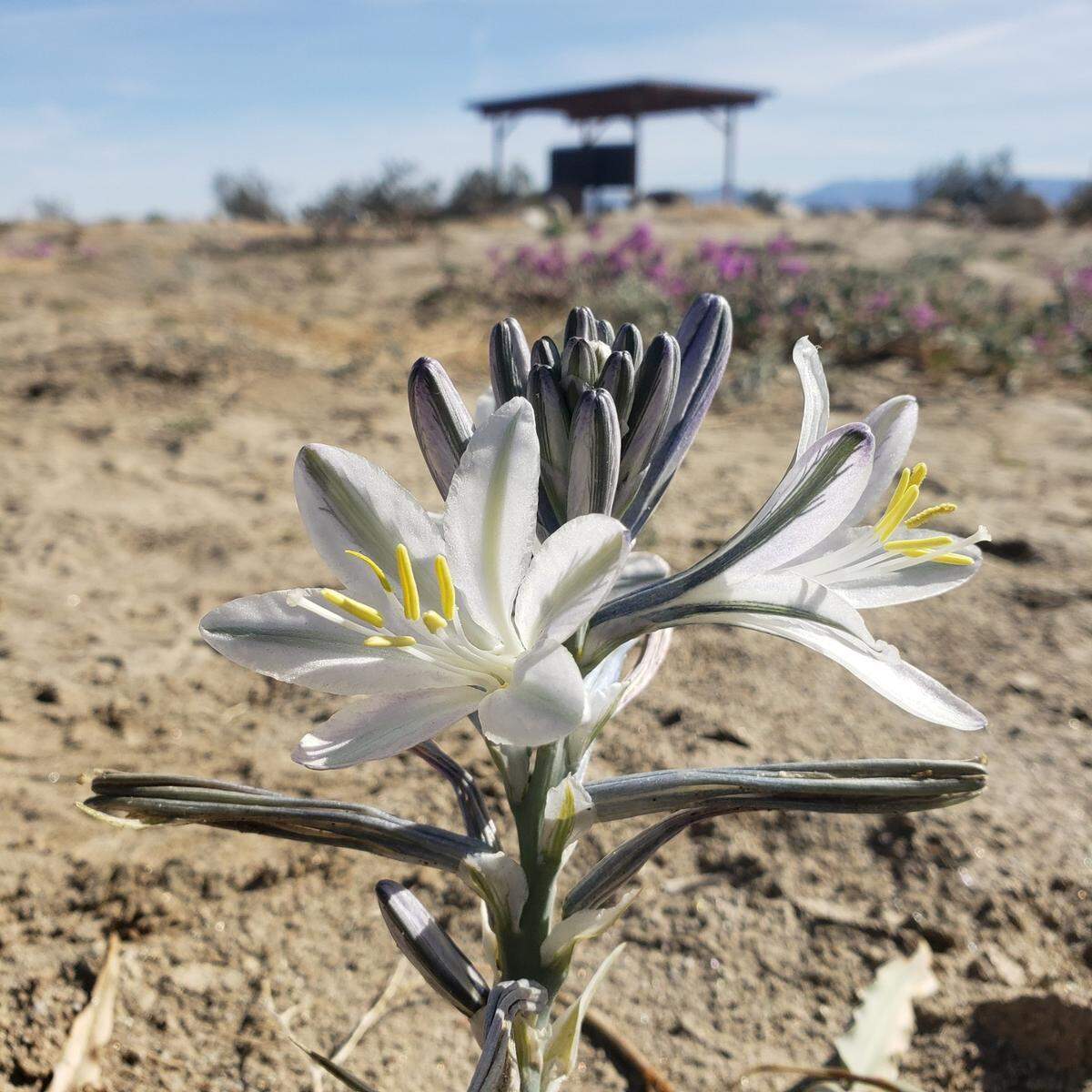
“These types of blooms usually happen first because of the warmer weather (in Southern California),” Moreno said.
At Anza-Borrego Desert State Park, the state’s largest park in San Diego County, there are pockets of “sand verbena and desert sunflowers along the east side of Henderson Canyon Road in the northern end of the park,” according to Moreno and the state parks’ website.
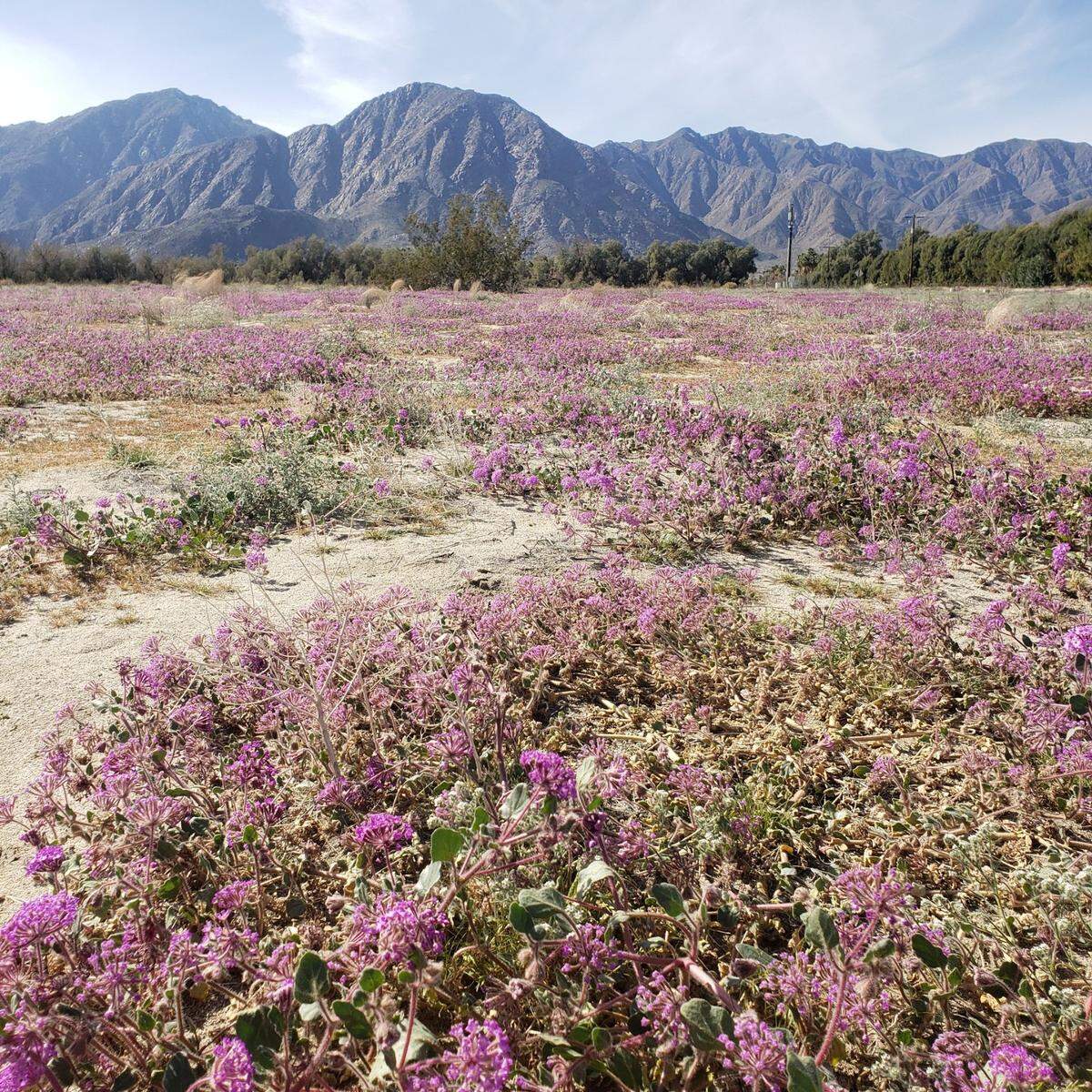
Visitors can find more “sand verbena at June Wash along S2 in the southern end of the park,” according to park officials.
The other state park seeing pockets of idyllic bloom is Chino Hills State Park in Chino Hills, according to Moreno.
“Currently, the park has poppies blooming,” as well as Canterbury and school bells, along with arroyo lupine, Moreno said.
To see these blooms, visitors can hike on Bane Ridge Trail “to get a closer look,” park officials say.
Four more parks in Northern California are also experiencing some bloom, but the weather in the area is not as conducive for large blooms as in Southern California with its more desert-like topography, according to Moreno.
What brings about a super bloom?
Super blooms usually come about when there are long periods of drought followed by “a year where you get more than average rain,” Moreno said.
.jpg "Chino Hills SP (Widlflower 2019).jpg")
Unpredictable, such large blooms require nearly “perfect conditions,” Moreno said.
For Anza-Borrego Desert State Park, Moreno said, that means rain starting in October and continuing into the winter months.
.jpg "Anza-borrego Desert SP (wildlflower Bloom).jpg")
“Our staff said they also see larger blooms if they reach a certain amount of rain per year,” Moreno said. “If the rain is above 8 inches, they usually see a much bigger bloom. Right now, I believe it’s at a little over 6 inches.”
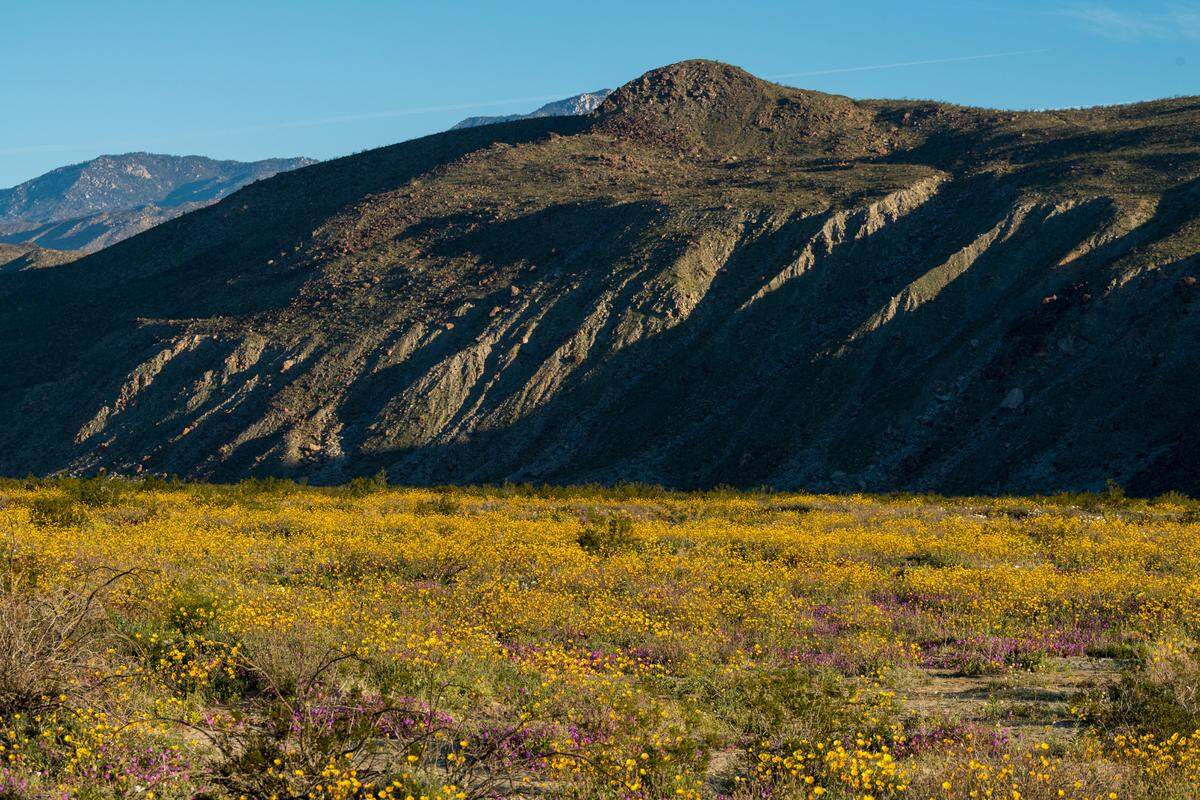
Other weather conditions, like snow, can also delay blooms, like at Antelope Valley California Poppy Reserve, which was covered in blooms in 2019, Moreno said.
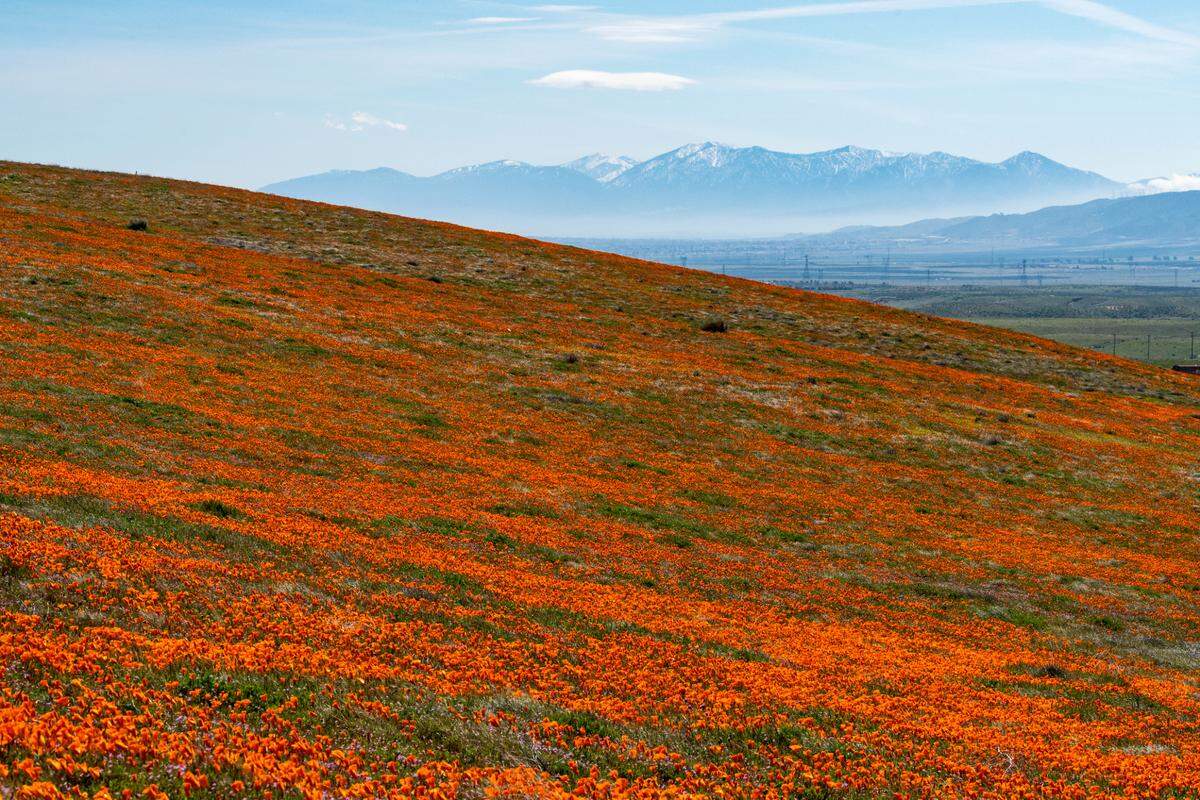
“The snow in the area has stunted the bloom a bit,” Moreno said, “but they are still expecting a better-than-average bloom.”
The reserve has a live poppy cam where individuals can check in on the bloom.
Tips when visiting state parks
Those who visit parks to see wildflower blooms should “respect the landscape,” Moreno said.
“Take photos, but don’t pick the flowers. That’s prohibited,” Moreno said.
Visitors should also stay on the trails “whenever it’s possible,” according to Moreno, as it will help the blooms last longer.
“We definitely want people to come out and experience this rare occurrence that happens in nature but want them to be respectful,” Moreno said.
Moreno also recommended those who want to see the blooms to come during the week instead of the weekend, as some parks had anywhere from a half-hour to hour wait time to enter during previous super blooms.
To see which state parks are seeing blooms, visit California State Parks’ website. You can also find links to the parks’ specific social media pages, where you can find details about what, if any, blooms can be expected at each park.
For more safety tips before visiting, see here.
This story was originally published March 10, 2023 at 10:04 AM with the headline "‘Pockets of wildflower blooms’ are popping up in two California parks. What to know."