
How can companies survive COVID-19? SLO nonprofit offers free help for businesses
Dozens of businesses across San Luis Obispo County have permanently closed their doors in recent months — from The Graduate restaurant and nightclub in San Luis Obispo to a Staples office supply store in Paso Robles.
While some challenges of the COVID-19 pandemic may seem insurmountable, a local nonprofit organization helping businesses survive these trying economic times.
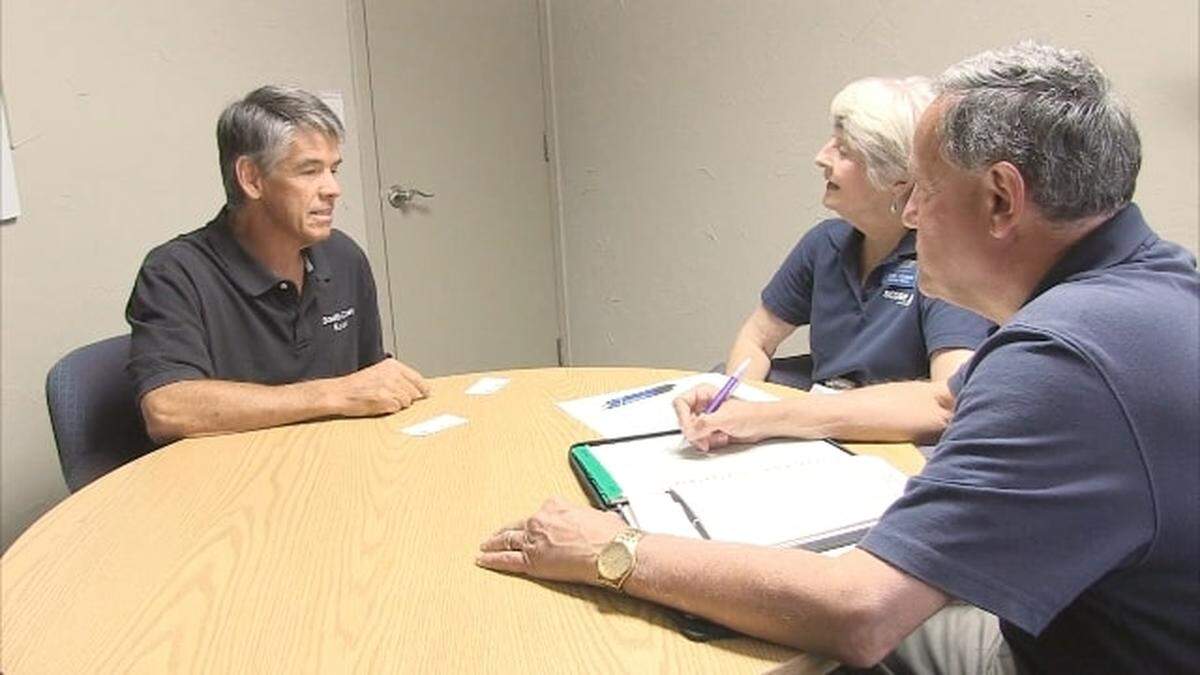
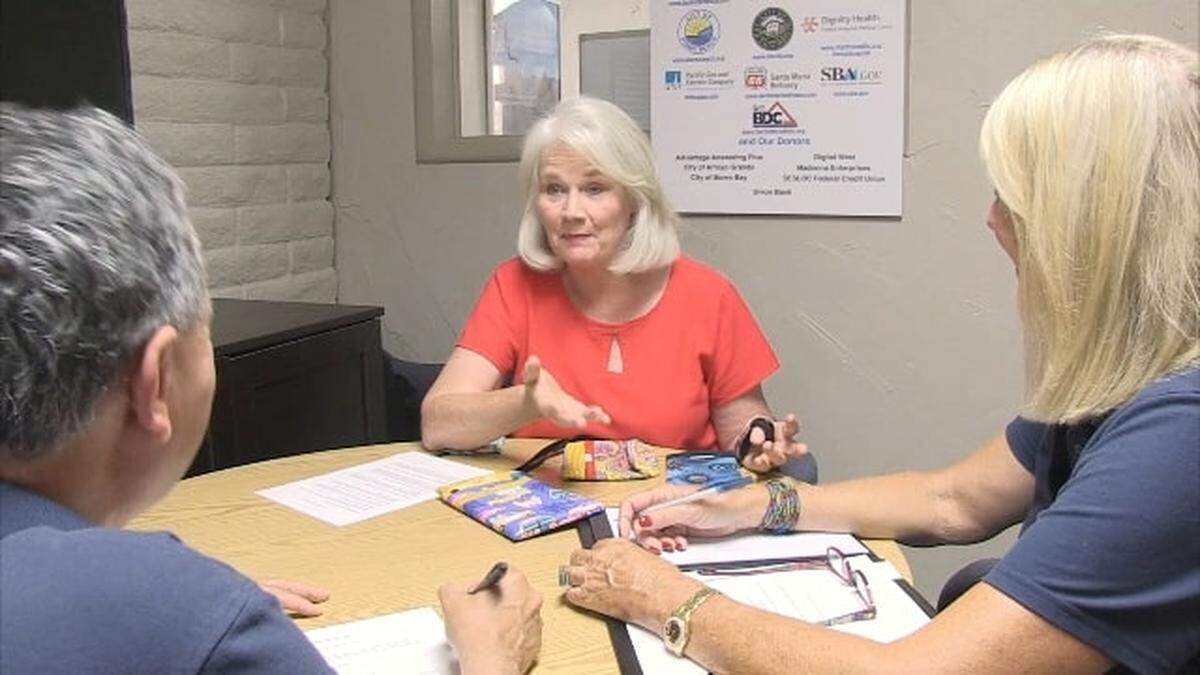
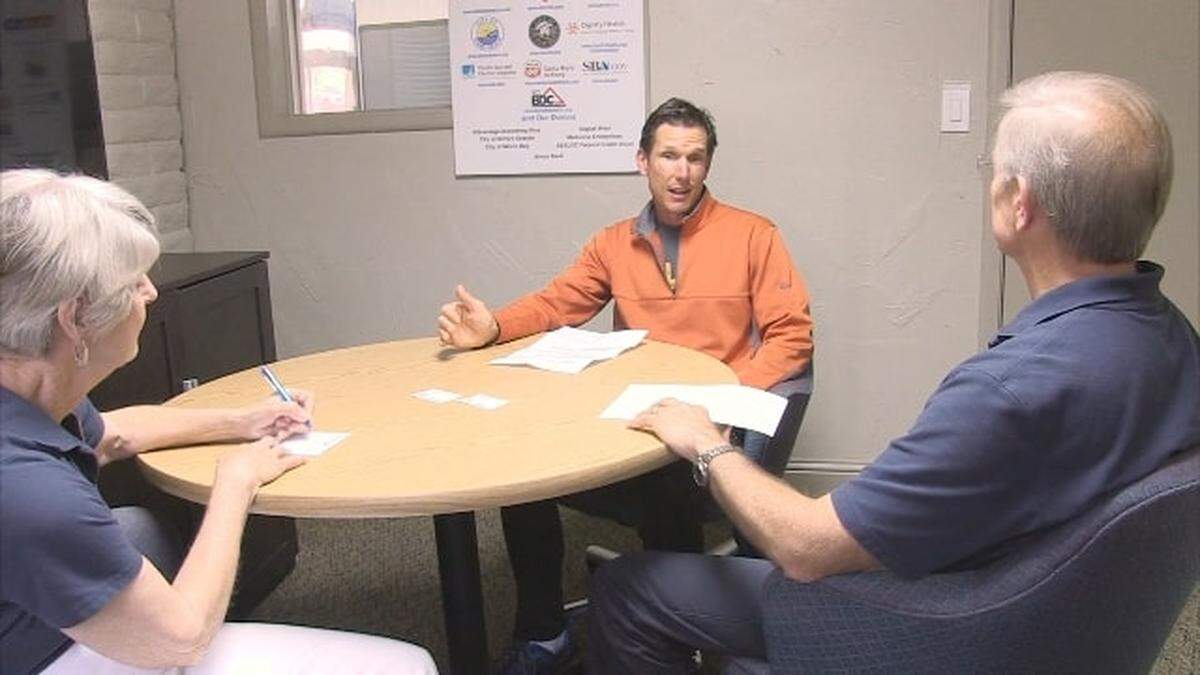
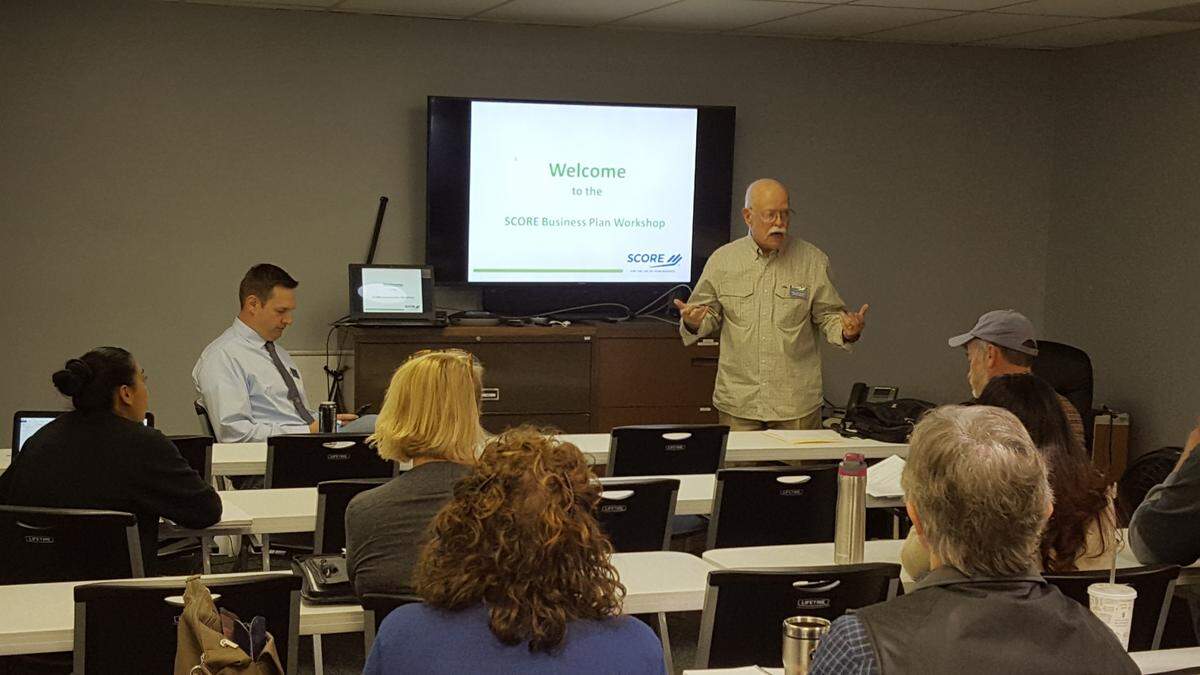
Service Corps of Retired Executives (SCORE), which serves San Luis Obispo County and the Santa Maria Valley, offers free and confidential mentoring, workshops, webinars, templates and tools to help local businesses through a variety of challenges.
Currently, mentors from more than 60 industries serve as volunteers to meet virtually with business owners and discuss finance, marketing and business plan preparation.
SCORE, which is funded by the U.S. Small Business Administration and has branches nationwide, started in San Luis Obispo more than 30 years to help businesses start and grow.
Coordinators say its role is as important than ever to allow businesses to survive and thrive.
“If you’re a fledgling business or entered COVID in a weak position, you may frankly not make it,” said Joe Whitaker, a SCORE mentor. “They will not come back. But if you enter COVID in a reasonable position, we’re here to help and give you reasonable ideas to help you get through.”
“We have a number of clients who are not only getting through, they’ve pivoted their businesses and they’re actually succeeding, whatever succeeding means,” Whitaker added. “They’re not happy but satisfied.”
How to survive COVID-19 as a small business
Horace Morana, the chapter chair of San Luis Obispo’s SCORE program, said that the ability to adjust to COVID-19 challenges depends on the sector. But he said many businesses have been able to do so by carefully managing budgets, ensuring customer safety and offering loyalty incentives.
“Preservation of cash flow and understanding your finances is the No. 1 thing that businesses struggle with,” Morana said. “On a monthly or quarterly basis, businesses need to stay on top of their books.”
Morana said SCORE works closely with banks and that can make a difference at times in succeeding in securing a loan and presenting a formal business plan to those institutions.
“Banks ask the question “Can they pay me back?’ ” Morana said. “We can help people put a business plan together on what sort of things can they do with the money, which is a key. Banks want to lend money, in all honesty. But they’ve been hurt too.”
Morana acknowledged that public-facing industries have been particularly hard hit by the coronavirus pandemic, adding that companies that host lives events such as concerts may not be able to operate in the same way as before “until a vaccine is available or people are 100% sure they can be next to someone at a concert and be safe.”
How SCORE helps SLO County businesses
Carol Chenot said her small Arroyo Grande business, Lookie Loops, has transitioned from selling bags, pouches and wallets to handmade face masks, offering special prices and donations to healthcare workers.
She used SCORE’s help to ramp up her e-commerce business, improving her marketing and search engine optimization.
“My SCORE mentor has been able to help me focus in this new direction and capitalize on what’s needed now,” Chenot said. “...Before my sales were friends and family and art show people; now selling online I’m in 49 states.”
Chenot said she has used webinars and attended classes offered by SCORE.
“My mentor encouraged me to build an email database,” Chenot said. “She pushed me that way ... That’s really where you’ll be able to connect with customers on a regular basis. I’ve gone from a 17-person database to a couple thousand people.”
John Hinds, founder and owner of Cadence Insoles in Nipomo, said he had little to no knowledge of marketing, sales and finance when he stumbled upon SCORE.
“Then I developed some relationships with mentors, mostly for finance,” Hinds said. “You can bring in your QuickBooks and whatever finance info you have. They’ll go over in as much detail as you want ... whether it’s a financial statement or margins.”
Hinds said he had some lean months early in the COVID-19 pandemic, and his wife met with SCORE mentors to go over their books. Lately, he added, he’s been doing better than ever.
“SCORE mentors are often retired and semi-retired and they have a lot of knowledge,” Hinds said. “It’s like having your own board of directors and advisors at your disposal, so you don’t feel like you’re alone out there.
Business tips for thriving during coronavirus
Whitaker, whose background is in marketing, said that he suggests that businesses formulate a loyalty program that helps maintain connections with costumers.
“Loyalty and rewards programs have worked for airlines, hotels and major retailers for 50 years,” Whitaker said. “If you don’t have a loyalty program, start one. You must give your customer an incentive to come back in now…What is that incentive?
Whitaker suggested three key ways to keep clients coming back:
▪ A rewards card that offers a free product after a certain number of purchases, such as a sixth coffee for free after five purchases.
“That doesn’t cost anything for a small business owner,” Whitaker said. “Business owners can say ‘You have to give me your money over and over again before redeeming any rewards.’”
▪ A gift card that offers $100 worth of products for $50, for example, with a requirement for customers not to use the card for 30 or 60 days.
“You can take the money now and you don’t have to give the product away for a month or two later ... don’t do six months or a year,” Whitaker said.
▪ Discounts such as a grand reopening of 10% off or 20% for the first week or first month, or a “buy one, get one free” offer.
“Some of this is counter-intuitive, but for a limited time, sell your product or service for less,” Whitaker said.
SCORE coordinators say that group emails reminding customers about offers and products is a great, free way to stay in touch.
They also recommend that businesses urge supporters to spread positive messages on social media or review sites, and they emphasize the value of a good website.
“Your website is more important than ever,” Whitaker said. “It may make the difference between a customers shopping with you rather than your competitor. People are more likely to be shopping with you online. Give them a reason to come, stay on the page and get a discount.”
For more information on SCORE, go to https://sanluisobispo.score.org/.
This story was originally published November 6, 2020 at 10:51 AM.
%20Cropped.jpg)