
Lavender adds a pop of purple — and fragrant flowers — to your garden
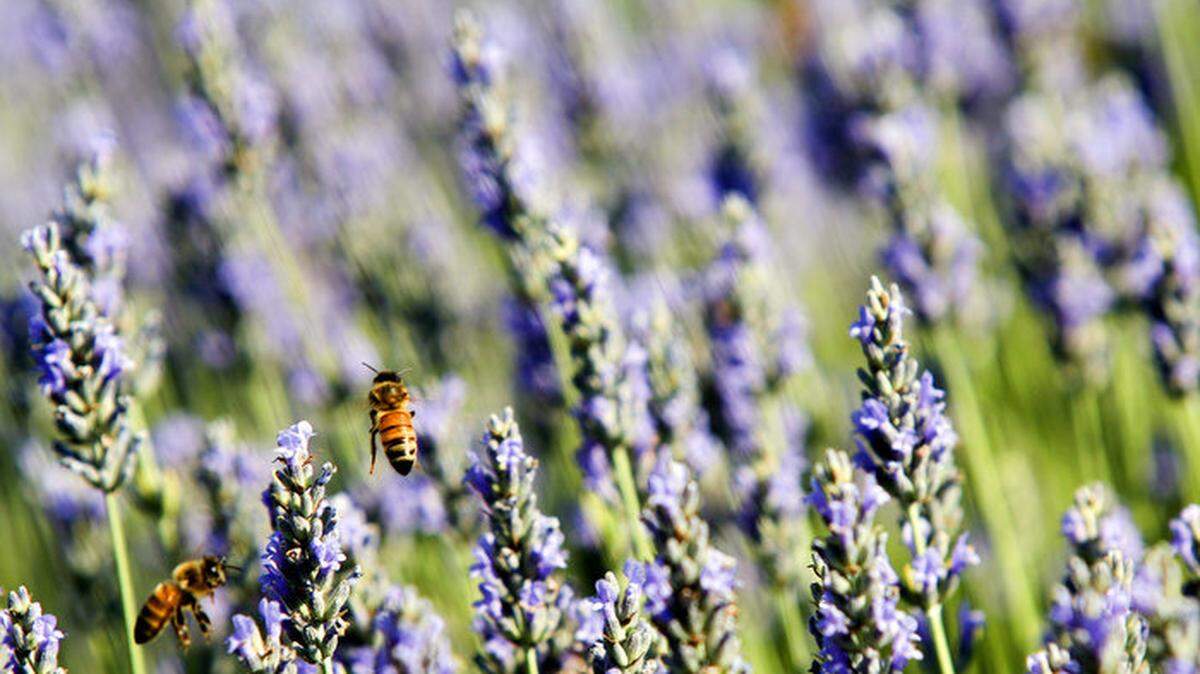
Lavender
Lavandula
Planting areas:
Sunset Zones 5 to 9
Size: 1 to 4 feet wide, depending on variety
Bloom season: Summer
Exposure: Full sun
Pruning needs: Prune after flowers are spent or in early fall.
Water needs: Water until established, then drought tolerant.
Snapshot: Lavender is a versatile garden herb with fragrant, colorful blooms beloved by butterflies and other pollinators. It is easy to grow and resistant to deer and snails.
Common lavenders include English lavender (Lavandula angustifolia) varieties such as Hidcote, Royal Velvet and Purple Bouquet; Spanish lavender (Lavandula stoechas) varieties including Royal Splendour and Ballerina, and hybrids such as Grosso, Provence and Hidcote Giant.
Lavender plants, which typically live seven to 10 years, prefer neutral to slightly alkaline soil that is well drained.
When using drip irrigation, place the emitter to the side of the plant rather than at its base to avoid overwatering and reduce the potential for root rot.
On the Central Coast, the best time to plant lavender is in the spring after the frost, or in early fall. Grow this stunning herb, which produces flowers in shades of purple, pink, blue and white, along walkways, as a border or interspersed throughout your landscape.
Pruning helps lavender maintain its round shape and also promotes new growth. Most varieties required pruning only once a year.
The best time to prune is after the flowers are spent. Grab a handful of stems and, using a sickle knife or a sharp pair of shears, cut the stems a few inches above the woody part of the plant — leaving a couple of inches of green above the woody stems.
If you plan to dry the lavender for use in cooking or crafts, prune the stems when three-quarters of the flowers are opened. That’s when the buds are most fragrant.