
‘Truly grateful.’ SLO woman remembers doctor who developed a cure for childhood leukemia
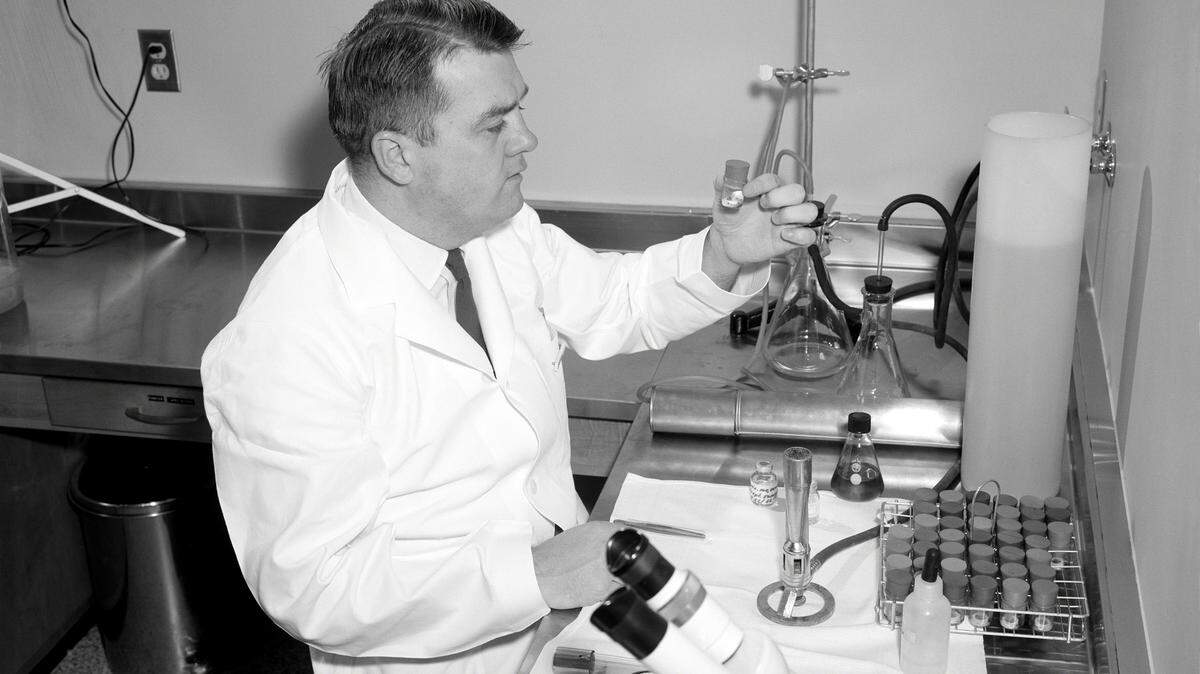
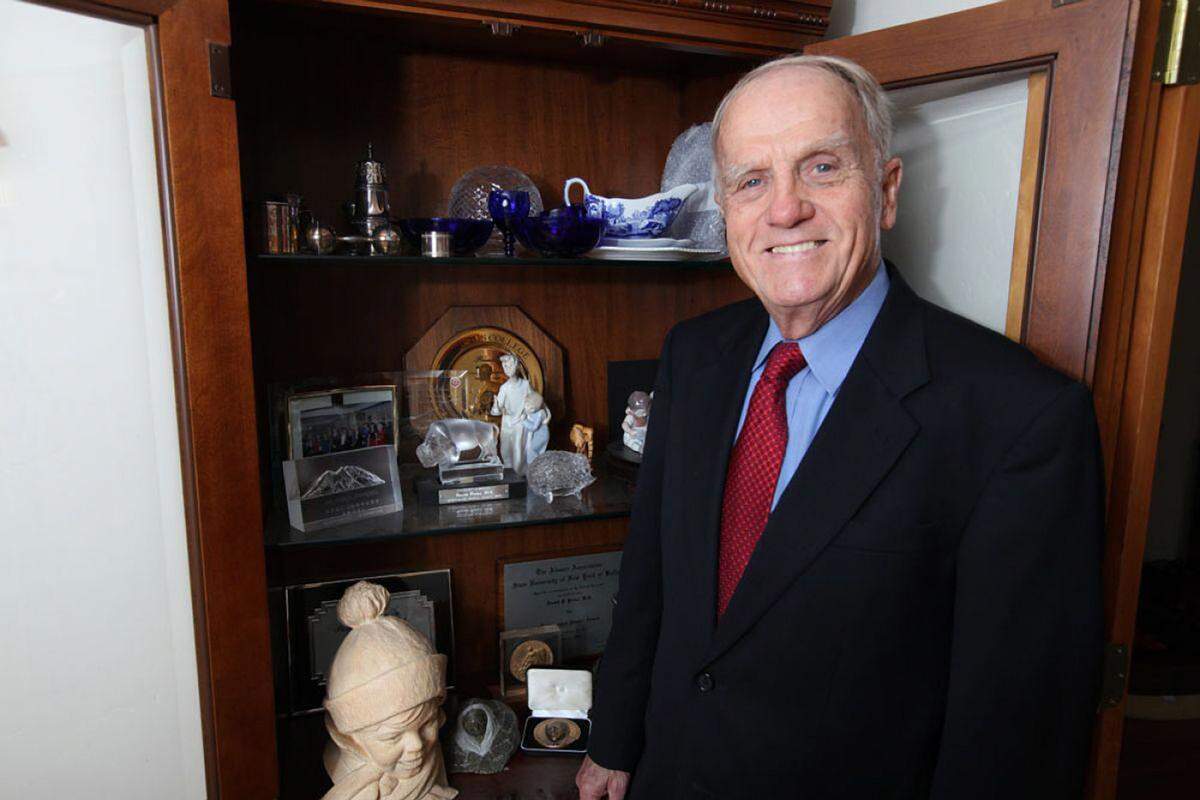
Dear Dr. Donald Pinkel,
Thank you for your life’s work in developing a cure for childhood leukemia.
When you passed away in March in San Luis Obispo at the age of 95, you left behind a legacy that impacted the lives of millions of young cancer patients and their families.
Families like mine.
In 1956, my 5-year-old brother, Johnny, was diagnosed with acute lymphocytic leukemia.
I was 3, my older sister was 8 and our parents were barely 30.
At that time, a diagnosis of leukemia was a death sentence. There was no known cure.
Any treatments that were available were accompanied by harsh side effects. I remember my parents describing the courses of steroids my brother was given and the puffiness and agitation that they caused. But few other options existed to fight the disease.
Of course, I had little understanding of what was happening around me. I was still too young to write my name or tie my shoes.
I recall telling my parents that Johnny was “ow-ing” when I heard him crying out in pain. And I spent lots of time living with my grandparents when things were too stressful at home.
My brother died after two excruciating years.
My family managed to survive and was even blessed with the arrival of my second brother seven weeks after Johnny’s death.
Still, each family member has carried a large, invisible scar that impacted every facet of our lives.
I can still see the flowers on the altar at our church, with a simple note in the program: “In honor of John Howard Lewis.” And I watched my mother visit Johnny headstone, always leaving it crumpled in tears.
I’ve spent a lifetime processing these events. But there’s no way they can ever make sense.
Dr. Pinkel, you understood how families like mine struggle with cancer. That’s why, when you became the first director and CEO of St. Jude Children’s Research Hospital in Memphis, Tennessee, in 1962, you dedicated your life to finding leukemia’s cure.
You developed so-called “total therapy,” a four-phase treatment plan that focused on remission induction, remission consolidation, specific pre-emptive meningeal treatment and continuation of chemotherapy for three years.
By 1967 and 1968, total therapy achieved a 50% cure rate. Today, the American Cancer Society estimates the overall survival rate for leukemia is 90%.
Your treatment plan is still in use with numerous modifications.
At your memorial service, I heard a priest relate his story of being one of the first leukemia patients to receive your treatment in 1971. His oncologist had just learned of your new methods and quickly applied them to her patients with excellent results.
I felt an immediate bond with that cancer survivor. We’d both faced down a similar enemy. One of us had survived it; the other had lost a sibling.
Dr. Pinkel, your contributions came too late to save my brother, or to prevent the angst our family endured.
Still, I think of the millions who have been spared our pain and suffering because of your efforts. And I am truly grateful for your life.
Sincerely, Linda Lewis Griffith