
SLO County needs a pot tax; residents of unincorporated areas should vote yes on Measure B-18
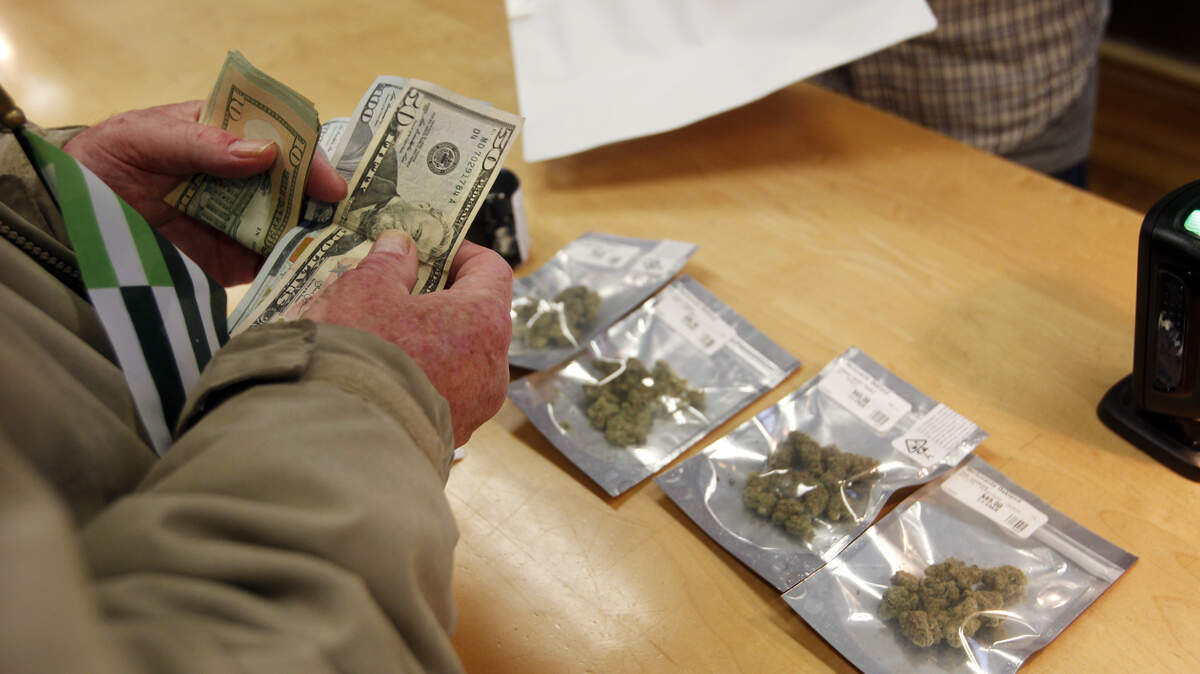
Voters who care about the financial future of San Luis Obispo County — and we assume that's every one of us — should vote yes on Measure B-18, the marijuana tax for unincorporated areas.
This truly is a no-brainer. The county must be able to recoup what it spends to regulate a burgeoning cannabis industry that will place additional burdens on planning, code enforcement, the Sheriff’s Office, the District Attorney's Office and other county departments. Expenses will be substantial; last year, the county budgeted $1 million to add staff to handle issues relating to the marijuana industry, with the expectation that taxes and/or fees would generate revenue to cover those costs.
Other agencies are doing the same; the city of San Luis Obispo won't even allow cannabis businesses to open until voters approve a tax.
That's only fair; with all their other financial obligations — including public pension debt — agencies can't afford to take on another financial burden, especially since legalization was promoted as something that would generate revenue for public agencies, not pile on more expenses.
As it is, San Luis Obispo County faces a small funding gap in the coming fiscal year. It's already instituted a "hiring chill" and staff proposes reducing the road repair budget by $1 million, among other cuts.
The county anticipates "flat" revenue in the coming years and, of course, the closure of Diablo Canyon in 2024-25 will be a huge economic hit.
The last thing the county needs is to have to shell out more money to regulate the marijuana.
Measure B-18 proposes taxing gross receipts of most cannabis businesses — product testing is exempted, since that's considered a public health function — by 4 percent initially. Beginning in 2020, the tax would increase by 2 percent per year, but would never exceed 10 percent. The measure builds in some flexibility; the Board of Supervisors could opt to waive the 2 percent increase, or even lower the tax if it found that necessary.
The tax is expected to generate $1.4 million in its first year. According to consultants hired by the county, that amount could increase to as much as $28 million per year when all 141 licensed cultivators are commercially growing and selling.
However, Jim Erb — who serves as county tax collector, among other functions — believes that estimate is high. He points out that there are many variables, including consumer demand and competition from marijuana businesses in other areas.
We suspect he's right; $28 million seems absurdly high, though if the marijuana takes off like the wine industry, who knows?
But we're getting ahead of ourselves. For now, all we ask is that marijuana pay its own way through reasonable taxation, so the county doesn't have to take money away from services such as parks and roads and libraries.
The Tribune strongly urges voters in the unincorporated areas to vote yes on Measure B-18.
This story was originally published May 17, 2018 at 3:39 PM with the headline "SLO County needs a pot tax; residents of unincorporated areas should vote yes on Measure B-18."