
SLO's "French connection" lives on in today's vineyards
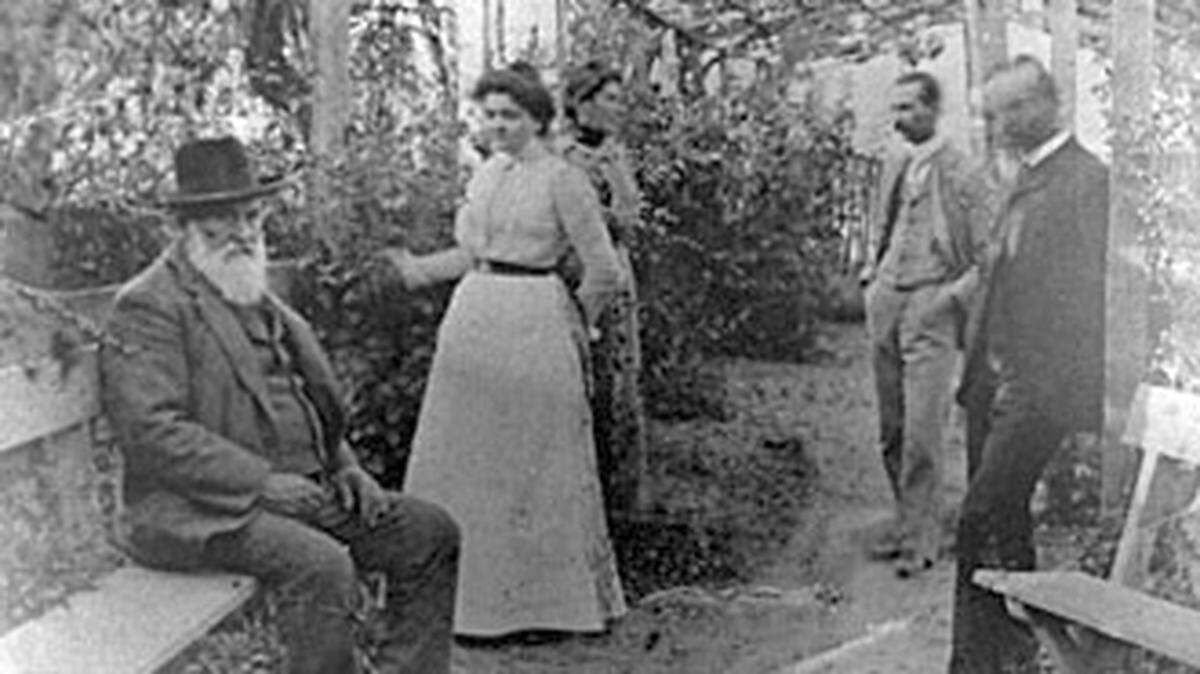
San Luis Obispo’s “French connection” from times past comes beautifully into focus at the Dallidet Adobe.
Pierre Hypolite Dallidet, a French immigrant to San Luis Obispo, had survived the great drought of the early 1860s. He went on to become a pioneer of the Central Coast’s wine industry.
His French connection afforded him a unique opportunity to help both his native and adopted countries.
During the 1870s, the historic vineyards of France were ravaged by phylloxera, the dread root louse. Native American vine stock seemed resistant to the louse. But before French vineyards could be replanted with the resistant stock, the classic varietals had to be saved.
The French ministry of agriculture did this by having the French consuls near potential wine growing regions throughout the Western hemisphere contact residents of French descent. Ethnic French in Chile, California, upstate New York, Delaware, Pennsylvania and the Ohio River Valley were notified. Residents with suitable lands were asked to accept cuttings from the afflicted French vines, which could be grafted onto the hardier rootstock.
One of Dallidet’s sons, Louis Pasqual, attended Heald’s Business College in San Francisco during the early 1880s. The young Dallidet’s diaries record numerous trips to the French consulate in San Francisco, where he picked up precious grape cuttings and carefully shipped them to his father.
The elder Dallidet grafted the cuttings from fine French varietals onto the surviving rootstock of Mission San Luis Obispo de Tolosa vineyards.
Dallidet had acquired almost 150 acres near what is now downtown San Luis Obispo. His parcels included all of the mission-era vineyards and other land suitable for viticulture.
Dallidet was one of the first viticulturists in California to offer blended wines. He would take a harsh, full-bodied wine with a high tannin content and blend it with a mellower vintage.
Dallidet soon found that there was more profit in brandy. During the economic boom of the 1880s, wine sales were good, but Dallidet lost much of his profit in shipping the heavy cases of wine to market. He might make 25 cents in profit on a bottle of wine, less 9 cents for shipping. But a bottle of brandy, which weighed the same, brought 75 cents of profit, less the 9 cents in shipping costs.
Dallidet soon set up a bonded still and brandy cellar next to his home. The cellar was immediately to the west of Dallidet’s adobe. The site cellar is now covered with roses and grapevines representing the varieties of grapes once raised in Dallidet’s vineyards.
Pierre Hypolite Dallidet’s adobe and surrounding gardens have been preserved by what is now the County History Center and the San Luis Obispo Garden Club. It’s at the end of the 1100 block of Pacific St., accessible from Santa Rosa Street. You can bring your family for a Sunday outing between 1 and 4 p.m.
Linnaea Phillips, long San Luis Obispo’s “cultural maven,” brings conversations with fascinating members of our community to the gardens on the second Friday of each month through summer from 12:15-1:15 pm. These conversations are open to the public without charge.
On March 15, Linnaea will talk with author and garden expert Sharon Lovejoy. Readers will recall our recently reviewing Sharon’s exciting new book, Running Out of Night, dealing with escaped slaves and the Underground Railroad. Sharon will discuss the history of plants and gardens in the 1850s. Mariete Costigan and Terry Sanville will entertain with poetry and guitar.
On April 10, former mayor and “father of Mission Plaza” Ken Schwartz will join Linnaea. ***
Readers will want to peruse all the carefully organized, gently used books at the San Luis Obispo Friends of the Library’s mammoth book sale this week at the Veterans Hall on Grand Avenue. Sale hours are: 6 to 9 p.m. Thursday (members only with memberships sold at the door), 10 a.m. to 5 p.m. Friday and 9 a.m. to 2 p.m. Saturday.
This story was originally published February 28, 2015 at 7:52 PM with the headline "SLO's "French connection" lives on in today's vineyards."