
Progress made on Paso Robles sewage plant upgrade
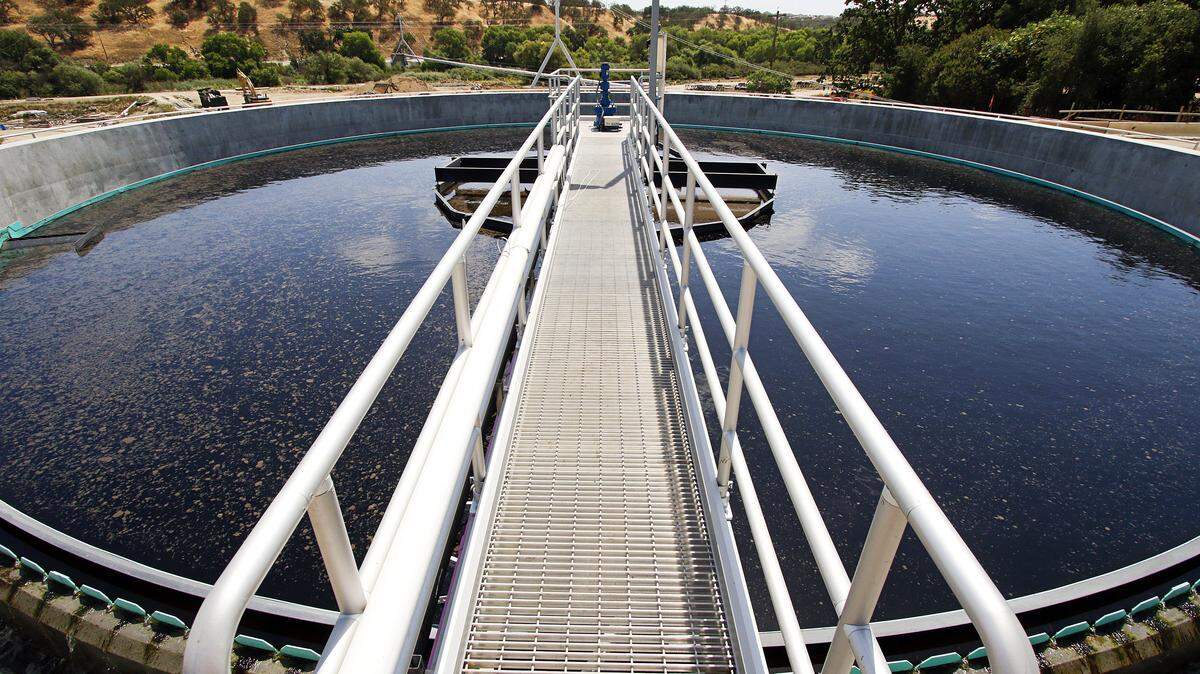
Heavy-equipment operators crunched over debris Wednesday as the metal arm of an excavator ripped out old pieces of a filtering system and hauled them into a dumpster.
The process was part of the demolition phase of Paso Robles’ 2 1/2-year modernization project of its decades-old sewage treatment plant.
“It’s the first major upgrade in 60 years,” city wastewater manager Matt Thompson said.
In April 2013, the $49.6 million project — the largest public works project in city history — broke ground. Now 90 percent complete, it’s expected to be finished in the fall.
Designed for a 40-year lifespan, the plant uses modern and sustainable features, including systems to reduce its utility bills about 40 percent by generating energy from the gas produced by wastewater sludge.
“Now that we have much higher-end processes, we’re actually more energy efficient,” Thompson said.
The new processes were started last month and are in the testing phase.
Already, residents can detect new benefits to the Salinas River, with cleaner discharge that will improve the health of aquatic life downstream of the plant, and steelhead trout will once again be able to migrate in the Salinas River, Thompson said.
“Most people don’t know this, but the Salinas is actually a migration corridor for steelhead trout, and they are supposed to pass through the plant’s discharge to get to their spawning grounds,” Thompson said. “But there was just too much ammonia in the water, which would effectively block the trout from moving past the wastewater discharge.”
The new systems also are designed to stop pollution of salts, nitrates and disinfection byproducts into the Salinas River, which have caused costly state fines for the city.
“The quality of treated wastewater released to the Salinas River has already improved greatly,” Thompson said. “The new treatment process is presently removing 97 percent of solids and 99 percent of ammonia from the wastewater.”
The new biological treatment process also has started to remove nitrates from the wastewater, he added.
On Wednesday, Thompson dipped a clear glass beaker into the plant’s polishing channel, where the treated water runs over rocks and pools in one last aerating step before it travels into the river, moving north toward San Miguel and Monterey County.
Ducks paddled in the channel, and a turtle sunned on a rock. Workers at the site recently saw a beaver munching on some willows.
“You can see the clarity of the water is already so much better,” Thompson said as he held the beaker up to the sun. “Before, the water was yellow from ammonia and nitrate.”
Elsewhere at the site, the city is taking advantage of its natural hot springs — a phenomenon for which Paso Robles is historically known — to flow that water into the plant’s new operations building so its offices, labs and control room have radiant floor heating.
“But we don’t have to pay for the heat,” Thompson said, “which is really nice.”
Longer term, the facility upgrade also opens the door for the city to build a separate piping system to use recycled water for irrigating facilities such as parks, vineyards and golf courses.
Plans from about 15 years ago called for bringing recycled water to the city by 2025, but the system could come online sooner if demand calls for it.
“Due to the ongoing drought … we could potentially accelerate the recycled water project and complete it in the next five years,” Thompson said.
This story was originally published May 6, 2015 at 6:38 PM.