
Number of homeless people in SLO County has plunged since 2013, census shows
The number of homeless people in San Luis Obispo County has declined by 31 percent over the past two years, but the length of time people are homeless appears to be increasing.
The Homeless Point-in-Time Census Report published every two years by the Homeless Service Oversight Council of San Luis Obispo County said the number of homeless in the county dropped from 2,186 people in 2013 to 1,515 in 2015. The number of first-time homeless dropped from 50 percent of all homeless individuals in 2013 to 33 percent this year.
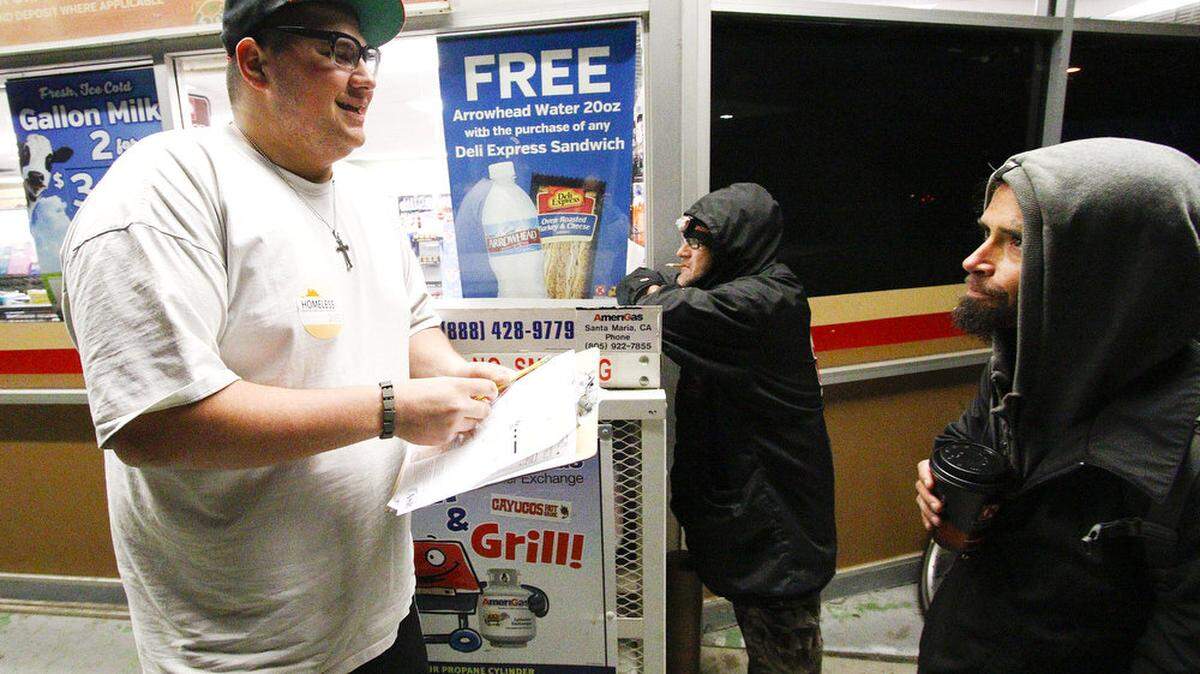
As part of its plan to end homelessness, the county conducts a census of its homeless population every two years. A census of the number of homeless individuals was conducted, followed by a survey of 399 individuals that determined demographic information such as ethnicity, age and veteran’s status.
“The county receives just over $1 million a year from HUD, and it’s critical for us to provide permanent housing for folks, and that’s the impetus for doing this study every two years,” said Laurel Weir, county Homeless Services Coordinator.
An improving economy, improvements in law enforcement practices and the expansion of a federal housing program for local homeless veterans are several possible reasons for the lower number of homeless, Weir said.
“While it’s difficult to pinpoint the exact reason why the overall point-in-time numbers have so sharply declined, the decrease in homeless veterans occurred over the same period of time that we were able to house a large number of homeless veterans through the federal Veterans’ Affairs Supportive Housing program,” Weir said.
Weir does not expect the amount of federal funding to go down as a result of the new census results. “Our funding is based on a formula that does not include the number of homeless,” she said.
Additionally, the county began several new homeless assistance programs over the past year. These include the 50 Now program for the most chronically homeless persons and a program that provides rapid rehousing assistance to homeless families who are participating in the California Work Opportunity and Responsibility to Kids program.
On the downside, the length of time people are homeless appears to be getting longer. In 2015, 66 percent reported being homeless for a year or more, compared to 47 percent in 2013.
The cause for this jump in the length of homelessness could be based on several factors including the low vacancy rate in homeless shelters and that fact that, because fewer people are becoming homeless, those that are homeless tend to be chronically homeless.
“This is something we are going to have to look into further,” Weir said.
The main cause of homelessness is the loss of a job or other source of income, listed by 23 percent of the respondents. Other causes were alcohol or drug use, divorce or other breakup of a relationship, argument with family or a friend and eviction.
At the behest of the federal Department of Housing and Urban Development, the county also used new guidelines to ensure that the census report is meeting the federal standards. The county hired a consultant to make sure it was complying with the new HUD standards.
The county Homeless Services Oversight Council is a panel of elected officials, representatives of homeless service agencies, homeless workers and formally homeless individuals appointed by the county Board of Supervisors who serve three-year terms. They advise the county on how meet HUD requirements, set priorities and oversee implementation of the county homeless services program.
Key findings of 2015 homeless census
- The number of homeless veterans decreased by 45 percent from 247 in 2013 to 130 in 2015.
This story was originally published October 1, 2015 at 5:58 PM with the headline "Number of homeless people in SLO County has plunged since 2013, census shows."