
How 2 SLO residents lost weight — and gained happiness
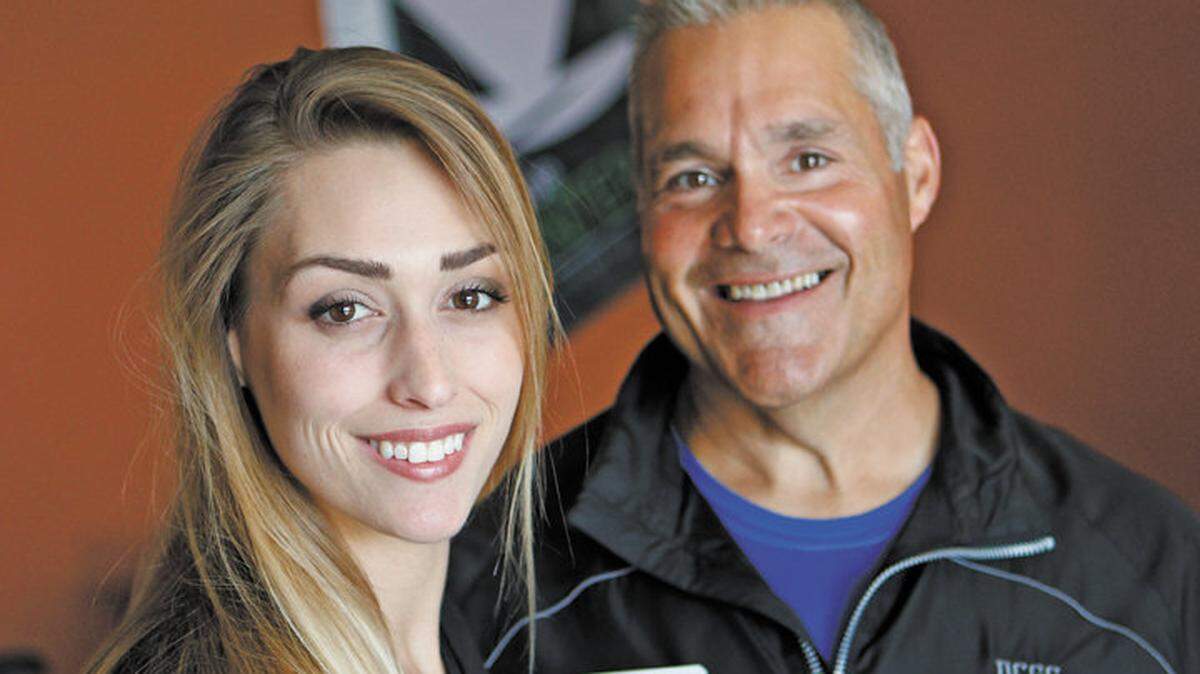
Gene Gomez lost 300 pounds over the course of a few years and Kelsey Hunt lost 50 pounds, both by incorporating healthy diets and exercise.
The San Luis Obispo residents and fitness enthusiasts weren’t happy with their conditions and wanted to make changes. They had to learn how.
Diet and exercise routines can lead to a fitter, healthier lifestyle to reach any weight-loss goal — whether it’s 10 pounds or 100. But it takes a positive mindset and educating oneself on how to make the right choices, they said.
“You have to know what’s going into your body and have control over it,” Gomez said. “You have to be proactive and aware of calories going in and calories going out. A lot of people just eat without thinking too much about it.”
Gomez and Hunt recommend several simple tips for those looking to shed pounds:
- Monitor meal portions and adjust your diet if necessary.
Cal Poly nutrition assistant professor Kari Pilolla said a common mistake is drastically changing a diet with a fad or trendy regimen.
Those diets may promise rapid weight loss but actually can restrict “so much that one becomes deficient in vitamins and minerals, as well as protein, fats and carbohydrates,” Pilolla said.
Pilolla strongly recommends choosing fruits and vegetables whenever possible and avoiding processed foods that are often high in added sugars, sodium and fat.
Losing half a pound to two pounds per week on a steady pace is recognized by the American College of Sports Medicine as safe and sustainable.
“The ideal method for losing weight and staying in shape is a combination of eating right and exercising regularly,” Pilolla said. “For those who are just beginning to exercise and diet, they should take it slowly and learn how to incorporate the new behaviors into their lifestyle.”
Yet a variety of factors can keep people from dropping the pounds even with exercise, according to researchers.
Those include a low metabolism rate; gender (women tend to have a higher percentage of body fat than men); an underactive thyroid, which slows metabolism; hormonal changes; genetics; and stress, which produces a hormone called cortisol that can increase fat storage.
And those who are morbidly obese, typically defined as being 100 pounds or more overweight, can have a difficult time keeping the weight off after shedding pounds through diet and exercise.
That’s in part because people who are significantly overweight often don’t continue their workout regimens over the long term, according to a study authored by Paul S. MacLean and Rena R. Wing for the National Institutes of Health.
And even after dieting and working out to lose significant weight, the body may act as if it’s famished and work overtime to regain the pounds that have been shed, according to a study conducted by Joseph Proietto, a physician at the University of Melbourne.
But losing weight is beneficial for a number of reasons: It can reduce the chance of heart disease, cancer and Type 2 diabetes. Weight loss can also make it easier to breathe, avoid sleep apnea and reduce pressure on joints, among other benefits.
Kelsey’s journey
Hunt was a fit, active teenager, growing up in Bakersfield, competing in track and field.
But the 23-year-old’s body changed after high school.
She stopped playing sports or exercising regularly. Her mother became sick with a rare condition called acute disseminated encephalomyelitis, which affects part of the central nervous system in the brain and spinal cord.
Because she was distracted, Hunt wasn’t focusing on eating well or taking care of her body.
She ballooned to 197 pounds before dedicating herself to trimming down about two-and-half years ago.
Now, at 149 pounds, her exercise routine includes free weight training, high-intensity workouts and “power classes” that teach various methods of strength training.
She eats six lighter meals per day, including a lot of chicken, fruits and vegetables, tallying between 1,700 and 2,000 calories per day. Yet she won’t deny herself the occasional pizza, hamburger or hot dog.
She’s undertaking a program to be a certified personal trainer at Kennedy Club Fitness, where she currently works.
Hunt moved to San Luis Obispo a year ago, but when she goes home to Bakersfield, people take notice.
“Guys I used to have a crush on now will ask me out,” Hunt said. “Friends will get hold of me to ask advice about how to get in shape. One of the things I tell people is to stay patient. This won’t happen immediately.”
Gene’s path to a healthy life
Gomez, 53, a membership coordinator with Kennedy Club, said his goal was to improve his health when he joined Weight Watchers in 2008.
He was struggling with sleep apnea, Type 2 diabetes, as well as high blood pressure and cholesterol, at 525 pounds. A divorce and work-related injuries contributed to his size.
“I was dependent on medications,” Gomez said.
But sensing his health was in jeopardy, he changed his lifestyle. By 2010, Gomez got his weight down to 210 with constant vigilance of his diet and steady exercise.
Weight Watchers taught him how to eat properly, providing guidance through a point system that helped him manage his consumptions. He kept away from white sugar and white flour — both processed foods.
Gomez started out by walking before increasing his workout intensity to swimming, running, biking and gym workouts. He participated in the SLO Triathlon in 2010 and 2011.
Of late, knee injuries have curtailed the options, and he has focused on golf or swimming, low-impact exercises.
He admits that he was “overtraining,” working out seven days per week and not allowing his body a chance to rest.
Currently, his weight has increased to about 250, more than he’d like it to be. But it’s still better than where he was seven years ago.
“I’ve had to adjust my diet,” Gomez said. “I’m older, and my metabolism is slower. But I feel so much better. I’m so much happier.”
The right mindset
A common mental block to get fit is “waiting for the right moment,” such as the new year or summer, Pilolla said.
“Why postpone eating healthy until tomorrow when you can get a jumpstart and begin eating health now?” Pilolla said. “You can easily decide to start eating health with your next bite of food, your next snack, your next meal.”
Pilolla advises maintaining control of what goes into your body, including not letting restaurants or stores dictate portion sizes that are “often much larger than you need.”
“Plan meals and snacks ahead of time,” Pilolla said. “Cook and prep foods on the weekend or days off in order to have meals and snacks available during the busy parts of the week.”
Pilolla said that it’s OK to treat oneself with a favorite drink or food, but monitor how much of it and when.
Alcoholic drinks can also lead to an increase in body weight with non-nutritious calories that “do nothing for the body” and act as an appetite stimulant.
Pilolla recommends establishing “S.M.A.R.T” goals — goals that are specific, measurable, attainable, timely and realistic.
“Don’t make a goal to run in a race if you dislike running,” Pilolla said. “Don’t make a goal to eat broccoli if you dislike broccoli.”
Obesity in San Luis Obispo County
While 7.4 million adults and adolescents in California were deemed obese in 2011-12, according to the latest data compiled by the UCLA Center for Health Policy Research in its June 2015 “Obesity in California” survey, San Luis Obispo County’s numbers were relatively low compared with other counties.
The county’s obesity prevalence rate in adults 18 years and older was 12.6 percent of the population compared with the statewide rate of 24.8 percent.
Among youth ages 12 to 17 in the county, 26 percent were overweight and obese in surveys conducted in 2009 and 2011-12, compared with an average of 30.5 percent in California.
One of the study’s findings is that higher rates of obesity can be linked to those who lack access to affordable fruits and vegetables — which isn’t the case locally.
Kathleen Karle, the health promotion division manager with the San Luis Obispo County Public Health Department, said campaigns such as “Rethink your Drink,” which encourages milk or water instead of soda or sugary drinks, have helped promote healthy habits.
Karle also said that the county spreads the message of buying locally and planning simple-to-make meals that are also healthy by attending local schools and community events and organization meetings.
“Sometimes the unhealthy choice is the easy choice,” Karle said. “If people think eating healthy is too much work, they give up. We want to make sure they know they can make healthy and easy choices.”
Facts about diet, exercise and weight gain
Potential consequences of significant weight gain:
- Heart disease
- High blood pressure
- Stroke
- Type 2 diabetes
- Cancer
- Joint damage
- Sleep apnea
Source: National Heart, Lung and Blood Institute
Healthy foods encouraged by the 2010 Dietary Guidelines for Americans:
- Seasonal vegetables and fruits
- Whole grain options, including pasta
- Vegetarian entrees
- Lean meat entrees
- Low-fat milk, yogurt and cottage cheese
- High-fiber, low-sugar cereals
- 100 percent fruit juice
- Freely available drinking water
- Foods with less sodium
- Foods free of synthetic sources of trans fats
Source: Centers for Disease Control
Recommendations for physical activity for adults:
At least 30 minutes of moderate-intensity aerobic activity at least five days a week OR at least 25 minutes of vigorous aerobic activity at least three days per week, or a combination of both, AND moderate to high-intensity muscle-strengthening activity at least two days a week.
Source: American Heart Association
This story was originally published August 28, 2015 at 11:04 AM with the headline "How 2 SLO residents lost weight — and gained happiness."