
Plan to pipe Diablo Canyon's desalinated water to South County moves forward
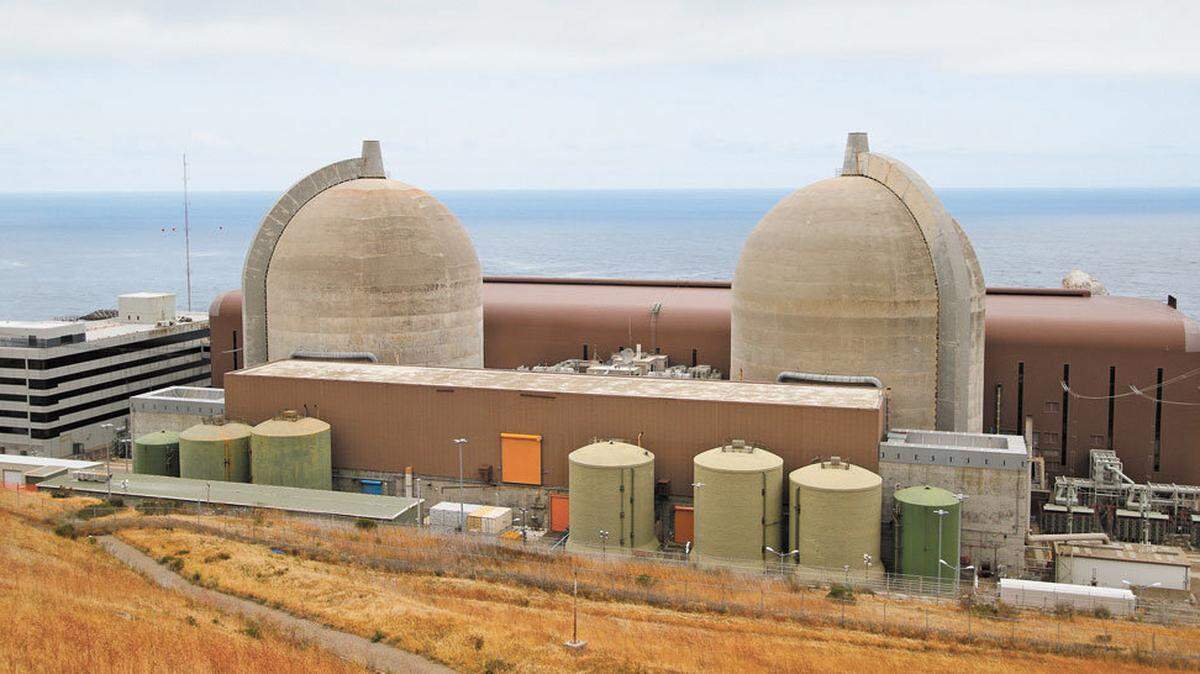
As many as 1,000 acre-feet a year of desalinated water from Diablo Canyon nuclear power plant could be made available to South County residents as soon as late next year under a plan given preliminary approval Tuesday by San Luis Obispo County supervisors.
The Board of Supervisors voted unanimously to allow Public Works staff to begin planning the construction of a 7-mile emergency water pipeline that would carry drinking water from the power plant to Avila Beach, where it could be fed into the water distribution system from Lopez Lake.
“We are going to need another source of water that is not precipitation,” said county Supervisor Adam Hill, whose district includes the power plant and parts of the South County. “I am looking forward to seeing this move forward.”
PG&E operates a seawater desalination plant at Diablo Canyon; it is the plant’s sole source of freshwater. However, the desalination plant has the capacity to produce an extra 500 acre-feet a year, which could be doubled to 1,000 acre-feet a year with some expansion of the facility.
Under the proposed project, an 8- to 10-inch pipeline would be laid along the main access road to the plant. Once in Avila Beach, the water would hook into the Lopez Lake water distribution system in Port San Luis. It could then be distributed throughout the South County in order to alleviate severe drought conditions.
Mark Hutchinson, county deputy Public Works director, said the project would cost from $8 million to $11 million and construction could be finished a year from now. This accelerated timeline is possible because of the drought emergency and the fact that the pipeline would be laid along an existing roadway.
“We are recommending moving ahead with the Diablo Canyon project as a top priority for the South County,” Hutchinson said.
Supervisors did not give the project final approval Tuesday. Instead, they authorized staff to begin planning the work and report back with a status update in January.
By then, the county should have a better idea of the status of the state’s exceptional four-year drought. Forecasters are predicting that El Niño weather conditions could significantly increase rainfall this winter, refilling reservoirs and giving some relief to the drought.
County staff will also look at the possibility of building a pipeline north of Diablo Canyon to Los Osos. However, that option is considered less feasible because an 11-mile pipeline would be required, rather than a 7-mile one to Avila Beach, Hutchinson said.
This initial planning phase is expected to require the time of two full-time employees and cost between $300,000 and $500,000, Hutchinson said. If the full project is eventually approved, the county would apply for state drought-relief grants to help defray the cost.
For the remainder of the money, the county would negotiate contracts with water purveyors and agricultural interests in the South County to purchase the water. Water rates could be raised by water purveyors to cover the cost of buying the water.
Public response to the pipeline project was mixed. Some praised the idea of using an abundant source of water from the ocean to help relieve the county’s water shortages.
“I see desalination as a very good thing, not just here locally, but statewide,” said Gary Kirkland of Atascadero.
Others, however, criticized the project as a government boondoggle and predicted it will not meet its ambitious timeline and will experience budget overruns. They also decried the environmental consequences of desalination, which include high electrical use and disposal of a high-salt byproduct of desalination called brine.
“What staff has given us today is kind of planning after a few beers,” said Brad Snook of Arroyo Grande, representing the local chapter of the Surfrider Foundation.
This drew an angry response from county Supervisor Frank Mecham. He said the county is responding to repeated public requests to provide a supplemental water source during prolonged drought conditions.
“You try to give solutions, and they are just kicked out the door,” he said. “I don’t know what else we can do.”
This story was originally published August 25, 2015 at 7:11 PM with the headline "Plan to pipe Diablo Canyon's desalinated water to South County moves forward."