
How NCAA’s $2.8 billion revenue-sharing settlement could reshape Cal Poly sports
The landscape of college athletics has been permanently reshaped following the approval of the House v. NCAA settlement by Judge Claudia Wilken on Friday.
After months of delays, largely due to concerns over proposed roster limits that could negatively impact current student-athletes, the settlement is now official.
While Cal Poly has already begun to feel the financial pressures associated with this agreement, further changes are expected in the coming months.
The settlement resolves a series of antitrust lawsuits filed against the NCAA and its power conferences (ACC, Big 12, Big Ten, Pac-12, SEC), which accused the association of illegally restricting athletes’ ability to earn compensation.
As part of the agreement, a new 10-year revenue-sharing model will be introduced beginning in the 2025-26 season. Conferences named in the settlement, along with other Division I schools that choose to opt in, will be allowed to distribute up to $20.5 million annually in athlete compensation, in addition to existing scholarships and educational benefits.
That gives wealthy schools a new tool to recruit top players while providing athletes a new revenue stream for their performance.
Additionally, the settlement agrees to pay $2.8 billion in damages to Division I athletes who were not allowed to sign name, image and likeness (NIL) deals, dating back to 2016.
For the first time, these payments can come directly from athletic department revenues, rather than relying solely on third-party NIL deals.
Starting July 1, universities will be allowed to begin this direct revenue-sharing process, signaling a historic shift in how college athletes are compensated.
Although Cal Poly was not a named defendant in the House case, the university, like all Division I programs, must choose whether to “opt-in” to the settlement. Doing so would allow Cal Poly to offer new forms of athlete compensation, such as direct NIL payments or enhanced scholarships.
But opting in also means the school agrees to be bound by the terms of the settlement, including revenue-sharing rules and roster limitations.
While this approval offers new opportunities for athletes, it presents considerable challenges for mid-major institutions like Cal Poly who have already shown signs of financial strain even before the settlement was finalized.
In March, Cal Poly announced the elimination of its men’s and women’s swimming and diving programs, citing anticipated budget shortfalls tied to the financial and structural pressures of the proposed $2.8 billion settlement. In response, the team has been working to raise $20 million in hopes of saving the program. The university initially set the fundraising goal at $25 million with a deadline of June 4, but later revised the goal to $20 million and extended the deadline to June 15, 2025.
Finding the funds to participate in the new revenue-sharing model will be an uphill climb for Cal Poly. Unlike power programs with lucrative TV contracts and major sponsorships, Cal Poly lacks a substantial revenue stream to draw from.
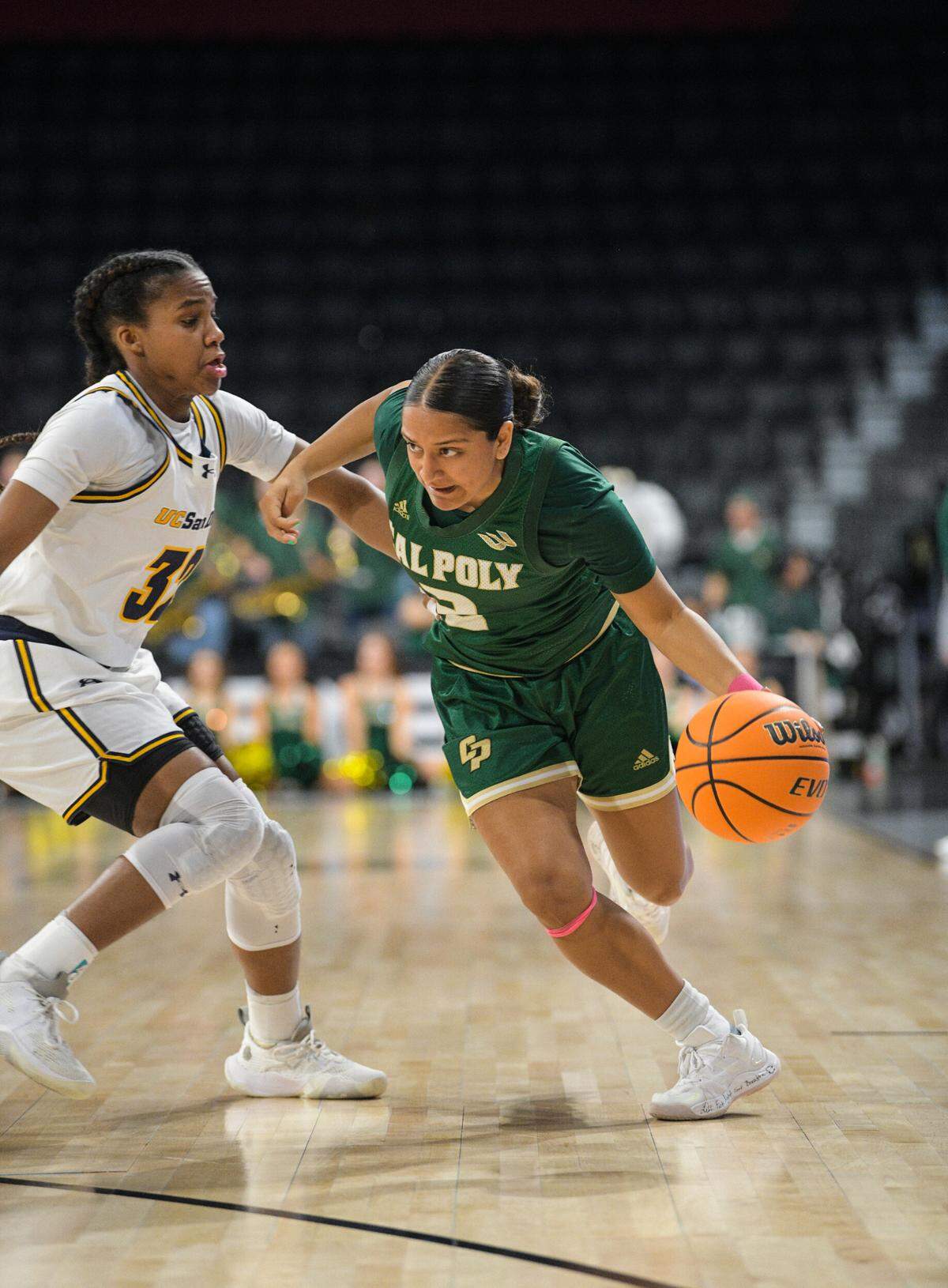
In a video statement that came out amid the swim and dive cut, Athletic Director Don Oberhelman acknowledged that Cal Poly must find a way to operate within this new financial landscape without resorting to additional program cuts.
One possible avenue is The Players Trust, a Cal Poly Athletics initiative that allows supporters to contribute funds used to expand scholarships and offer incentive-based income to student-athletes.
Each program will have its own Players Trust initiative, which allows supporters to contribute beyond financial aid and standard incentives.
But while collectives like these offer short-term relief, they also highlight a deeper issue: Without sustained funding or media revenue, Cal Poly must increasingly rely on outside contributions just to keep pace.
How the settlement poses challenges for a university like Cal Poly
Beyond finances, the bigger concern with the new framework may be sustainability.
With increased NIL pressure and the rise of the transfer portal, mid-majors like Cal Poly risk becoming development grounds for wealthier programs.
While Cal Poly lacks the financial scale of national powerhouses, schools in the biggest conferences regularly generate hundreds of millions in revenue, driven primarily by football, men’s basketball and expansive media contracts.
“We’re not gonna be at the same level and not even close to the power schools because they’re bringing in football and basketball money,” Cal Poly baseball Head Coach Larry Lee said. “At Cal Poly, we’re just not doing that.”

That financial gap not only affects how schools pay coaches and build facilities but also increasingly determines which programs can afford to retain top-tier athletes.
Lee said power programs now treat the transfer portal as a way to quickly address roster needs, often targeting athletes from mid-major schools who have already been developed elsewhere.
By the end of a season, those schools assess their weaknesses and look to fill gaps by attracting proven players from programs like Cal Poly — ones that have invested years into recruitment, development and playing time.
For coaches like Lee, the challenge isn’t just losing talent, but watching donor investments walk out the door after only a year.
“I have a hard time liking the idea that the donor money is going to something that is there for a year and then it’s gone,” he said.
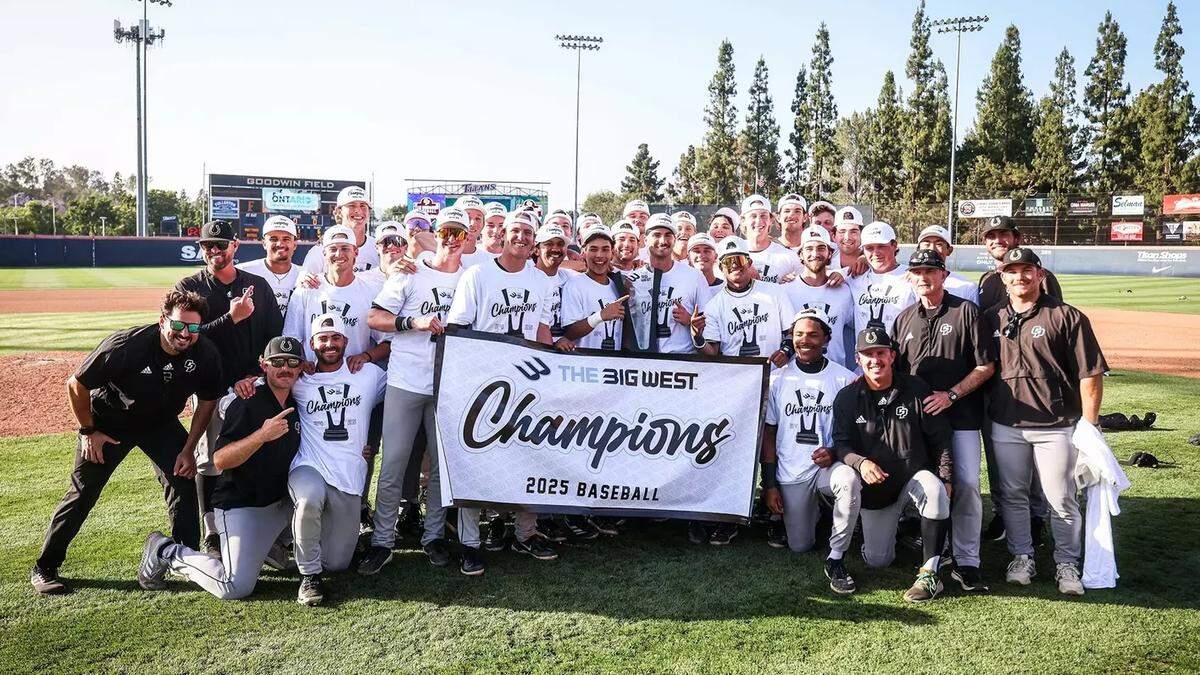
His comments come on the heels of one of Cal Poly baseball’s most successful seasons in recent history.
Earlier last month, the Mustangs captured the Big West title and advanced to the NCAA Regional final, the program’s deepest postseason run in over a decade.
For a team built on long-term development and consistency, the shifting dynamics of college sports now threaten to upend a formula that’s worked for years.
Will Cal Poly opt in?
So far, Cal Poly has not announced whether it plans to opt into the full revenue-sharing model beginning in July.
Without a guaranteed funding source or major media revenue, any participation would likely depend on aggressive donor support or newly raised funds, a tall order for a university already making difficult cuts.
The deadline for non-defendant schools to fully commit to revenue sharing is June 15.
With the July 1 implementation date fast approaching, the question isn’t just how Cal Poly will compete, but how it will pay to do so.
Fundraising, donor engagement and NIL collectives will all play a role, but without a clear strategy, mid-major programs like Cal Poly risk falling behind in a system increasingly driven by revenue and retention.
If Cal Poly does not choose to opt in to the full revenue-sharing model, the long-term effects could be significant when it comes to recruiting and athlete retention.
Top recruits will increasingly favor schools that can offer revenue sharing, enhanced NIL opportunities and better resources. Opting out signals to athletes that Cal Poly can’t match what other programs are offering financially.
This story was originally published June 10, 2025 at 5:00 AM.
CORRECTION: This story has been updated to clarify how Cal Poly’s Players Trust program works.