
California failed to honor Chumash stewardship at their Diablo Canyon homeland | Opinion
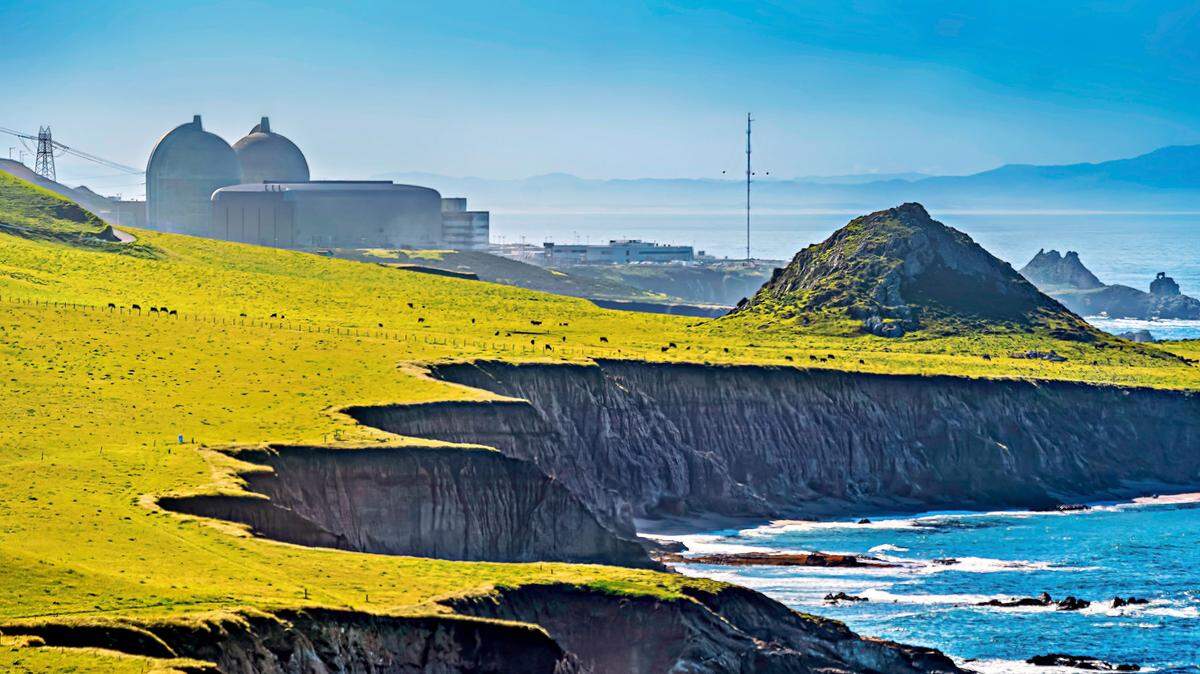
Along California’s Central Coast lies one of the most breathtaking and intact stretches of shoreline in the state — the tsɨtʸɨwɨ (Pecho) Coast. Rolling coastal bluffs, ancient oak woodlands and hidden coves frame a landscape that has survived centuries of change.
But this land is not only beautiful. It is sacred. It is ancestral. And it is unceded.
For thousands of years, yak titʸu titʸu yak tiłhini (ytt) Northern Chumash Tribe lived on and stewarded this coastline, leaving their villages and sacred places and cultural landscapes embedded in the land surrounding what is now Diablo Canyon. That relationship was violently disrupted in the colonial era, when the land was taken without consent or compensation. The harm of that dispossession did not end in the past. It continues today.
When PG&E announced Diablo Canyon’s planned retirement in 2016 — and when the California Public Utilities Commission approved the decommissioning pathway in 2018 — a rare opportunity emerged to begin repairing that history. For years, ytt Northern Chumash Tribe consistently participated in regulatory proceedings and public planning processes, asserting cultural, environmental and ancestral interests grounded in documentation, lineage and lived responsibility.
Coalition advances plan for restoration and justice
That work culminated in 2022 with the passage of SB 846, which directed the state to create Land Conservation and Economic Development Plan for the Diablo Canyon lands. In response, a broad coalition — led by ytt Northern Chumash Tribe with The Land Conservancy of San Luis Obispo County, Cal Poly and REACH — advanced a bold vision that refused to separate conservation from justice.
The proposal called for permanent protection of nearly 12,000 acres of pristine coastline while returning stewardship and ownership of most of that land to the documented Indigenous people to whom it belongs. It envisioned conservation not as the erasure of history, but its restoration — uniting tribal stewardship, public access, education, biodiversity and climate resilience.
This was not a symbolic gesture. It was a practical, forward-looking model grounded in California’s stated commitments to land return, tribal consultation and environmental leadership. It also aligned with the state’s 30x30 conservation goals (preserving 30% of California’s lands and coastal waters by 2030), workforce transition planning and climate resilience strategies. It offered educational opportunities through Cal Poly, sustainable public access through conservation partnerships and long-term economic contributions rooted in clean energy innovation and ecological restoration.
Coastal Commission fails to return land to ytt Northern Chumash
Yet in December, the California Coastal Commission approved an action that protects the land while failing to guarantee its return to ytt Northern Chumash Tribe. Conservation easements and public access requirements may preserve habitat and scenery, but they leave the original stewards without ownership, authority or meaningful control. Conservation can protect ecosystems, but cannot repair a broken relationship between land and people. Only land return can do that. In this framework, conservation becomes another form of control — protecting the land while keeping Indigenous peoples outside its gates. That distinction matters.
Equally important is who is recognized as having the right to steward and speak for this place. The ytt Northern Chumash Tribe is the documented, lineal descendant community of the Pecho Coast, established through extensive archaeological, genealogical, anthropological and historical records — including the 2020 Johnson Report commissioned by PG&E and unbroken family lineages tied to named ancestors and village sites.
California’s commitments to Tribal consultation and land return depend on discernment. A seat at the table must belong to documented Tribal peoples. Failing to make that distinction undermines legitimate tribes and risks repeating a history in which Indigenous identity is shaped by convenience rather than truth.
The question before the state is not whether the Pecho Coast should be conserved, but whether conservation will once again stand in for justice, or at last walk alongside it.
The ytt Northern Chumash Tribe has been clear: Land return benefits everyone via long-term stewardship guided by cultural knowledge, protection of sensitive and sacred sites and responsible public access — an approach fully aligned with California’s goals for climate resilience, biodiversity,and environmental justice.
Returning the Pecho Coast to ytt Northern Chumash Tribe would not erase the past. It would acknowledge it and begin to repair it.
That is not radical. It is responsible. And it is long overdue.
Kimberly Rosa has lived on the Central Coast more than 30 years. She is a nature lover and restorative justice advocate.