
PG&E gets a Diablo Canyon extension. SLO County schools need one too | Opinion
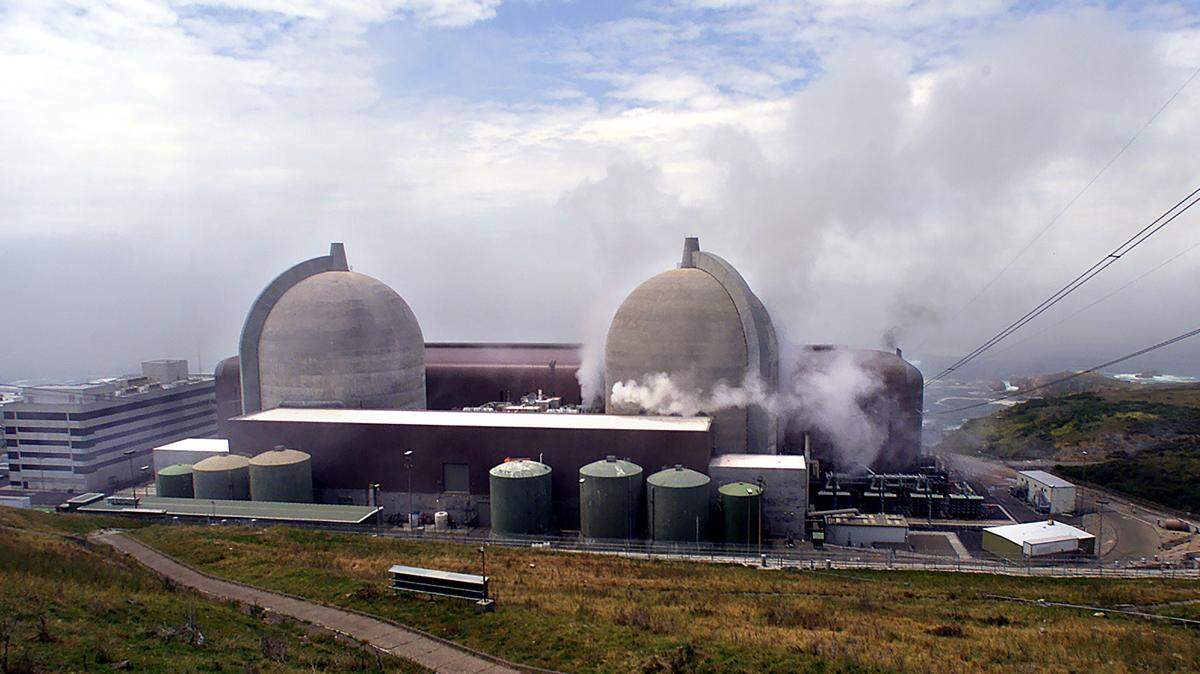
When it comes to supporting our local schools, San Luis Obispo County has long relied on a vital partner: PG&E.
For decades, property tax revenue from the Diablo Canyon nuclear power plant has helped fund teachers, classrooms, programs and student services across the San Luis Coastal Unified School District. But now that financial support is disappearing, even as the plant remains open.
In 2016, when PG&E announced plans to decommission the power plant, our community came together with PG&E to confront the economic and social impacts that closure would bring. Through the Joint Proposal — a collaborative agreement among state and local leaders, labor unions, community advocates and the school district — PG&E committed millions in a Community Impact Mitigation Fund to safeguard local jobs, support public schools and maintain regional stability.
That commitment reflected a shared understanding: If our community bore the risks of hosting a nuclear facility, it also deserved the resources to withstand its closure.
Now, PG&E is ending those payments, even though Diablo Canyon will keep operating until 2030 or longer. Concurrently, property tax revenue from the plant has plummeted. The story is clear: SLCUSD district revenues tied to DCPP have gone from roughly $11.7 million in 2019-2020 to barely $200,000, as projected by PG&E, in 2026-2027.
This means significantly fewer resources for our children. Fewer teachers. Larger class sizes. Cuts to programs that make school meaningful: arts, counseling, tutoring, reading interventions, social and emotional learning programs and enrichment. It’s hard to reconcile these sacrifices while PG&E profits at record levels from Diablo’s extended operations.
PG&E CEO Patti Poppe often speaks about Diablo Canyon’s role in supporting local families and schools. True support, however, does not end when it becomes inconvenient for the company’s bottom line. If the plant remains open, so too should PG&E’s full commitment to the community that sustains it.
As parents and residents, we are calling on PG&E to demonstrate that commitment through an annual $7.5 million direct support to our local school district. This is not charity, nor a handout; it is responsible corporate stewardship. It reflects the reciprocity that comes with operating a nuclear facility within miles of our children’s classrooms and playgrounds.
Our community benefits from the jobs DCPP provides, but it also shoulders responsibilities that few others do. Children in other school districts do not go to school near active nuclear reactors.
No other California families need to stock potassium iodide pills or train their bus drivers in nuclear evacuation and decontamination routes. These realities underscore why PG&E’s support has always been about more than just money. It’s about moral integrity and shared responsibility.
Diablo Canyon’s future has been framed as a matter of state energy security. But for San Luis Coastal families, it’s equally a matter of educational security. If PG&E wants to call itself a community partner, it must prove it through action and not performative slogans. Our children shouldn’t bear the cost of corporate bookkeeping maneuvers. True partnership means investing in the communities that make PG&E operations possible.
The authors are parents and founders of the San Luis Coastal Parent Information Network. Visit slcpin.org for more information.