
I live in one of the world’s most beautiful places. Climate change could destroy it | Opinion
One of my heroes is the late Supreme Court Justice William O. Douglas. He was an enthusiastic mountaineer who was enthralled by America’s alpine rivers, lakes, mountains, valleys and all the animals that called these places their homes.
So when the Disney Corporation wanted to build a $35 million ski resort in Mineral King, Douglas issued his famous dissent, arguing that trees, lakes and wildlife should have legal standing to sue for their own protection. Disney’s lawyers won, but after the passage of time, Disney decided to abandon the project. Now, hikers and backpackers can enjoy this pristine wilderness as part of Sequoia National Park.
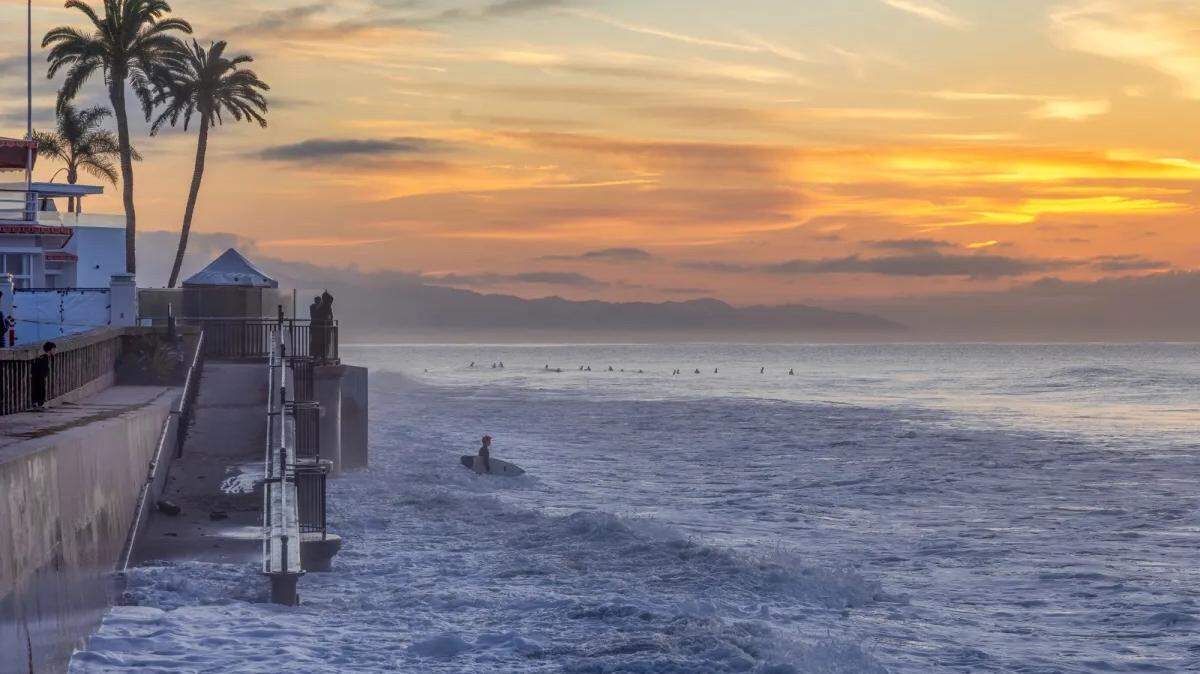
I’m lucky enough to live in San Luis Obispo County, where, after just a short drive or bike ride, I can walk down a trail through one of our beautiful open spaces or taking in breathtaking views of the ocean from the bluffs of Montaña de Oro. Like Douglas, I often experience a deep sense of awe while doing so.
But as our planet heats up due to rapidly rising levels of carbon dioxide, the very existence of several of my favorite places is threatened. According to California’s Fourth Climate Change Assessment, higher temperatures, drought, floods and wildfires may inflict significant damage on our oak forests and other native plants here in California’s Central Coast. Two-thirds of our beaches could be lost by the end of this century due to sea level rise.
If climate change is unchecked, ocean warming and acidification will harm our marine life. Some of our marshes may drown or become shallow mudflats, causing loss of habitat for wildlife as well as carbon sequestration.
These oak forests, marshes and marine life have no voices to speak in their defense. Like Douglas, I feel compelled to ask myself: Who will speak for them, if not me?
Let’s commit ourselves to raising our voices about climate change. Climate Scientist Katharine Hayhoe put it this way: “For you, for me, for every single person, … there is one simple thing that we can all do: Talk about it.”
We can talk to our friends and loved ones, to our political representatives and to the media. We can speak in a collective voice through groups like our local chapter of the SLO County Citizens’ Climate Education. Let others know that we have a responsibility to speak for those who cannot speak; they are depending on us to do the right thing for them.
What do you talk about? Talking about the science behind climate change and our environment is a good subject, but it can be much more effective to talk about the things you love: your children and grandchildren, our oak forests and pristine beaches. The people and environment we love are all threatened by climate change.
The challenge of climate change is daunting; it’s one of the most difficult problems to ever face humankind. But the solution starts with something very simple: talking about it. I believe if enough of us speak for those who cannot, we can turn the tide.
This story was originally published April 21, 2024 at 5:00 AM.