
Five years in … and still waiting for CPUC to make critical decisions about Diablo Canyon
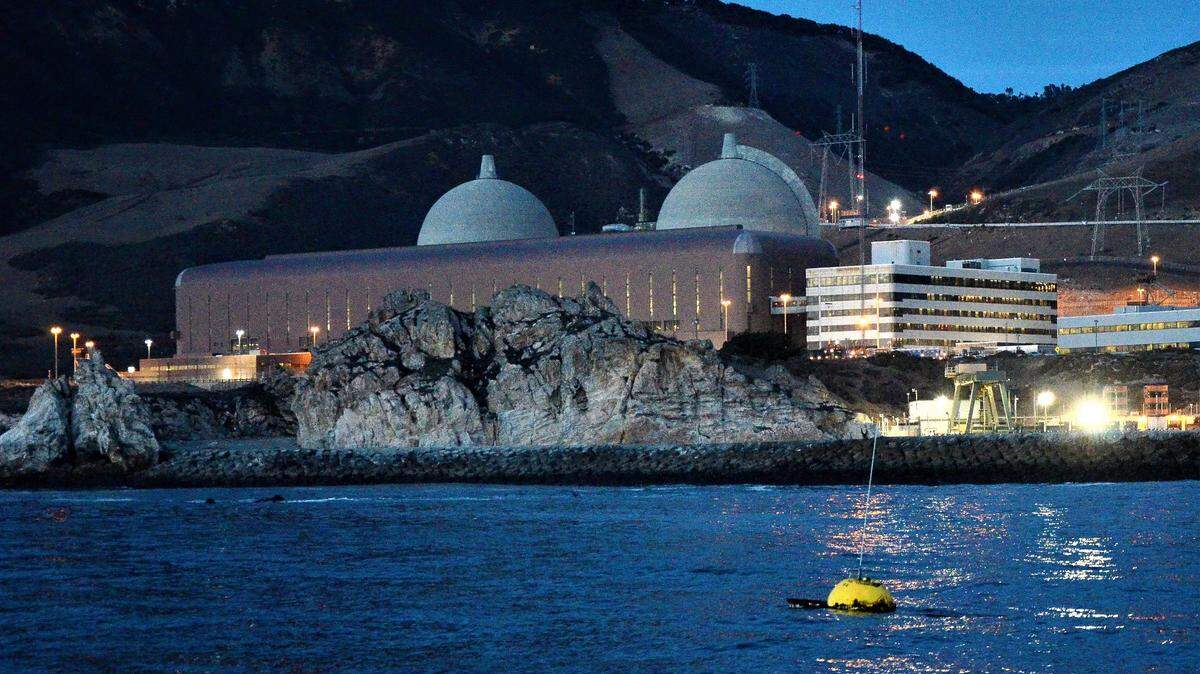
This month marks the fifth anniversary of the announcement that PG&E will retire the Diablo Canyon nuclear power plants at the end of their respective NRC licenses in 2024 and 2025.
The Alliance for Nuclear Responsibility (A4NR), together with the utility, labor, environmental groups and local governments, came to a settlement on the process back in 2016. Now, in the seeming blink of an eye, it is 2021.
Fewer years remain until the closing than have passed since its announcement but these final few years are on course for a bumpy landing.
Wildfires, brownouts and drought have justifiably raised public concern about “keeping the lights on.”
Questions persist: What power will replace Diablo Canyon, can Diablo last that long, and what becomes of the site when Diablo finally closes?
On the first issue, PG&E has made it clear that they are done with Diablo, as the exodus of customers to Community Choice Energy providers and unfavorable economics in light of decreasing renewable costs doomed ongoing operations of the nuclear plant.
Unfortunately, the California Public Utilities Commission’s (CPUC) recent decision in PG&E’s general rate case brings no fiscal relief to struggling customers trapped into paying for Diablo’s top-heavy final years. That operation contributes the overwhelming majority of PG&E’s self-calculated “above-market” costs — more than $1.25 billion in 2020 alone and possibly increasing every year until closure!
In a recent decision, the CPUC belatedly ordered the largest procurement of greenhouse gas-free and renewable energy in history — including replacements for the loss of Diablo — but if the lights go out will the commission nevertheless deserve the blame, given the five-year heads-up that Diablo was closing?
The aforementioned CPUC decision in the general rate case also allowed PG&E to collect nearly $100 million ratepayer dollars to rebuild the Unit 2 main generator, the utility having claimed — and the CPUC blithely accepted with no economic review — that it was a “safety related” investment.
This, despite A4NR’s protest that the new equipment would only operate for five years, despite a 25-year useful life.
If safety was a concern, the replacement is off to a bad start. It failed eight months after it began operating, then quit again before requiring another major repair. According to daily status reports from the Nuclear Regulatory Commission, between mid-July, 2020, and April, 2021, Unit 2 was offline two days for every one day it operated — shortening the already limited time it had to prove itself a worthwhile ratepayer investment — and the CPUC has deferred for yet another year its investigation into the serial shutdowns.
Will the snake-bitten Unit 2 fail again in a matter of weeks or months, when California grid needs are greatest?
A recent PG&E presentation demonstrated problems like misrouted hoses in the generator repair, causing temperature anomalies that are quite disconcerting, and its chassis has been jury-rigged with weights and plates to dampen vibrations that led to hydrogen leaks.
Adding insult to injury, PG&E and their cheerleaders at the Diablo Canyon Independent Safety Committee are now claiming the hydrogen dangers aren’t really the grave safety threat that was used to justify the project in the first place.
Given PG&E’s track record with the San Bruno gas pipeline explosion and the Paradise fire, are we to believe them?
Finally, the CPUC authorization of updated decommissioning costs for Diablo Canyon has languished for 18 months at that agency, despite a comprehensive settlement agreement between PG&E, ratepayer advocates and the county of San Luis Obispo.
Failure to issue a timely decision in this case may cause ripple effects in planning the decommissioning, which in turn affects potential projects for reuse of the Diablo site and creates uncertainty for the regional economic outlook.
The countdown to closure clock keeps ticking, but the nuclear plant’s final years are no time to relent on scrutiny and oversight; while many may be “done” with Diablo, Diablo is certainly not done with us.
David Weisman is legislative director for the Alliance for Nuclear Responsibility Legal Fund, www.a4nr.org.
This Viewpoint has been updated to reflect CPUC’s recent announcement of replacement power.
This story was originally published June 25, 2021 at 7:30 AM.