
It’s a (minor) miracle — city of SLO is finally updating its list of historic places
Two miraculous things happened recently in San Luis Obispo: the City Council did the right thing — and I admitted it.
After 40 years, the council decided to update our historic resources survey. Cultural Heritage Committee Chair Shannon Larrabee and Vice-Chair Eva Ulz deserve credit for pushing this; Council Member Andy Pease for getting it done.
The sudden urgency comes from a new interest in race.
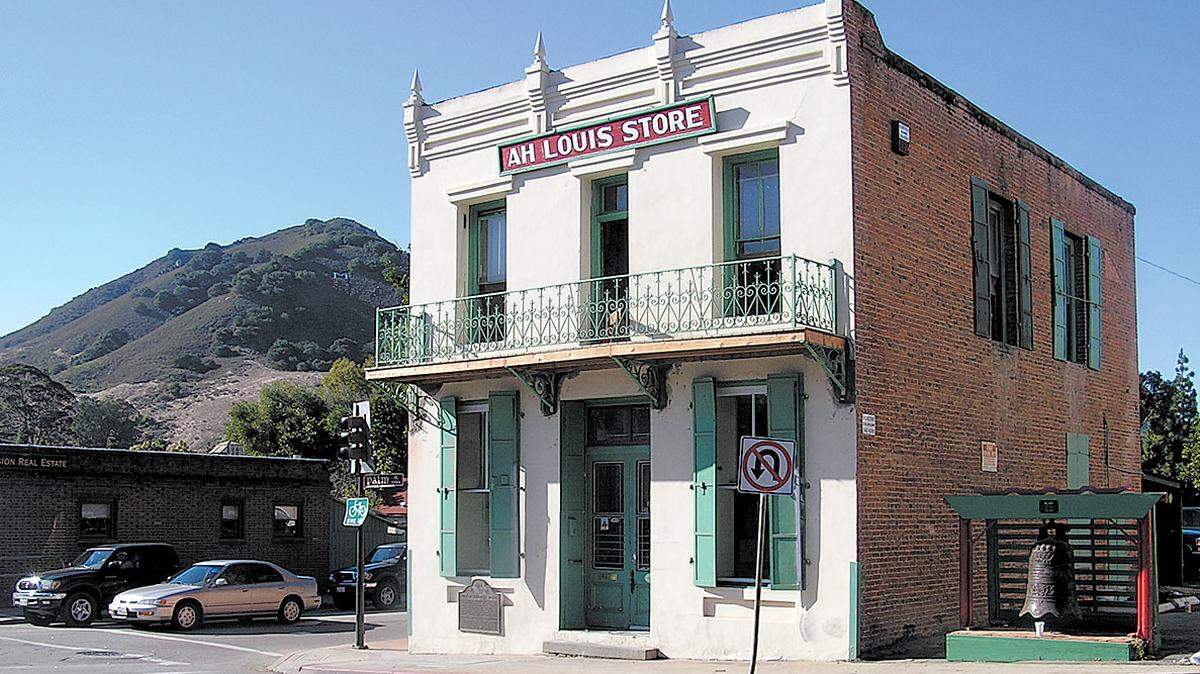
Of the city’s 192 Master List resources, none has been listed for association with a person of color except for the Ah Louis Store (which the council tried to tear down 70 years ago). A few adobes have been listed for association with the early white Hispanic hierarchy. The first Black-associated building — High Street Deli, once Frank and Alberta Bell’s Tiny Mart — will be proposed to the CHC this month.
Worse, the current policy regarding Japantown and the Black neighborhood that replaced it — a policy the council passed only 20 years ago (Mid Higuera Street Enhancement Plan, page 23) — is that there’s nothing of “historic value,” so the neighborhood will be “phased out” for weekenders’ luxury condos, just like Chinatown was demolished to build day-trippers’ parking. Worse still, of the three neighborhoods the city has bothered to survey for historic districts in the last quarter century, two were built for whites only.
San Luis was once less white and will be less white in the future, as we catch up with California’s demographics. The best gift we can leave future Obispans, the best way to honor the pain of past Obispans, is to preserve more than white sites.
Because it wasn’t by accident San Luis turned white.
There was the federal Chinese Exclusion Act of 1882; a 1920 state referendum against Asian immigrants owning or leasing property, which passed 97% to 3%; the city’s war on Chinese laundries (chronicled in Patricia Mary Ochs’ “A History of Chinese Labor in San Luis Obispo County”); our covenanted neighborhoods; the destruction of our Hispanic barrio by the 101; the inability of Black business people to get other than chattel mortgages at 24% per year; the resistance to public housing and to apartments in areas like Laguna Lake.
The money the council assigned to un-whitewash the city’s view of the past is $40,000 — budget dust — and sadly the city’s senior administrators tried to set up a fight for that dust, claiming it would diminish affordable housing funds. $40,000 will buy a closet in affordable housing; what the administrators are terrified of is preservation interfering with their plans for unaffordable housing.
I wish I believed the city administration is engaged in a war on homelessness, rather than a war on the homeless. Homeless people are disproportionately veterans, racial minorities, gay and transgender — people society has long rendered invisible.
The other day I biked by a homeless camp hidden in the landscaping of the 101-Madonna interchange—the same place our Buddhist church complex once stood, on the dusty margins of town but with sports fields to make the Young Men’s Buddhist Association and Young Women’s Buddhist Association kids into All-Americans. Yet these American-born youngsters were sent away anyway — to what the whites calling for their exile, and the state and federal government organizing it, unhesitatingly termed “concentration camps”: Manzanar, Poston, Gila River, Jerome.
The Buddhist church property was then occupied by Mexicans who’d been living in boxcars by the tracks. For my friends the Herreras, that was their first house in America. Later they owned a house in Frog Hollow, till Frog Hollow got bulldozed by the freeway.
We have a vast deficit of equality that for 50 years we’ve pretended suddenly vanished with civil rights, while economically it’s only gotten worse. Remembering doesn’t fix the past. But forget it, and how do you imagine a different future?
James Papp is a former Cultural Heritage Committee chair and executive director of the Coastal Awakening, an organization focused on the avant-garde movements that have flourished on California’s Central Coast.
This story was originally published June 23, 2021 at 7:00 AM.