
To the community of the Central Coast: We stand with you
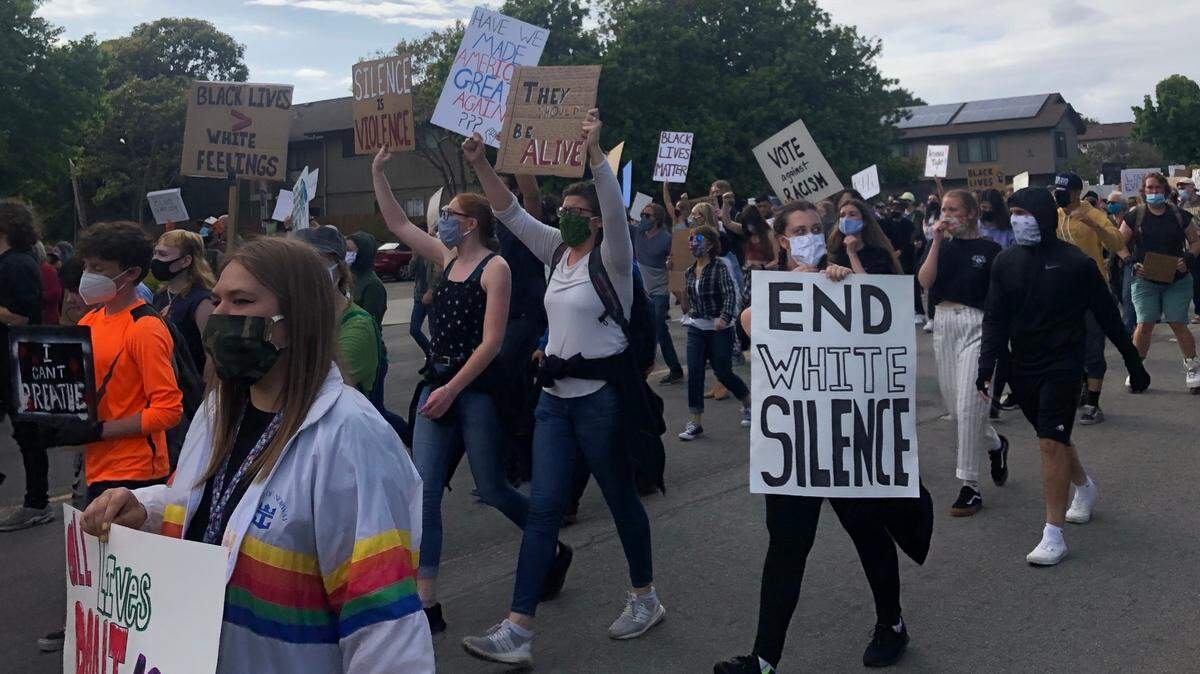
On March 25, our country united in horror at images of a Black man being brutally and callously killed by a uniformed police officer. George Floyd joined a long list of Black people who have been wrongly killed in our country, often at the hands of police. The pain and revulsion we feel have crossed the lines of race, politics and faith that have separated us ever more widely in these times of division and conflict.
As psychologists, we hope this tragic event will build greater awareness and unity of purpose in our society regarding the persistent harm of individual and systemic racism — from killings by police officers, to racial profiling, to discrimination in the workplace and housing, to stereotyping and stigmatization in media, and the everyday aggressions and exclusions people of color suffer.
Psychologists have a unique perspective on this harm, as we hear daily from our clients about the fear, insecurity, shame, trauma, depression and other mental health consequences of being members of targeted groups. As clinical scientists, research tells us these stories and harms are not merely anecdotal, but reflect a widespread reality for people of color. When an individual is the target of discrimination, there are negative effects for the broader community that shares that identity.
Other community members from other ethnic groups with a shared marginalized history can feel hurt by this experience. Some of these feelings can be a reduced feeling of safety when a member of one’s group is targeted, leaving the individual with feeling distressed, self-conscious, hypervigilant and demoralized. Being the victim or witnessing discrimination against a group member can lead to depressed mood and lower self-esteem. Some respond to racism and biases with actions. Others may respond with withdrawal. In either case, we know the emotional stresses associated with being a member of a targeted population not only produce agonizing emotional pain, but also lasting and serious effects on physical health. The stresses of racism alone destroy families, injure children, impair work-life success and shorten lifespans. Racism kills.
Harms experienced by people of color are real, serious and often part of their daily lives. We encourage all who are impacted by them to seek the help and support they need. Self-care during moments when we are targets, either directly or indirectly, of racist or bias incidents is essential to mental health. Here are some self-care and coping tips:
- Take a deep breath! Bias incidents can be shocking, so catch your breath before deciding how to respond.
- Be kind to yourself and remember that you or your community are not responsible for the bias incident.
- Not responding to bias incidents may lead to feelings of resentment and powerlessness. On the other hand, responding to every incident may lead to burnout. You need to find YOUR ideal balance.
- Using your collective support network(s) for validation and support is essential in self- care. Share your experience with someone safe.
- Seek mental health care if feelings of depression or anxiety interfere with your daily functioning or thoughts of suicide occur.
- Engaging with mentors, books, podcasts and other resources sharing other bias incidents may cultivate a sense of belonging.
It is white people, on the other hand, who bear the responsibility for mitigating and eliminating these harms. Many people of color feel supported by the involvement of white people in the peaceful demonstrations sweeping the country, including San Luis Obispo and Santa Barbara counties. It is valuable for those experiencing oppression to know that others stand with them in allyship.
Be mindful of your intent and impact when you act or speak. Urge our political leaders to support the growing consensus for racial justice and police and criminal justice reform. Let people of color in your life know you support them and are ready to hear their stories, then listen compassionately without challenging their experience and interpretations of it. This also is a good time to become more educated about the experience of people of color. Read the rich literature they have written and expose yourself to their music and art; those targeted by racist acts should not have to do the additional labor of educating others. Expand your friendships to people of all colors and races. We also urge individuals and families to talk about racial biases and racism with their family and children. Lean into that discomfort. Only through discomfort can we grow together.
This moment can become a time of historic reconciliation and healing. Let’s make sure it does. Black Lives Matter.
Mental Health Resources
- Central Coast Psychological Association: CentralCoastPsych.org. Provides a list of member psychologists.
- Community Counseling Center (SLO): (805) 439-3757. Provides low cost and MediCal-funded therapy.
- SLO County Behavioral Health: (800) 838-1381. MediCal-funded therapy throughout the county.
- SLO Hotline: (800) 783-0607 https://www.t-mha.org/slo-hotline.php; 211 Helpline www.211.org
Submitted by Dr. Rob Clayton, Dr. Susana A. Lopez, Dr. Stacy Hutton, Dr. Sharon A. Rippner and Dr. Daniel Fuselier, members of and representing the Central Coast Psychological Association (CCPA).