
4 SLO County cities have tax measures on the November ballot. Are they worth supporting? | Opinion
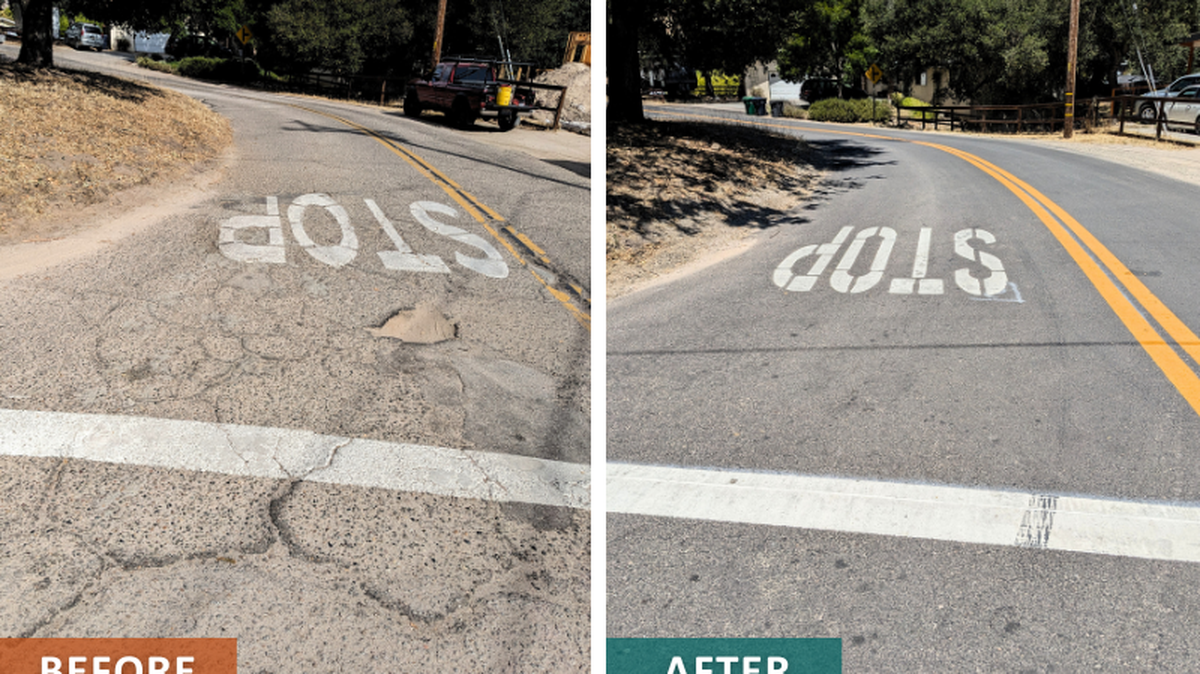
Four cities in San Luis Obispo County — Arroyo Grande, Atascadero, Paso Robles and Pismo Beach — have sales tax measures on the November ballot.
We encourage voters in each of those four cities to support them.
This is not a heavy lift. In the case of Atascadero and Paso Robles, there will be no actual increases; the measures are asking voters to extend existing taxes before they expire.
Arroyo Grade and Pismo Beach are seeking actual increases, but their current rates of 7.75% are among the lowest in the area.
Atascadero, Grover Beach, Morro Bay, Paso Robles, San Luis Obispo and Santa Maria all have their rates set at 8.75%. Arroyo Grande is requesting a 1-cent increase, bringing the rate in line with the other cities.
Pismo Beach is asking for an extension of an existing half-cent increase, plus an additional half-cent, increasing its tax to 8.25%.
All four measures require a simple majority — 50% plus one — to pass.
Keep in mind, these cities are not seeking to build Taj Mahals; they have far more practical goals.
Safe streets are at the top of the list in Atascadero and Paso Robles, which have been on multi-year campaign to repair badly eroded pavement, using revenue from sales tax measures approved years ago.
But there is still much to be done. If the taxes are allowed to expire, money for road repairs will dry up and the two cities will face the hard choice of deciding whether to delay repairing streets or take money away from other areas, such as police and fire, libraries, planning departments and parks and recreation.
Atascadero Measure L-24
Atascadero has over 150 miles of roads to maintain. Measure L-24 will generate $3 million a year for that purpose.
It’s an extension of the Measure F half-cent sales tax approved in 2014.
When the work began, the city’s streets and roads averaged a worrisome 47 out of 100 on the pavement condition index (PCI) — a national rating system for roads.
Now it’s a more respectable 56.
Here’s what those numbers mean: A rating of 0-50 is very poor to poor, and means reconstruction is necessary; 51-70 is fair and considered at-risk of rapid deterioration; and roads over 70 are in good to excellent condition, but still require preservation treatments.
Atascadero has made significant progress, but a rating of 56 means many roads are still in poor and at-risk categories. Even those roads that have been improved will require regular maintenance to prevent them from deteriorating once again.
Paso Robles Measure I-24
The city of Paso Robles is in a similar situation. According to Ditas Esperanza, the city’s capital projects engineer, the average PCI in the city is just 55 — 61 for the east side and 47 for the west side. (For a detailed look at the condition of Paso Robles streets, check out the city’s interactive map.)
The city’s earlier tax measure — E-12 — funded more than $78 million for road repairs, but an estimated $350 million is still needed, according to the city’s website. (That figure includes replacing utility lines.)
The longer the city waits, the worse — and more expensive — it will be.
“Pavement deteriorates slowly during the first 10 years of its life and the PCI rating decreases from 100 to 60 slowly,” Esperanza said via email “Once a street is beyond 10 years old, the PCI rating decreases rapidly; a street with a PCI of 60 can decrease to 30 within four to six years.”
Arroyo Grande Measure E-24
A 1-cent increase in the sales tax is expected to generate $6 million per year for a variety of needs — including road repair.
The average PCI in May was 56, according to City Engineer Shannon Sweeney.
“That value continues to fall as time progresses,” she wrote. “The rains accelerate the deterioration. About 40% of the city’s streets are currently in poor or very poor condition and need immediate repair. Meanwhile, 30% of our streets in fair condition will continue to deteriorate and move into the poor category over the next year or two.”
While road repair is the top concern, the city also plans to use the revenue to upgrade aging infrastructure and community facilities; to fund police and fire services; clean up litter and graffiti; and provide homeless services.
The 1-cent tax would sunset after 10 years.
Pismo Beach Measure F-24
Like Arroyo Grande, Pismo Beach is asking voters to approve a tax to cover a variety of needs, including road and sidewalk repair and maintenance, police and fire services, upkeep of parks and homeless services. The tax would generate an estimated $4 million per year and would sunset after 12 years.
The majority of that revenue — an estimated 63% — would come from visitors to the popular beach city. The city’s population swells during the summer to around 35,000, up from year-round population of approximately 8,000 Big events like the July Fourth fireworks display can draw as many as 100,000 people to the small community. That’s a significant source of revenue, but at the same time it puts a strain on city services, facilities and personnel. A bump in sales tax would ease that financial burden.
Tourist dollars
Tourists will contribute significant sales tax dollars in the other cities as well, but that doesn’t leave locals off the hook.
For the most part, the tax burden will be minor — even unnoticeable. On a $10 purchase, a 1-cent increase in the sales tax adds just a dime to the total. Of course, on large purchases like an appliance or a car, it will amount to much more.
In the long run, though, it’s more cost-effective to pay a little more in taxes now rather than later. Remember, the longer a road is allowed to deteriorate, the more expensive it becomes to repair — and the more your vehicle will suffer in the meantime. Even more concerning, potholes, cracks and debris in roads can lead to accidents and debilitating injuries — even deaths — for bicyclists motorcyclists and pedestrians.
These cities are not making unreasonable requests; in fact, it would be irresponsible to bypass this opportunity to secure funding for such essential needs.
The Tribune strongly urges voters in Arroyo Grande, Atasadero, Paso Robles and Pismo Beach to approve the sales tax increases on their ballots.