
Paso Robles has a chance to heal its divisive school board by electing these 3 candidates
Too often, educational issues have taken a back seat to politics at local school board meetings. That’s especially true in Paso Robles, where a board dominated by older conservative white men has pushed a personal political agenda that continuously marginalizes underrepresented groups.
Some school board decisions have left students of color and LGBTQ+ students demoralized and afraid for their safety, while Spanish-speaking commenters at meetings have been upbraided for not speaking English. Discussions about the district’s ethnic studies curriculum have been poisoned with unwarranted fearmongering about critical race theory being taught in high school classes.
That cannot continue.
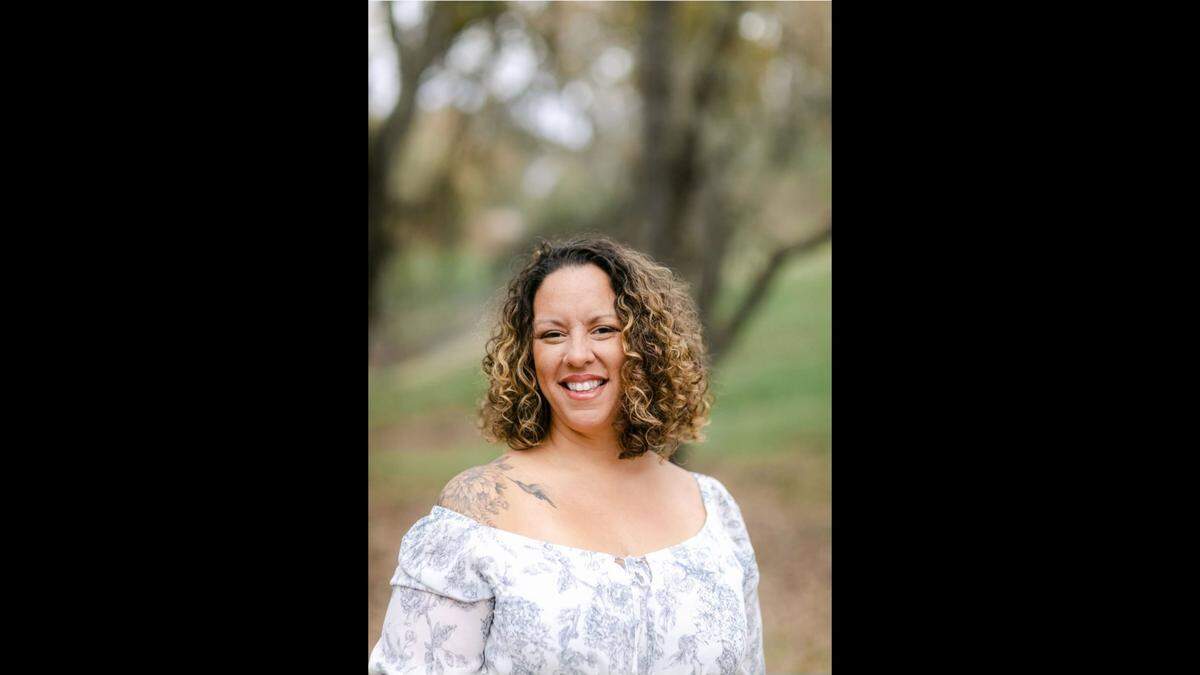
Voters have an opportunity to put a stop to this nonsense in November by electing three new board members: Jim Cogan in Trustee Area 1; Sondra Williams in Trustee Area 4; and Adelita Hiteshew for the trustee-at-large position.
.jpg "Paso Robles - Jim Coga_fitted (1).jpg")
Unlike most current board members, all three candidates have children in the district. That gives them firsthand knowledge of what’s happening on school campuses, along with the vested interest of parents navigating the educational system.
They also would bring some much-needed diversity to the school board — Hiteshew is Latina and Williams is Black — which is long overdue in a community where 56% of students are Hispanic/Latino, according to U.S. News and World Report.
And they have excellent qualifications.
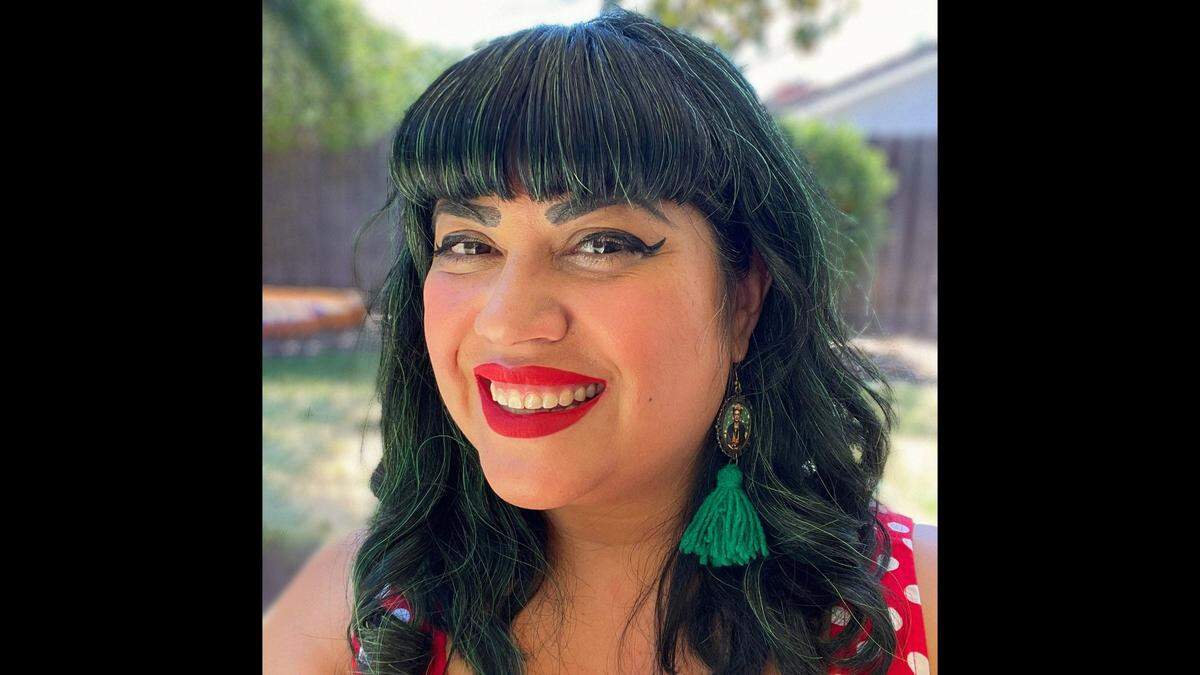
Williams is a nurse and serves on the Paso Robles Diversity Panel. Hiteshew has owned an in-home daycare, worked as a para-educator and served on PTA boards. Cogan co-owns a business — ACRECloud, an ag industry consulting company — and serves on several community boards, including the Heritage Ranch Owners Association, the city’s Supplemental Sales Tax Oversight Committee and the Paso Robles Recreation Foundation.
Most importantly, they’re in it for the right reason: for the success of students, not personal culture wars.
Ideological debates overshadow educational concerns
Too often, the current board has become needlessly embroiled in political and social issues that only further divide the community at a time when political polarization is at dangerous levels.
For example, not long after the district stumbled through an inadequate response to a Pride flag being flushed down a toilet at the high school, the school board took up a proposal to weaken a 2020 policy aimed at protecting LGBTQ+ students.
The district’s lawyer said the wording was “superfluous” because students would still be protected under a blanket anti-discrimination policy, but many in the audience — including students and teachers — didn’t buy it.
The school board ultimately tabled the issue, but this never should have been raised in the first place.
It was just one in a string of episodes in which school board members attempted — with varying degrees of success — to impose their political and religious views on a public school district, sometimes in defiance of state law.
Straight-up discrimination
The risks to the district’s kids are very real, because depending on the outcome of this election, the board could take an even sharper turn to the right.
Board President Chris Arend — a prominent Republican who has been pushing a conservative agenda — faces a challenge from an even more conservative candidate, Peter Byrne, who has been endorsed by the local Republican Party.
Byrne has expressed many reactionary views, including opposition to allowing a section of LGBTQ+ books to remain at the Paso High School library.
“I think they should take that library off of campus,” he said on KPRL radio. “I think it’s an indication of indoctrination, which I think is going on at school.”
He also opposes a plan for a community school on the Georgia Brown campus.
“It’s actually a socialist school setup, where they take care of mental health care, medical health care, food assistance, legal assistance, stuff like that,” he said at a candidates forum. “And they’re backed by the World Health Organization, they’re backed by the United Nations, and they’re backed by CDC and others. And I do not think that they are proper.”
Frank Triggs, a retired pastor who was appointed to fill a vacancy on the board, also is pushing a personal agenda and should be voted out.
In past Facebook posts — which he made private after their contents were revealed during his appointment process — Triggs denied climate change, cast doubt on the legitimacy of President Biden’s win, ridiculed efforts to do away with racist stereotypes in advertising and downplayed the dangers of COVID.
And he claims being transgender is an “imaginary condition.”
“When you’re born a boy it cannot be changed,” he said on KPRL Radio. “At conception (it’s) determined whether you’re male or female. That’s the facts.”
Byrne and Triggs are trying to erase decades of progress in recognizing and respecting the rights of LGBTQ+ individuals. That’s straight up discrimination and it has no place on a school board.
Both men declined to meet with The Tribune Editorial Board.
Candidates are under no obligation to speak with us, but we are not surprised that they declined to show up and try to defend their indefensible positions.
The decision for voters in this race is simple.
Parents and students in the Paso Robles Unified School District deserve a school board that will be accountable to the community and fiscally prudent, while putting education over political ideology.
They deserve board members who are kind, who look out for the most vulnerable among us and who don’t spread hate, distrust in public institutions and conspiracy theories.
The Tribune strongly endorses Jim Cogan, Sondra Williams and Adelita Hiteshew for the Paso Robles school board.
BEHIND THE STORY
MOREWhy do we endorse?
Making endorsements during election season is an important role for newspaper editorial boards, including The Tribune Editorial Board. Elections are key to determining the future of our Central Coast region, and through endorsements, we share our opinion of the qualifications of the candidates and recommend those who would best serve our communities.
Due to the large number of races on the 2024 General Election ballot, we are unable to issue endorsements in every race. We chose to focus on the most competitive contests.
For more about our process, click the arrow on the top right.
Who endorses?
Endorsement decisions are made by Editor Joe Tarica and Opinion Editor Stephanie Finucane.
How do we decide?
Candidates are invited to participate in an interview with The Editorial Board where they are asked a series questions about major issues. It’s our opportunity to learn the candidates’ positions and to gauge how well informed they are about issues they are likely to confront if elected.
We also research voting records of candidates who have held public office; we watch candidate forums; we look at back stories from The Tribune, as well as other publications that have covered the candidates; and we examine public documents. We also take a look at the candidates’ advertising and campaign statements. Are they overpromising, for example, or misrepresenting their opponent’s record?
In the case of ballot measures, we study the background of the issue, the pro and con arguments and consider who is supporting and opposing the measure.
Tell us what you think
If you disagree (or agree) with our endorsements, share your thoughts with us by writing a letter to the editor (200-word maximum). Email your submissions to letters@thetribunenews.com. Due to the volume of submissions we receive during campaign season, we do not publish Viewpoint-length pieces (600-800 words) in support or opposition to candidates.