
Should California voters approve a ban on flavored tobacco? Here’s our take
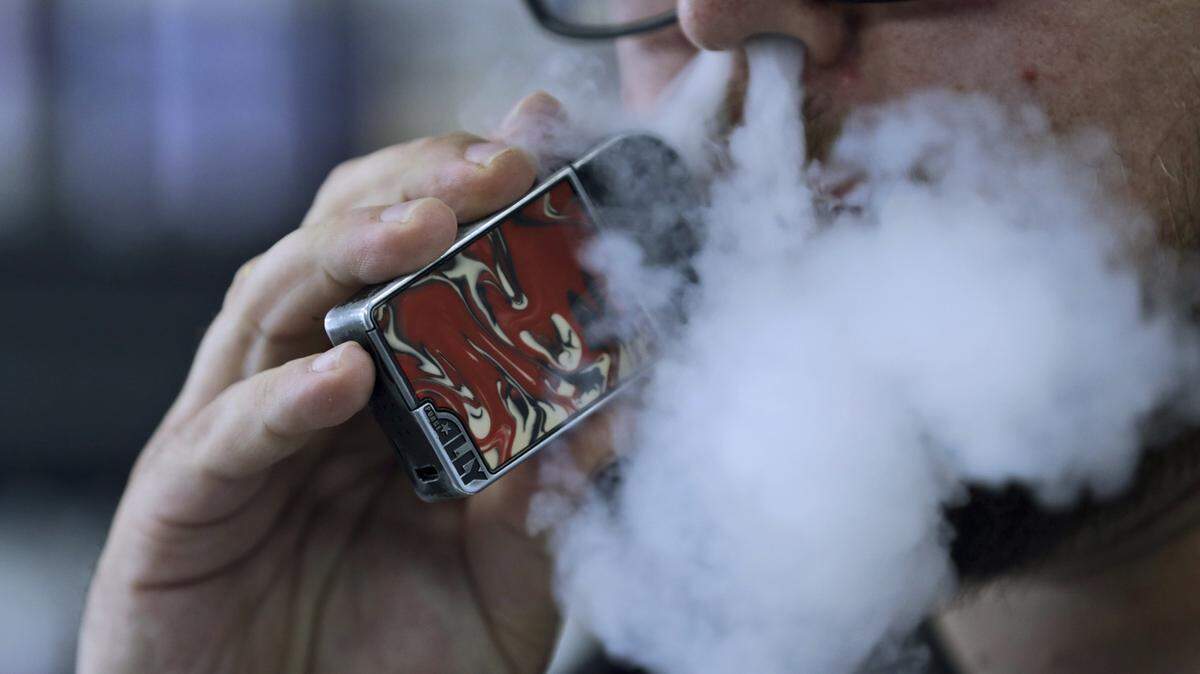
Passage of Proposition 31 would take candy-flavored tobacco products and menthol cigarettes off the shelves throughout California — a measure that’s overdue.
The opposition is the tobacco industry, which is trying to undo a bill, passed by the state Legislature in 2020 that prohibited the sale of flavored tobacco products. In response, Big Tobacco quickly poured $10 million into a signature-gathering campaign to get a repeal of the ban on the ballot.
That action put the legislation on hold, allowing the tobacco industry to make millions over the past several months by selling products like vape pens, cigarillos and smokeless tobacco with catchy names like Sweet ‘N Tart Lollipop, Cola Man and Blue Razz Burst.
What Proposition 31 would do
Now, voters have the chance to reinstate the ban by voting yes. If the measure fails, flavored products will stay on shelves, although several communities have passed local bans prohibiting them.
Proponents say prohibiting sales it’s a way to protect young people, who are big users of flavored products. According to the 2021 National Youth Tobacco Survey, e-cigarettes are far and away the most popular product among middle school and high school smokers, and 85% of those young smokers preferred a flavored product.
They’re attractive to young smokers because they mask the harsh taste of tobacco. Unfortunately, they also can lead to a lifelong tobacco habit — along with the nasty health effects that come with it, including cancer, heart disease, respiratory illnesses and premature death.
Yet the tobacco industry fights to keep the product accessible, knowing full well that even middle-school children have access to flavored products, even though they can’t be legally sold to minors.
That’s repugnant.
So is a decades-old marketing campaign that targets Black communities with promotions for menthol cigarettes.
Today, 85% of Black smokers use menthols, according to Dr. Phillip Gardiner, a researcher and co-chair of the African American Tobacco Control Leadership Council.
“The tobacco industry pushed this down our throats,” he told McClatchy opinion editors.
And menthol is especially insidious because, as Gardiner says, “it helps the poison go down easier” and as a result, menthol smokers tend to inhale more deeply and smoke more often.
No wonder a long list of health organizations, including the American Lung Association, American Heart Association and the American Academy of Pediatrics and the American Cancer Society Cancer Action Network, urge a yes vote on Prop. 31.
What opponents say
Opponents of Proposition 31 argue the ban is government overreach — another example of the California nanny state run amok.
Not true. This is not an outright ban on tobacco, but rather, a public health measure to protect an especially vulnerable population — children.
If tobacco companies were responsible, they would stop the sale of candy-flavored products voluntarily.
Nor is California an outlier.
The Food and Drug Administration banned flavored cigarettes — except menthol cigarettes — in 2009 and has proposed a ban on menthols as well.
Four other states — Rhode Island, New Jersey, New York and Massachusetts — have flavor bans in place, as do many cities and counties throughout California, including Sacramento and San Luis Obispo.
Opponents also argue that the Prop. 31 ban would be too broad, and would outlaw tobacco cessation products that can help smokers kick the habit.
It is true that FDA tobacco chief Brian King recently said e-cigarettes “could hold some public health promise” for people trying to quit cigarettes.
“But you also have to consider the opposite side of the coin, which is the inherent risks of initiation among youth. So I do worry about that,” he added in an interview with the Associated Press.
Tobacco smokers should have access to a range of products that make it easier to quit, and as science develops, it may be necessary to fine-tune the ban.
But for now, that isn’t a strong enough reason to further delay a law that would reduce smoking among youths, exposing them to major health problems and even premature death.
We strongly urge voters to say yes to Proposition 31.
This story was originally published September 30, 2022 at 6:00 AM.