
Hold your head high, California. Losing a congressional seat doesn’t mean you’re washed up
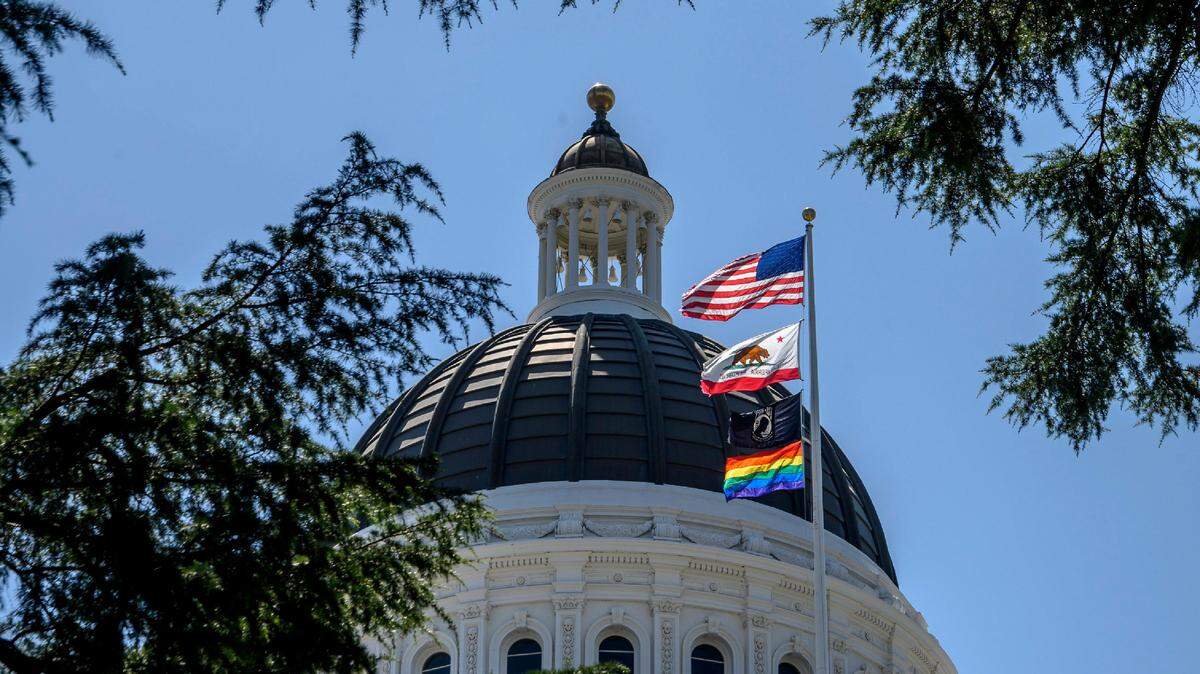
You can almost hear the hurrahs from California’s legions of haters.
For the first time in its history, the Golden State is losing a seat in the House of Representatives, which to them, can only mean one thing: California is entering a period of decline, while Texas — which gained two seats in the House — is a rising star.
Or, as the New York Times put it, the loss of a single seat is “yet another indication that its political influence may have plateaued.”
Please. California still has plenty of clout.
But let’s set aside the political ramifications, at least for now, and focus instead on what the 2020 census results really show and why it’s actually welcome news.
In other words, while this story is being cast in terms of “winners” and “losers,” it’s not that simple.
Our population is not shrinking
Contrary to popular belief, hordes of Californians are not fleeing to places like Montana or Arizona or Texas.
Over the past decade, the state’s population grew by 6%, to nearly 40 million people. That translates into 52 congressional seats for California, down from 53. Texas, the second most populous state, will have 38.
Other states grew faster. That’s not a bad thing
Overall, the U.S. population increased by 7.4% over the past 10 years, according to recent 2020 census figures. That’s the second-lowest population increase in U.S. history.
Utah was No. 1 on the growth chart; population was up 18.4%, to nearly 3.3 million. Three states — West Virginia, Mississippi and Illinois — lost population.
While the rate of growth was down in California over previous years, that’s a relief. The state is having a hard enough time taking care of the people already here.
And it’s no wonder, given the challenges we face. Here are some:
We’re in a drought.
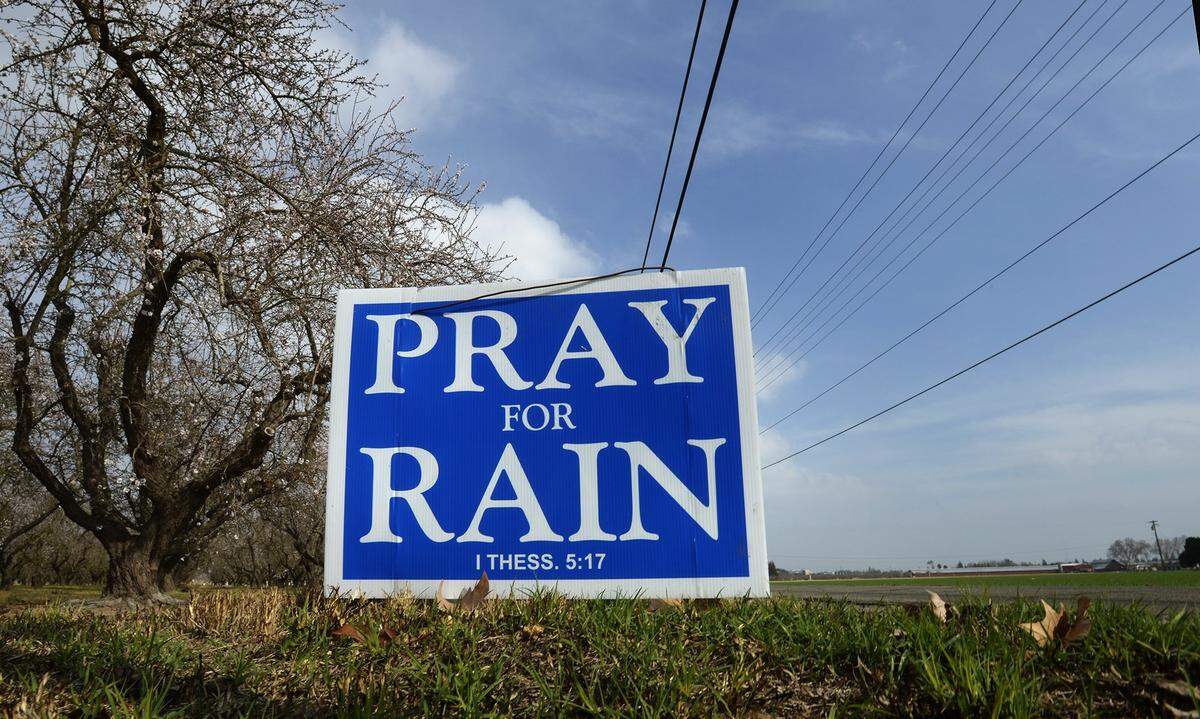
How bad is it?
As of April 20, about 85% of the state was in severe drought, according to the U.S. Drought Monitor.
The state Water Resources Control Board is spending $2.3 million on temporary water tanks and bottled water for residents whose wells have gone dry.
And Nestle, which has pumping water from the San Bernardino National Forest to sell as bottled water, has been ordered to cease and desist.
We don’t have enough housing.
Experts disagree on the the number of new housing units needed to take care of the backlog; estimates range from 1 million to 3.5 million housing units.
The California Department of Housing and Community Development says we should be adding 180,000 units per year; we’ve been averaging 80,000. The shortage of homes for low- and moderate-income households is especially critical.
We’re trying to reduce greenhouse gas emissions.
California already was attempting to reduce greenhouse gas emissions 40% below 1990 levels by 2030. Now President Joe Biden has announced an even more ambitious goal of 50-52% below 2005 levels.
Transportation is the single biggest source of greenhouse gas emissions in California — accounting for a whopping 47% of the total in 2018, according to the California Air Resources Board. More people means more gas-powered cars and trucks on the road. Until we make the transition to electric vehicles — and/or greatly improve mass transit — slower growth is a blessing.
We need to get a better handle on fires — and floods.
Our response to wildfires has been more reactive than proactive, and sadly, too many Californians have lost their lives as a result. Now we’re facing another menace: sea level rise. We have important decisions to make about where — and how — to grow, in order to keep people out of harm’s way.
We have a huge backlog of infrastructure needs.
A 2018 report card issued by the American Society of Civil Engineers gave our roads a “D.” Bridges did only slightly better: They got a C-.
According to the League of California Cities, local streets and roads need $82 billion worth of work — that doesn’t include state highways.
And while roads are generally the first thing that comes to mind when we talk infrastructure, water and sewer systems, flood control, power lines and communications systems come under that heading too.
Don’t forget earthquakes.
That used to be the No. 1 argument for staying away from California. No longer — or at least, not until the next Big One reawakens fears.
But California isn’t alone in facing challenges; every state in the Union has its pluses and minuses.
Most Californians have done the math and figured out that this is where they want to be. For those who have decided to try their luck in Texas or Arizona or Colorado, we wish you luck.
So can we please not turn this into a popularity contest?
A slow-down in population growth isn’t a mark of shame; it’s a chance to catch our breath. If it means giving up one congressional seat, so be it.
This story was originally published April 29, 2021 at 7:00 AM.