
Exclusive: Did COVID tank SLO County tourism? Here’s what bed tax receipts show
Editor’s note: This is part one of a two-part editorial series on the impact of COVID-19 on tourism and business in San Luis Obispo County.
There was no Mid-State Fair. Or Fourth of July fireworks displays. Or Cal Poly graduation ceremonies.
Bars, restaurants and wineries operated at reduced capacity — or in some cases, not at all — and at times, downtowns looked more like ghost towns.
Still, tourists visited the Central Coast in 2020, even when we politely asked them to stay away with pleas like this one from the city of Morro Bay: “We encourage our visitors to explore their own hometowns during this time and know that Morro Bay will welcome back all visitors after the pandemic is fully addressed.”
“Fully addressed” or not, visitors came to SLO County, pandemic or no pandemic.
When figures for 2020 were tallied up, transient occupancy tax paid by hotel guests — more commonly known as bed tax — was down on account of COVID-19, but not by as much as you may think.
Overall, bed tax generated by all seven cities and unincorporated areas like Cambria, San Simeon and Avila Beach totaled nearly $36 million in 2020, a 17.5% decrease from 2019, when TOT brought in nearly $43.5 million.
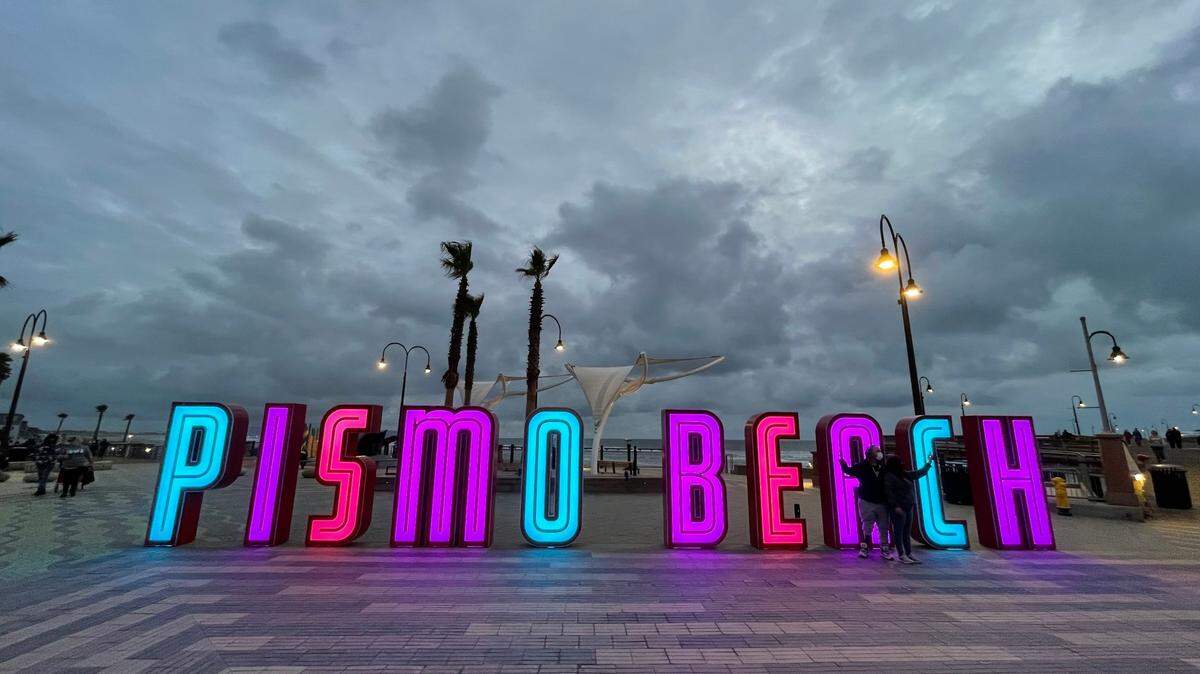
Among the seven cities, Pismo Beach bed tax dropped only 1.4% in 2020 compared to 2019, according to figures supplied by Visit SloCal.
Pismo took in nearly $10.3 million in calendar year 2020, compared to $10.4 million in 2019.
At the other end of the spectrum, the city of San Luis Obispo experienced the greatest loss of nearly 39%, dropping from $8 million in 2019 down to just under $5 million in 2020. (One caveat: The city’s estimates varied slightly.)
Here’s how other cities fared (figures are rounded):
- Arroyo Grande: Down nearly 32%, from $1.1 million in 2019 to $753,000 in 2020
- Atascadero: Down 33%, from $1.4 million in 2019 to $950,000 in 2020
- Grover Beach: Down 3.5%, from $495,000 in 2019 to $477,000 in 2020
- Morro Bay: Down 20%, from $3.5 million in 2019 to $2.8 million in 2020
- Paso Robles: Down 24%, from $6.6 million in 2020 to just under $5 million in 2019
The spring months of March, April and May were especially brutal, when the state was in lockdown and there were fears that California would become like New York City, where conditions were desperate.
In April 2020 — the first full month of the pandemic — bed tax in the city of San Luis Obispo, for instance, plummeted 91% over the previous April.
Why was Pismo less affected?
April was a bleak month for Pismo Beach hoteliers as well — TOT was down nearly 82% — but tourism rebounded in the summer.
Jeanette Vierra, vice chair of the Pismo Beach Chamber of Commerce, said these are reasons hoteliers mention:
The beach stayed open. There were periods of time, including big holiday weekends, when other California beaches completely closed or limited activities like jogging, surfing and swimming — no sunbathing allowed. Pismo Beach did limit parking in an effort to keep the crowds down, but never fully closed its beach.
Campgrounds closed. State Parks closed all campgrounds for several months, which meant visitors who might normally camp at Pismo State Beach or the Oceano Dunes booked hotels or vacation rentals instead.
Remote work. Because employees were no longer tied to going to the office, that freed them up to spend extended periods of time away from home.
Fires and intense heat. It was another record-setting fire season in California and that, along with inland heat, had many residents heading for cooler coastal areas with less smoky conditions.

How about other parts of the county?
One category — Airbnbs in unincorporated SLO County — was significantly higher, generating $2.1 million in 2020, compared to $1.8 million in 2019.
Despite that boost, TOT was down overall by nearly 10%, from $11.8 million in 2019 to $10.6 million in 2020.
Here are totals for some key destinations:
- Avila Beach: Down just 1.4 percent, from $1.67 million in 2019 to $1.61 million in 2020
- Cambria: Down nearly 22%, from $3.7 million in 2019 to $2.9 million in 2020
- Cayucos: Down 4%, from $1.05 million in 2019 to $1 million in 2020
- San Simeon: Down 31%, from $1.8 million in 2019 to $1.3 million in 2020
A few smaller communities with vacation rentals and bed-and-breakfast inns — including rural Arroyo Grande, rural San Luis Obispo and Templeton — saw slight gains in TOT.
What are the take-aways?
While SLO County ended the year on a not-so-bad note — at least as the hospitality industry is concerned — those in the tourism business warn not to get too complacent.
“It is important to understand that once other destinations across California, the U.S. and the world begin to reopen to visitors, the customers from this last year will not return at the same rate,” Chuck Davison, president/CEO of Visit SLO CAL, said in an email.
In other words, there will be increasing competition for tourist dollars.
That means we’ll need to continue to showcase — and protect — the unique attributes of SLO County, starting with the open spaces that give our area its laid-back, rural vibe.
We’ll also need to support our more urban amenities like dining, shopping and entertainment, which is why financial aid in the form of government grants and loans is so important to help existing businesses survive and new ones open.
At the same time, we can’t forget — or let visitors forget — that we’re still in a pandemic.
The last thing we need is a mini-version of what happened in Miami, when it was overwhelmed by spring breakers.
But let’s put this in perspective.
We now know that the outdoor attractions that draw many tourists to SLO County — the beaches, lakes, parks, hiking and cycling trails, farmstands and vineyards — pose much lower risk than the indoor parties and social gatherings by locals that have fueled past surges.
And as long as restrictions like masking up, social distancing and respecting occupancy limits are enforced — are you listening, local officials? — we can stop treating tourists like frenemies and welcome them back to San Luis Obispo County.
But first, some words of warning:
No crowds of rowdy bar hoppers.
Keep your distance on the Bob Jones Trail (and everywhere else, for that matter).
And please, don’t forget to pack a mask or two.
Coming up Monday: What countywide sales tax receipts show.
This story was originally published April 1, 2021 at 5:30 AM.