
SLO County has capped the number of hotel rooms allowed to open. Will that keep tourists away?
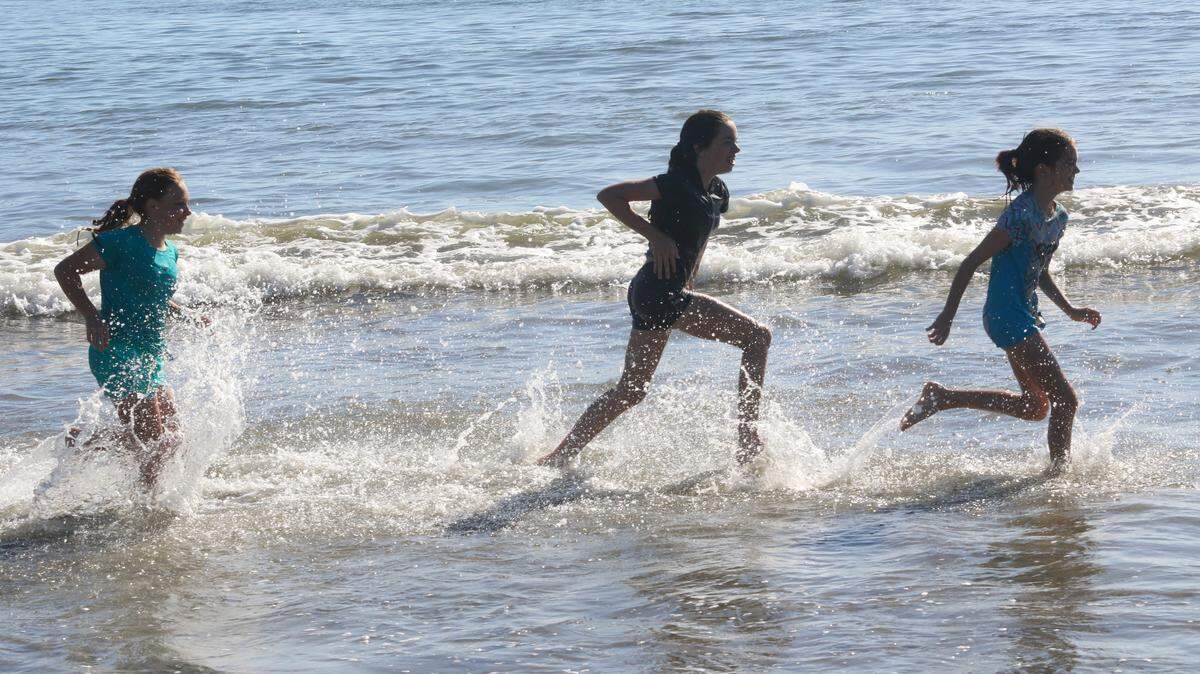
San Luis Obispo County has been sending some mighty mixed messages to out-of-towners contemplating a visit to the coast.
First, the county launched a campaign on social media — aimed primarily at San Joaquin Valley residents — politely, even timidly, asking them to stay home.
Then on Friday, County Health Officer Penny Borenstein announced the county is limiting hotel and short-term lodging occupancy rates to no more than 50%, and only for essential travel. The order takes effect on May 17 and will be re-evaluated every 14 days.
Meanwhile, local beach hotels have been taking reservations and even advertising to Valley visitors interested in a getaway.
A few are already fully booked for Memorial Day weekend, though it’s unclear whether that was before or after the 50% occupancy limit was announced.
And it’s not just beach towns that are opening their doors to visitors.
Hotel San Luis Obispo, one of downtown San Luis Obispo’s two new big hotels, advertises on its web site that it’s reopening May 22. (In case you’re wondering, over Memorial Day weekend, nightly rates at the hotel range from $335 for a room with one king bed to $1,025 for a suite for four people.)
Yet the county has been advising would-be vacationers that hotels and other lodging “should be closed to leisure travelers.” Rooms are supposed to be available only to certain types of guests, such as medical workers from out of town and people with coronavirus symptoms who don’t want to infect family members.
But online booking sites and hotel websites aren’t providing that information to potential guests, and reservation clerks aren’t asking any questions when callers inquire about rooms.
Still, it’s hard to blame the local lodging industry; occupancy rates have been abysmal lately.
In May 2019, countywide occupancy was at 66.8%, according to Chuck Davison, president and CEO of Visit SLO Cal. The estimate for May 2020 is 21.5% occupancy.
That’s bad news — and not just for the hotel industry and its employees. Bed taxes generate revenue to help pay for law enforcement, park maintenance, recreation programs and a host of other services.
It’s especially important for beach cities. In Pismo Beach, for instance, bed tax makes up 27% of city revenue — the city’s single biggest chunk of income.
As dismal as it is to lose jobs and revenue, we’ll be in far worse shape if we see a surge in coronavirus cases.
A visit from just one asymptomatic “super spreader” who decides to party in Pismo Beach or Morro Bay could send our COVID-19 case numbers way up, at a time when the county is seeking to convince the state that we can proceed with reopening more businesses.
What should SLO County do?
The county’s decision to discourage visitors by limiting the number of rooms allowed to open is smart and sends a strong message.
But even at 50 percent occupancy, that’s still a lot of people.
Besides, the problem really isn’t with visitors staying at hotels. We’re more worried about what they’ll do when they leave their rooms.
Some tourist attractions, including the Oceano Dunes State Vehicular Recreation Area and Hearst Castle in San Simeon, remain closed.
Many summer events have been canceled, including fireworks shows, festivals and concerts. (We’re still waiting to hear whether the California Mid-State Fair will happen.)
But beaches remain open, along with restaurants doing takeout and shops offering curbside pickup — along with a handful of others skirting the rules by allowing a limited number of customers inside.
Without some additional restrictions, we could easily have a repeat of what happened in late April, when crowds descended on Pismo Beach despite a statewide shelter-at-home order.
While most groups practiced social distancing on the beach itself, that wasn’t the case on the sidewalks, where people bunched up while waiting to order or pick up takeout food.
We need stronger measures, not just on Memorial Day weekend, but also all summer long.
First of all, beef up enforcement of social distancing rules.
Require masks.
Monitor shops and restaurants to make sure they are following whatever rules are in place at that point in time.
Consider blocking off some streets to vehicles to allow more room for pedestrians, so they don’t have to crowd the sidewalks.
Replace those polite “please-stay-home ads” with some tough-love warnings.
After all, responsible people aren’t going to be traveling right now anyway. They don’t need an ad campaign to tell them it’s a bad idea.
It’s the irresponsible folks who see social distancing as an infringement on their freedom who we should be worried about. Polite messaging isn’t going to work on them.
Let those tourists know that if they do come here and act like covidiots, they will be fined $1,000 for social distancing violations.
Then do it. No second chances. At this point, there’s no excuse for ignorance.
The word will soon get around that San Luis Obispo County is not cutting anyone slack during the COVID-19 crisis.
Sounds tyrannical? It’s not.
Look at Hawaii: It requires tourists to spend two weeks in quarantine before they can go out in public. If they violate that rule, they’re sent home.
If we’re going to open our county to visitors — even to a limited number — we can’t look the other way when they ignore the rules.
Not unless we’re willing to jeopardize our own lives to allow visitors to enjoy a few days at the beach.
This story was originally published May 16, 2020 at 5:00 AM.