The cost of new SLO animal shelter has doubled — and Trump’s tariffs are partly to blame
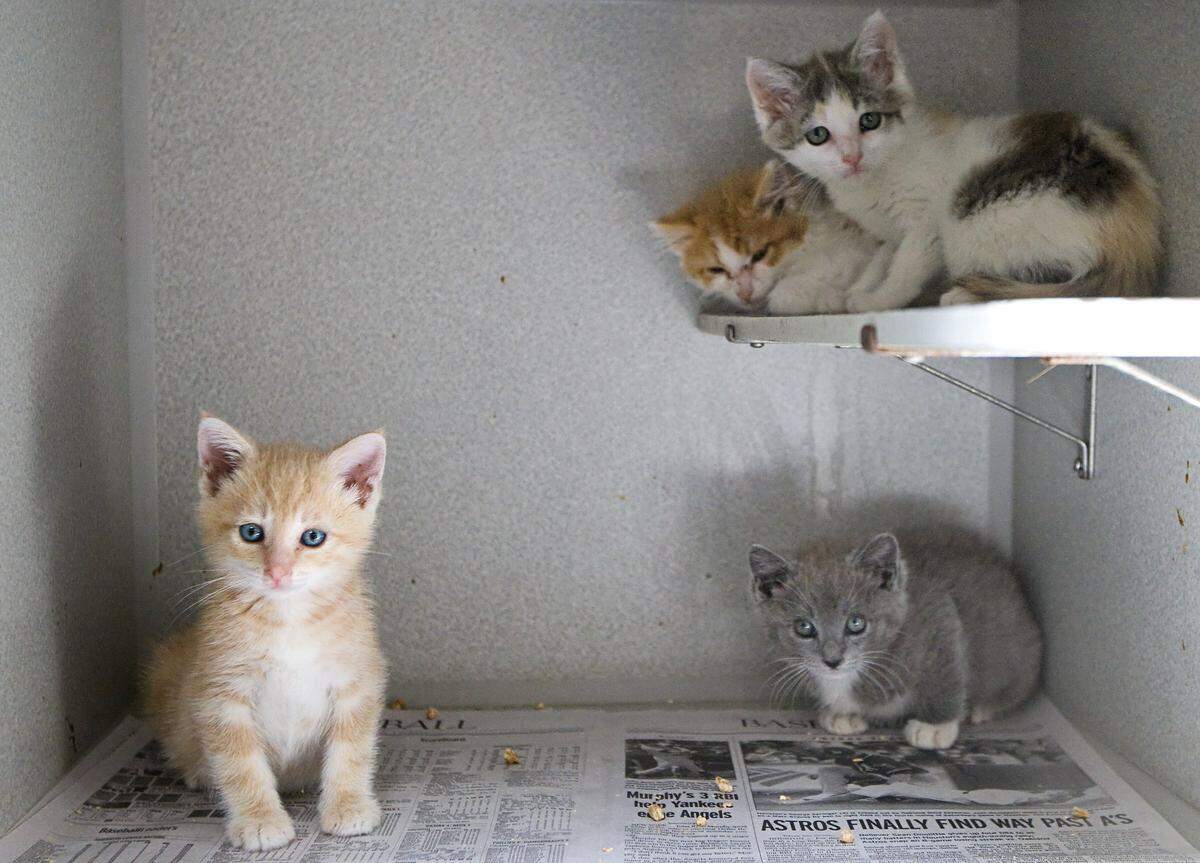
San Luis Obispo County needs a new animal shelter, STAT. That’s never been in dispute.
It’s disappointing, though, that the original estimate roughly doubled over the course of five years.
It was $10 million in 2015, when the Board of Supervisors first agreed that the current, pitiful shelter on Oklahoma Avenue — with its leaky roof, peeling paint and drafty kennels — is too far gone to repair.
By 2017, the estimate had climbed to $14.5 million, and now that the final bids are in, it’s all the way up to $20.3 million.
Some cost increases are inevitable, but 100% over the original estimate is nothing to shrug off — if for no other reason than to figure out if there are ways to avoid similar sticker shocks in the future.
Why so expensive?
In the county’s defense, public works projects almost always go up, no matter where they are — just look at California’s infamous high-speed train.
Closer to home, the new San Luis Obispo County Regional Airport terminal was pegged at $30 million back in 2014 and rose to $35.4 million by 2015. The final price tag was $39.5 million, which was funded primarily through grants.
Especially over the past few years, political and economic factors have added to the cost burden. According to Robert Ruiz, an engineer with county Public Works, those include:
- Tariffs. Across the nation, the cost of public works projects has increased as a result of President Trump’s trade policies. “Foreign lumber, steel, aluminum and copper have been subject to increased cost in recent years,” Ruiz said, though he could not break down how much that contributed to the rise in cost for the animal shelter, versus other factors.
- A nationwide building boom has led to a shortage of skilled labor and materials.
- Labor laws in California have become more stringent. For example, starting next year, 60 percent of skilled workers employed on public works projects must have completed an apprenticeship, or the contractor can face fines. “One bidder went as far as withdrawing from the process due to concerns of added costs due to skilled labor requirements,” Ruiz said via email.
Sharing the pain
Since the animal shelter serves the entire county, the additional financial burden will be shared by each of the seven cities and the county, based on how much each agency uses the shelter.
The city of San Luis Obispo, for example, will now pay $111,028 per year over 25 years, rather than $76,868.
All seven cities have agreed to the higher bills. The county Board of Supervisors will consider awarding a contract on Tuesday to F&H Construction for design and construction of the building. If all goes well, the shelter should be completed by the fall of 2021.
Of course, the board should go ahead with the project — waiting longer would only drive the price higher.
But it’s worth asking some questions.
For one, is there a better way to forecast costs more accurately in the first place and to update them periodically, while keeping the public in the loop throughout the process?
Seriously underestimating the final cost of projects erodes public trust; being more realistic — and transparent — throughout the process would help.
It would also make budgeting less difficult. How are agencies — or in some cases, ratepayers — to know how much money to commit to something if the initial estimate is way out of wack?
Also, could the animal shelter have gone to bid sooner?
After all, we aren’t talking about a highly controversial project like a Los Osos sewer. This in an animal shelter — you’d have to be worse than Scrooge to begrudge such a worthwhile project. Yet it took nearly five years to go from the board’s conceptual approval to the awarding of a contract. If that’s how long it takes to jump through all the permitting hoops, something is very wrong.
Some factors — such as labor laws and tariffs — are beyond local control, but at the very least the county could look at moving projects though the pipeline more quickly.
Again, we strongly encourage the Board of Supervisors to move forward with construction of a new, countywide animal shelter that will be safe, comfortable and attractive. There’s no sense spending any more money on a sorry-looking facility so depressing that some would-be adopters don’t even want to go there.
We also urge the county to use this as an opportunity to improve its process of planning and implementing public works projects.
A $10 million difference between the initial estimate and the final price tag for a relatively small project is too big of a “whoops.” The county can, and should, do better in the future.