
I questioned a dean of California political journalism. It did not go well | Opinion
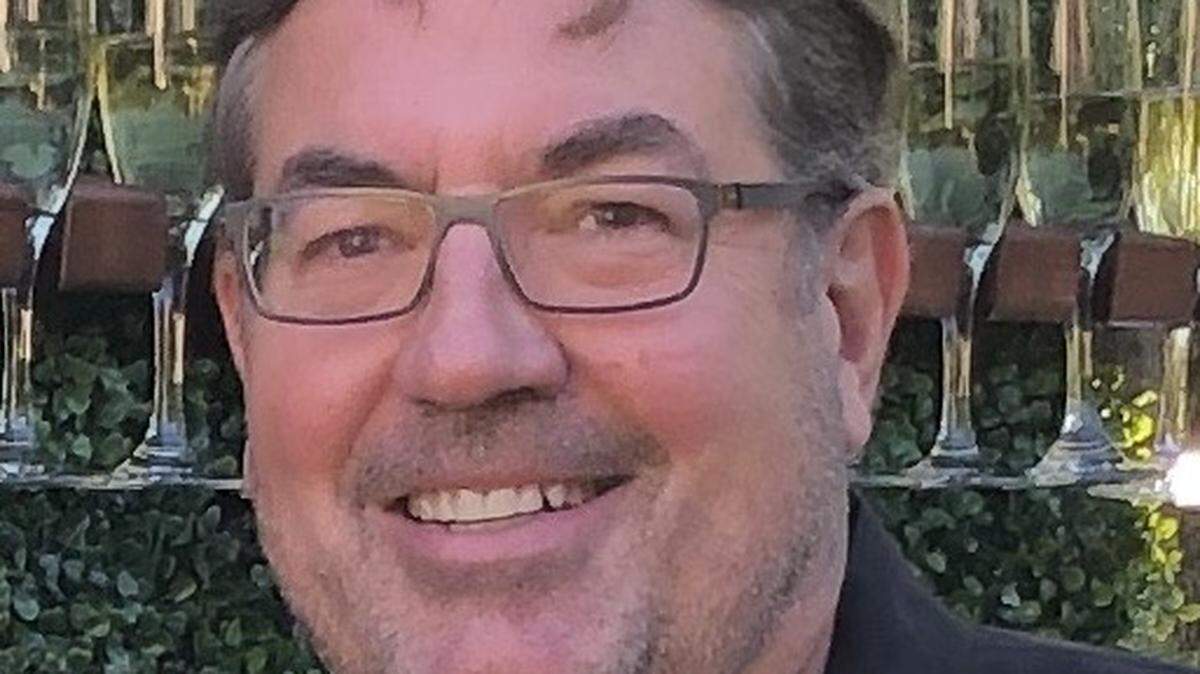
On Monday morning, scrolling through the news over my first mug of coffee, I came across George Skelton’s latest Los Angeles Times column.
The headline was compelling: “My pick for California governor is ... I’m still working on it.”
Skelton, a revered veteran of California political journalism, summarily dismissed Steve Hilton, the candidate currently second in the polls, because Hilton’s evasiveness over the 2020 election result was, in Skelton’s view, disqualifying.
That caught my eye for three reasons.
First, because I had interviewed Hilton only the day before for my “In Search of Sanity” podcast. Second, because I had already researched this blot on Hilton’s copybook. Third, because Skelton’s verdict seemed diametrically opposed to the wishes of the LA Times publisher, who says he wants the paper to be “fair and balanced.”
So I knew Skelton’s dismissal was reductive, a tad disingenuous and a classic example of journalism intended to generate clicks and amplify conflict.
So I sent Skelton a simple question.
“I agree Hilton’s position on 2020 is evasive and uncomfortable. Yet you know it is a fact that Hillary Clinton, Stacey Abrams, Barbara Boxer and Bennie Thompson have all questioned election results they lost. Surely if questioning election integrity disqualifies someone from office, that bar needs to apply consistently to both parties?”
His reply, in full. “You’ve got it wrong on those Dems. And no one has matched Trump’s psychopathic fantasy.”
That was it.
No courtesy to a reader. No facts to prove why I “got it wrong.” No comment on the question of consistency. Just Trump, a clinical diagnosis made by someone with zero clinical training and the unmistakable stench of toxic partisanship.
This is not a column defending Trump. It is not a column endorsing Hilton. Nor am I saying George Skelton is dishonest. Dismissive and unprofessional yes, but not dishonest.
I am saying that one of California’s most experienced journalists was asked a reasonable question about consistency and balance that he dismissed without rhyme or reason and sent the inquisitor to the naughty corner.
That matters because, at a time when algorithms reward outrage and public discourse pushes people into ideological tribes, we need a media that doesn’t tell people what to think. We need one to give them the tools to think harder.
Gallup says Americans’ trust in newspapers, television and radio to report the news fully, accurately and fairly has fallen to 28%. That is the lowest level in the poll’s history. Republican trust is 8%. Independents sit at 27% and Democrats at 51%. In the 1970s, trust hovered around 70%
Thomas Jefferson wrote,“The press is the best instrument for enlightening the mind of man and improving him as a rational, moral and social being.”
He did not anticipate that the instrument would one day choose which minds to enlighten and which to leave in the dark.
The answer is not for journalists to have no opinions. That would be impossible. The answer is simpler.
Apply the same standard to your villains as you do to your saints. Ask straight questions. Let them answer. Let the audience decide.
That sounds almost quaint, like thank you notes written with a fountain pen.
A culture that rewards outrage over understanding does not need more journalists. It needs journalists with no sacred cows and no favorite teams.
George Skelton did not answer my question. I am still waiting.
Clive Pinder hosts In Search of Sanity and writes at substack.com/@insearchofsanity..